
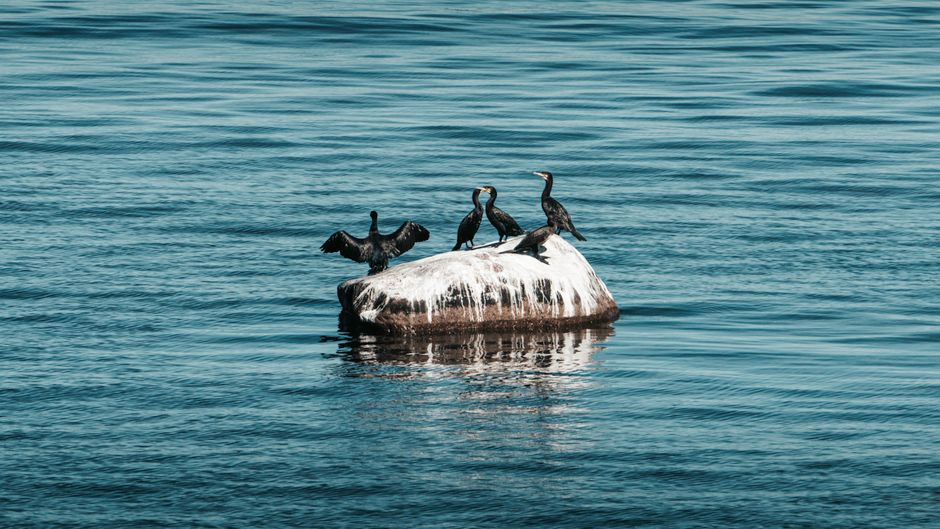
Want a Goa day that feels more like nature’s own slow documentary than a beach sprint? Chorao Island (with the Salim Ali Bird Sanctuary) sits in the Mandovi estuary and draws year-round residents plus seasonal migratory birds.
This guide helps you plan a smooth bird-watching day trip from Panaji: the best route, how ferry timing typically works, how to schedule around tides, and what wildlife you can look for—so you spend less time guessing and more time scanning the mangroves.
Birding Spots on Chorao Island
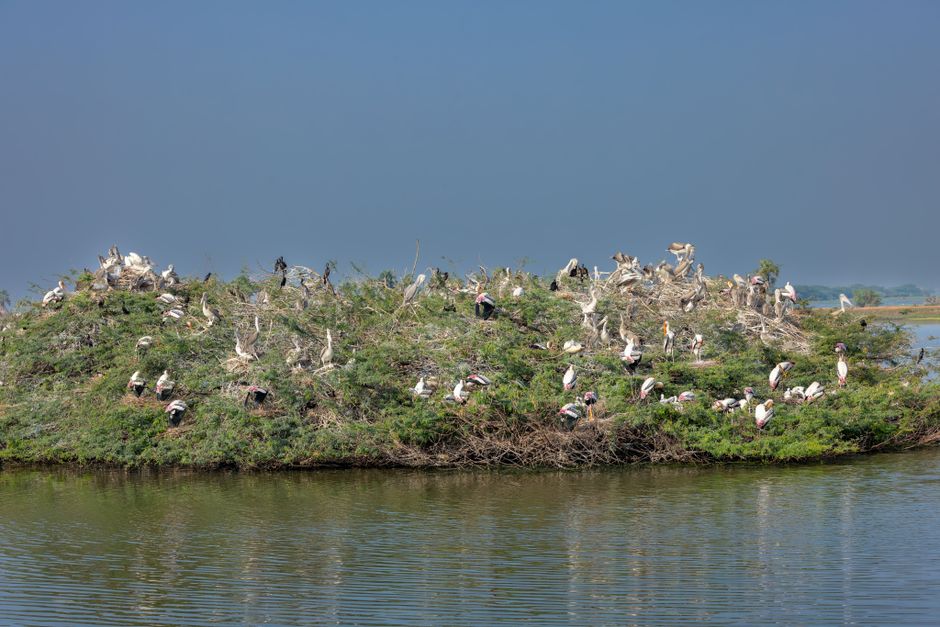
For the best experience, stay calm, keep your distance from wildlife, and let your guide position you where sightlines are clear (mudflats and water edges are often where waders and stilt-like birds show up first).
Location: Chorao Island, Goa
2. Dr. Salim Ali Bird Sanctuary (Core Bird-Watching Zone)
The Salim Ali Bird Sanctuary is the reason most people plan Chorao day trips. It’s well known for sightings of waterbirds—especially during the cooler months when migratory species add extra variety to the resident bird mix.
When you’re inside the sanctuary/approach areas, use a simple scan pattern: start broad (higher activity zones), then slow down along the waterline. Often, the “best” birds are not always the most obvious at first glance—they appear after a few quiet minutes.
Location: Chorao, Goa
Chorao Route & Tide Scheduling From Panaji

3. Ribandar Jetty (Panaji’s Gateway Side)
Ribandar is commonly used as a practical starting side for moving towards Divar/Chorao. If you’re based in Panaji or nearby areas, reaching Ribandar by road is usually the simplest part of the day.
Aim to arrive early enough to account for small delays—because your bird-watching time is your “most valuable clock”. If you can, keep the rest of the day flexible rather than packing a hard deadline.
Location: Ribandar, Goa
4. Divar Island (Transit + Mangrove Landscape)
Divar Island sits in the same Mandovi ecosystem, so even the transit part can offer bird sightings—particularly around edges where shallow water meets vegetation. On a good day, you’ll see waterbirds before you even reach the sanctuary approach points.
Treat Divar as part of the birding: look for herons, egrets, and small waders along quieter stretches. Move slowly and avoid sudden camera flashes or group noise.
Location: Divar Island, Goa
5. Ribandar–Divar Ferry (Public Boat Service)
To build a reliable day trip, it helps to think in “stages”. A typical approach is reaching Ribandar, then using the public ferry across to the Divar side before continuing onwards towards Chorao (often by boat as per the local day-trip arrangement).
Because this is an estuary setting, boat movements can be affected by water levels. For day trips, the best strategy is to confirm the local departure arrangement for your chosen morning and keep a buffer for any short delays.
Location: Mandovi estuary route between Ribandar and Divar, Goa
6. Corjuem (Village Side Near the Chorao Approach)
Corjuem is a key village reference point for many Chorao day trips, especially if your onward movement is guided by the local boat routes that connect Divar-side landing points to Chorao’s approach areas.
If you’re planning with family or a group, Corjuem is a good place to pause and reset before you go deeper into the sanctuary approach—water, sunscreen, and basic gear are easiest to manage here.
Location: Corjuem, Goa
7. Corjuem Jetty (Departure Point Reference)
Corjuem Jetty is used as a practical label for where the onward boat legs may begin, depending on the route arrangement for that day. Even if you’re not “changing ferries” formally, think of it as your hand-off point.
Scheduling tip: don’t treat jetty arrival times as exact. Plan to reach the jetty well before your ideal water-level window so you’re not rushing while birds are at their active best.
Location: Corjuem, Goa
8. Panaji (Base City for a Low-Stress Start)
Starting from Panaji keeps the day trip manageable. From here, you can organise your road transfer to the Ribandar side, then plan the boat stages and the sanctuary visit without crossing half the state.
If you’re timing with tides, you’ll also benefit from having a nearby “return back to Panaji” option—so you can stay focused on the birds rather than worrying about the last pickup.
Location: Panaji, Goa
Route planning (simple, bird-first)
Most practical flow (typical day-trip mindset): Panaji → Ribandar Jetty by road → Ribandar–Divar ferry stage → Corjuem-side approach → Chorao/Salim Ali sanctuary area → return in the reverse direction.
Best route by road: If you’re starting in Panaji, aim for the Ribandar side first. Ribandar is relatively close to Panaji (often around 15–30 minutes depending on traffic), and it keeps your early morning schedule from getting complicated.
What to do when routes change day to day: In estuaries, locals may adjust the onward timing based on water conditions. The “bird-watching success” comes from being on-site and ready, not from rigid minute-by-minute plans.
Scheduling with tides and ferry timing (how to get it right)
Chorao is reached via the Mandovi estuary ecosystem, so water level can influence how comfortable (and sometimes how feasible) the boat legs feel. Exact tide timings vary daily, so treat your planning as a process:
- Check the tide schedule for the Panaji/Mandovi area the night before. Use it to identify your best high-tide window (or the period when the tide is rising, depending on local guidance).
- Aim to start earlier than you think. For bird activity, mornings usually work best for resident waterbirds and for migratory visitors during the season.
- Add a buffer for hand-offs. Even if ferries are frequent, the onward connection to the sanctuary approach may take slightly longer than expected.
- Ask the local desk/boat arrangement point about the day’s water situation. This is the most reliable reality-check—locals know what feels workable at the current water level.
A good rule of thumb for day trips: reach your jetty at least 60–90 minutes before your “ideal” water-level window. That way, if the next leg is delayed, you still have meaningful birding time.
What Wildlife to Look For (Resident + Migratory)
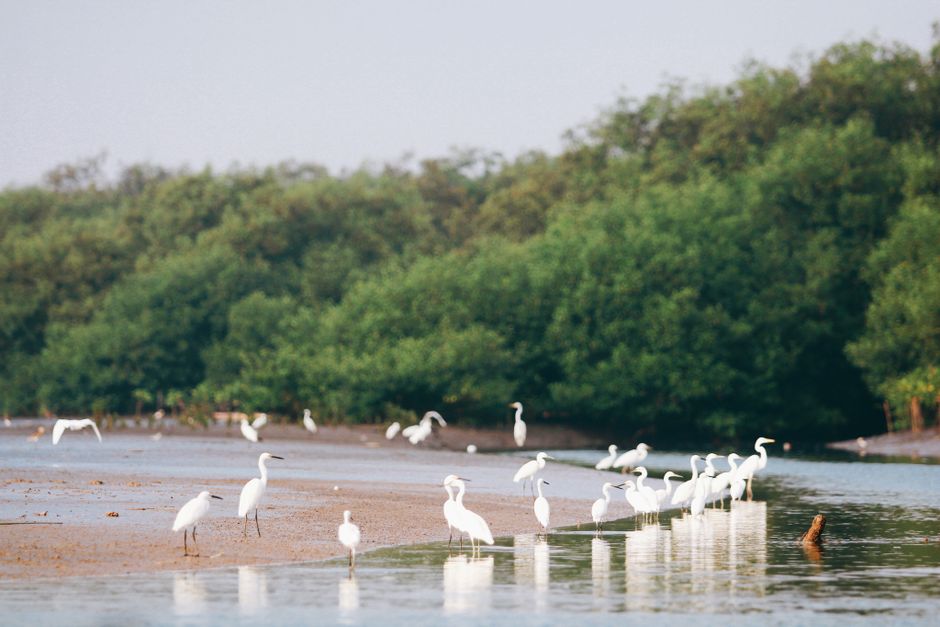
Resident favourites you may see year-round
While exact sightings vary by season and day, Chorao commonly delivers:
- Herons and egrets (patient fishing in shallow water)
- Cormorants and other water-diving birds around channels
- Kingfishers near quieter water edges
- Storks/openbill-type silhouettes (depending on the local mix on the day)
Migratory birds: what to watch for (seasonal)
Migratory birds are most likely during the cooler months. You’re typically scanning for waders and waterfowl that move in with changing temperatures and food availability.
Look for:
- Sandpipers and other small waders moving along mudflats and shallow edges
- Ducks and other wintering waterfowl farther out or in calmer water pockets
- Flying-in waves during the early morning when birds adjust roosting spots
Because migratory activity changes, don’t force yourself to “spot a specific species”. Instead, track patterns: a sudden increase in calls, a line of birds settling in, or a group taking off from a particular waterline.
Other wildlife cues (not just birds)
Even if birds are your main goal, keep an eye on:
- Crab/mudflat activity at the edges (often hints at the food chain birds are following)
- Mangrove insects and occasional surface movements that attract birds higher up in the food web
For best results, binoculars help a lot, but a simple field method works too: choose a quiet edge, scan slowly, and wait for the “second wave” of birds that arrives after the first settles.
Best Time to Visit for Migratory Birds & Easy Ferries
Best months
- October to March: your strongest window for a mix of resident birds plus migratory visitors.
- December to February: often the most productive for wintering species and overall bird activity.
- April to June: generally quieter for migratory variety, and the heat can make early starts feel tougher.
- Monsoon (roughly July to September): there can still be wildlife, but rain and water conditions can affect comfort and visibility.
Best time of day
Early morning is usually the most productive. Birds are active, light helps with scanning, and the day’s heat doesn’t push you into a “late-afternoon slump”. If you can manage a very early start, you’ll typically get more calm time on the water.
Practical tips that improve your sightings
- Wear neutral colours (helps you blend with the natural setting)
- Carry a light rain cover even in drier months (Goa weather can shift)
- Bring insect repellent (water edges can mean more biting insects)
- Use a single scanning style (start wide, then narrow along the waterline)
Frequently Asked Questions
How long does a Chorao Island bird-watching day trip from Panaji take?
Plan for roughly a half-day to full-day depending on the boat hand-offs and how early you start. Building in buffer time around the ferry/jetty stages helps.
Which months have the best migratory birds at Chorao?
The stronger window is generally from October to March, with December to February often giving the most noticeable wintering activity.
Do I need a guide to birdwatch at Chorao/Salim Ali Bird Sanctuary?
Most visitors go with local assistance for the best access and navigation around the sanctuary approach areas.
Do tides matter for Chorao boat routes?
Yes—because you’re working in the Mandovi estuary. Checking tide conditions the night before and confirming the day’s workable water window locally is the safest approach.
What time should we start for the best bird sightings?
Early morning is usually best. It improves your chances of active feeding and also makes scanning easier before the heat builds.
What should I carry for a Chorao birding trip?
Binoculars (if you have them), a hat/sunscreen, water, insect repellent, and a light rain cover are the practical essentials.