
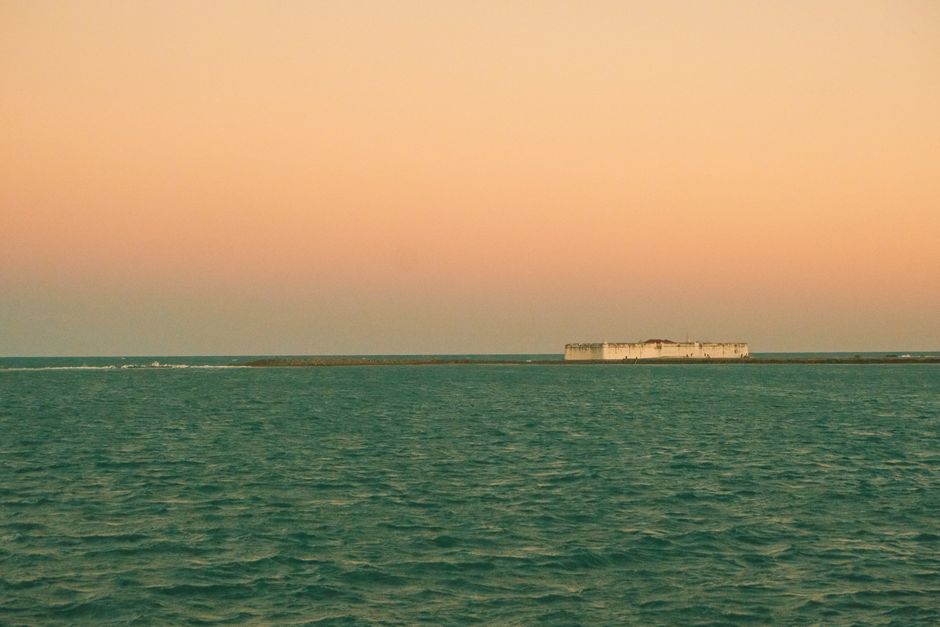
Goa’s Fort Tiracol looks like it’s always waiting for the next tide—because the easiest access is by road first, and then a short ferry crossing over the Tiracol River.
This guide walks you through the practical bits you actually need: the most reliable route from North Goa, how the road + ferry options work, when you should plan to use the ferry (daylight-first, weather-dependent), and what to book for a smooth one-day visit.
Best Route From North Goa (One-Day Flow)
- Start in North Goa early (Panaji/Mapusa/Calangute belt). Aim to reach the Tiracol side by late morning.
- Follow local signs to Tiracol / Fort Tiracol / ferry point (the final stretch is the confusing part, not the main highway).
- Cross by ferry to the fort side, usually on foot after a short walk.
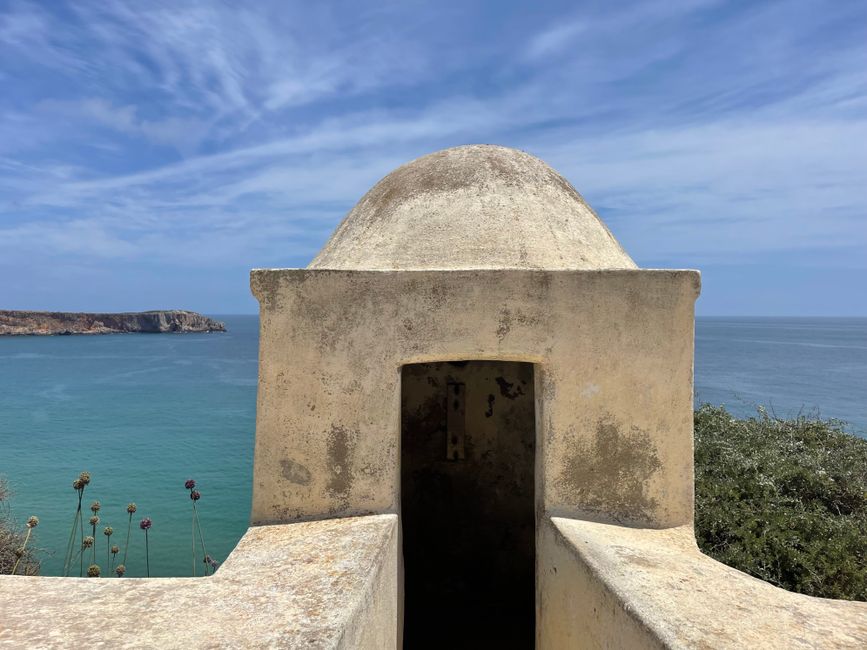
- Explore the fort and viewpoint (keep time for photos—wind picks up near the river).
- Return the same way. Try not to linger so long that you miss the last comfortable crossing back.
How long it takes (realistic planning)
From most North Goa starting points, plan for ~2.5–4 hours total travel time each way including the ferry crossing, plus 2–3 hours on-site. So, a one-day visit works best if you leave in the morning and keep the return before late evening.
Road Access: Getting Close to Fort Tiracol
From Panaji (typical road approach)
- Drive north on the main highway towards Mapusa and further up the Pernem side.
- Once you’re in the Pernem / Arambol direction, switch to local guidance: keep following signs for Tiracol / Fort Tiracol / ferry.
This route is the easiest to manage because you’re mostly on well-used roads until you near the Tiracol side.
From Arambol / Pernem area (shorter last-mile)
If you’re already staying around Arambol, Mandrem, Querim, or Pernem, you’ll still do a road approach to reach the ferry area—just with a much shorter drive.
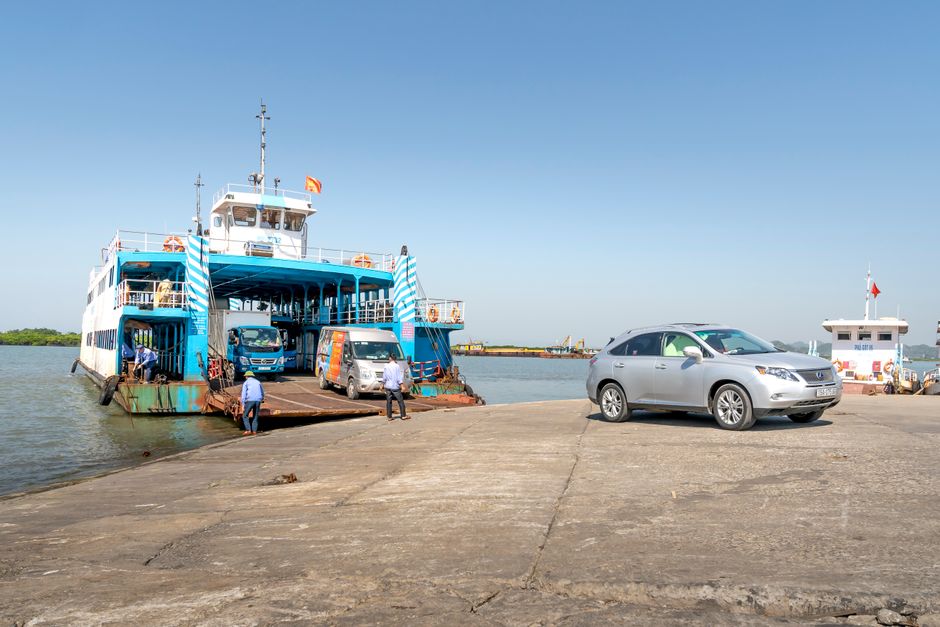
What matters most here is the last 2–3 km: there’s a lot of vehicle movement + foot traffic, and the approach road is not always straightforward if you’re using only maps. Build buffer time.
What to carry for the road leg
- Cash for any small local fees (where applicable).
- A light layer (river winds can feel colder even when the rest of Goa is warm).
- Comfortable sandals/shoes for walking near the fort and ferry area.
- Water—there can be gaps between proper drink stops.
Ferry Crossing: When It Runs And How To Time It
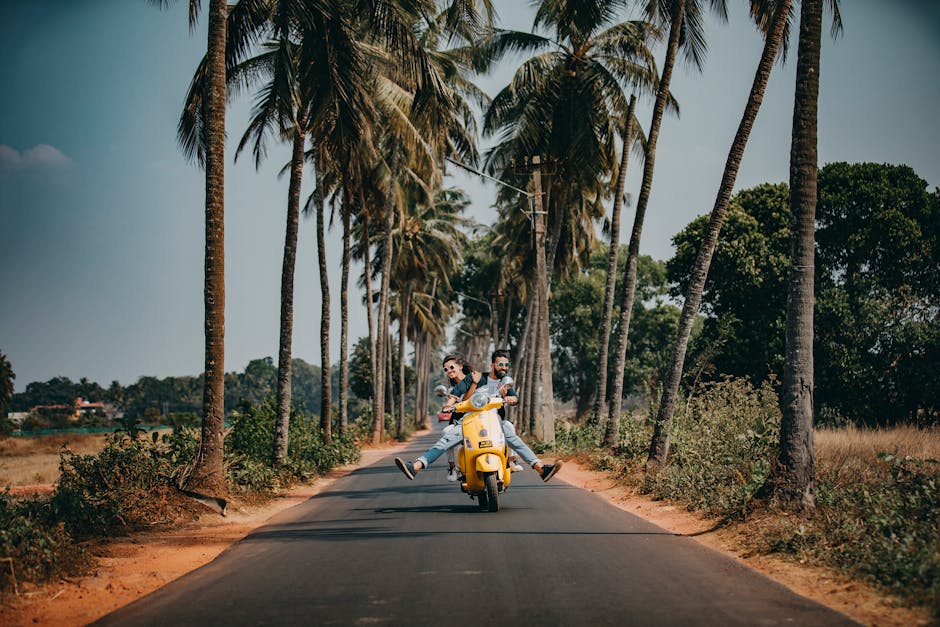
When the ferry runs (the practical rule)
Instead of relying on fixed clock times (which can change), use this safer rule:
- Plan to use the ferry during daylight hours.
- Monsoon and heavy weather can disrupt or reduce services.
- If the river is rough, operations may pause for safety.
So, for a smooth one-day visit, your best bet is to cross mid-morning to early afternoon, not late in the day.
How to know you’re at the right crossing point
Once you reach the Tiracol / ferry area, look for:
- Local signage and crowd flow towards the ferry landing.
- People walking with small bags to board the crossing.
Ask at the last nearby shop/stop for the current crossing point—the right instruction can save a lot of time at the final approach.
Booking the ferry vs booking a full day
Most people don’t “book the ferry” like a flight; crossings can be managed locally and can vary by conditions.
For a one-day visit without stress, consider booking a door-to-fort day plan that includes the ferry crossing window and timings. If you prefer a structured option, Viator is handy for finding day tours that explicitly cover Fort Tiracol access.
If you also want hassle-free pickup and drop (especially from Panaji/Calangute side), GetTransfer can simplify the road leg so you don’t spend time hunting the approach route.
The smoothest ferry-timing strategy
- Leave early enough to arrive before late afternoon.
- Build in buffer for waiting (ferry crossings can have queues).
- Keep return flexible: if conditions look borderline, be ready to adjust your departure time from the fort.
What To Book For a Smooth One-Day Visit (And Best Timing)
Fort Tiracol is perfect for a short trip, but only if you handle the two uncertainty points: road last-mile navigation and ferry conditions.
What to book (practical checklist)
- Your transportation for the road leg
- If you’re not renting a car, book pickup + drop from your North Goa base.
- Keep your schedule morning-first to avoid last-minute delays.
- A guided plan (optional, but great for first-timers)
- Choose a day plan that mentions Fort Tiracol and ensures you’re timed around daylight ferry operations.
- This is where Viator can reduce the “what time does the ferry actually run?” stress.
- Tickets/fees only on arrival (where applicable)
- For local fees at the fort/ferry area, plan for payment at the point of entry rather than expecting online booking.
Best months (so the ferry run doesn’t get messy)
For the most reliable day-trip conditions:
- October to March are typically the most comfortable months for visiting North Goa and using outdoor viewpoints.
- Monsoon season (roughly June to September) is when river conditions can affect crossings more often.
A suggested one-day itinerary (simple and realistic)
- Morning: depart from Panaji/Mapusa or your North Goa stay.
- Late morning: arrive at the Tiracol ferry side and get into the queue.
- Midday: ferry across, walk to the fort, explore the viewpoint areas.
- Afternoon: start your return early enough to comfortably make the ferry crossing back.
Photo + comfort tips that make the trip easier
- Wind management: bring a light layer; the fort viewpoint can feel sharper than the beaches.
- Footwear: expect a bit of uneven ground around the river-side approach.
- Timing for photos: head inside early, then come back to the viewpoint when the light looks best.
Frequently Asked Questions
What’s the fastest way to reach Fort Tiracol from Goa?
Drive from North Goa to the Tiracol ferry side, then cross the Tiracol River by ferry and walk to the fort.
Do I need to book the ferry in advance?
Usually, ferry crossings are managed locally and can vary by conditions, so it’s safer to plan for daylight and check locally when you arrive.
When is the best time of day to do the ferry crossing?
Aim for mid-morning to early afternoon so you have buffer time and daylight for a comfortable return.
Can I reach Fort Tiracol by road only (without the ferry)?
The fort is primarily approached via the road-to-ferry route; skipping the ferry isn’t the practical main option.
What happens during monsoon when river conditions change?
Ferry operations can be paused or reduced for safety, so plan your trip for drier months and keep extra time for delays.
Is Fort Tiracol good for a one-day trip?
Yes—leave early, plan your ferry crossing for daylight, and keep the return ahead of late evening.