

Goa Monsoon Magic: Divar Island Boat Cruises With Real Backwater Views.
If you’re searching for a monsoon boat cruise near Divar Island in Goa—and want to know how to book without getting stuck with the wrong kind of boat, route, or timing—this guide is for you.
We’ll cover the best monsoon routes around the Divar–Chorao backwaters, when to plan your cruise for calmer conditions, what to pack for rain and wind, and a practical checklist to choose a credible operator.
Best Monsoon Routes Around Divar–Chorao Backwaters

A typical monsoon-focused loop is built around these anchor points—starting from the Ribandar side (Panaji belt), moving towards Divar, then extending in the direction of Chorao backwaters where you’ll see more wetland character.
1. Divar Island (Village-to-Backwaters Stop)
Divar Island is the name you’ll hear when you ask for boat rides from the Panaji/Ribandar side. In the monsoon, the channels look darker and richer, and you get that “rural Goa” feel—tree cover, small landing points, and slower water patterns than the main river.
If your cruise route includes time along Divar’s shoreline or nearby creeks, you’re in the right zone for monsoon visuals: green banks, occasional fishermen activity, and plenty of opportunities to take photos between showers.
Location: Divar Island, Goa
2. Ribandar (Starting Point Side)
Ribandar is the common gateway for getting onto the water near Panaji. In practical terms, this is where you’ll typically find the quicker access to ferries/boat departures towards Divar and the backwater stretch.
When rain is heavy, being based on the Ribandar side can help you shorten transfer time from Panaji. That matters because monsoon conditions can change fast, and you want flexibility on departure time.
Location: Ribandar, Goa
3. Chorao Island (Mangrove-Forward Backwater Views)
Chorao Island is where the cruise experience usually becomes distinctly “backwater-like”. The water can feel calmer than the broader Mandovi stretch, and the surrounding vegetation turns lush in the monsoon months.
For monsoon cruising, Chorao is a strong target if your goal is scenic drift and wildlife sightings. Even when it rains, the contrast—dark clouds above, wet greenery below—often makes for very atmospheric views.
Location: Chorao Island, Goa
4. Dr. Salim Ali Bird Sanctuary (Wetland Wildlife Focus)
If you want a cruise that feels more than just scenic, look for routes that take you near the Dr. Salim Ali Bird Sanctuary zone on Chorao. The sanctuary is known for birdlife, and monsoon changes bird activity patterns—some species move closer to sheltered habitat.
A credible operator will explain what you’re likely to see (and what they won’t guarantee). In monsoon, this is especially important—weather affects visibility, and your best sightings often come after brief gaps in rainfall.
Location: Chorao, Goa
5. Corjuem (Quiet Mandovi Edge)
Corjuem is a useful monsoon cruising stop because it sits along the Mandovi’s broader rhythm while still feeling more local and less crowded than the main tourist belts. In the wet season, the banks look greener, and the water tone is often dramatic under changing skies.
If your operator offers a route with a Corjuem-style Mandovi edge segment, it can balance the trip: you get backwater calm alongside a wider-river perspective.
Location: Corjuem, Goa
6. Divar Ferry Route (Practical Alternative to “Cruise-Only” Tours)
In monsoon, many travellers still prefer the Divar Ferry option because it’s straightforward: you get to Divar without needing a full packaged cruise itinerary. That’s handy when you’re facing sudden showers or limited daylight.
For booking-minded travellers, this is also a useful backup plan. If the “tour cruise” timings clash with weather, a ferry-based day lets you adjust on the go and still chase backwater views.
Location: Ribandar–Divar, Goa
Best Time & When to Go for a Divar Boat Cruise
Best windows:
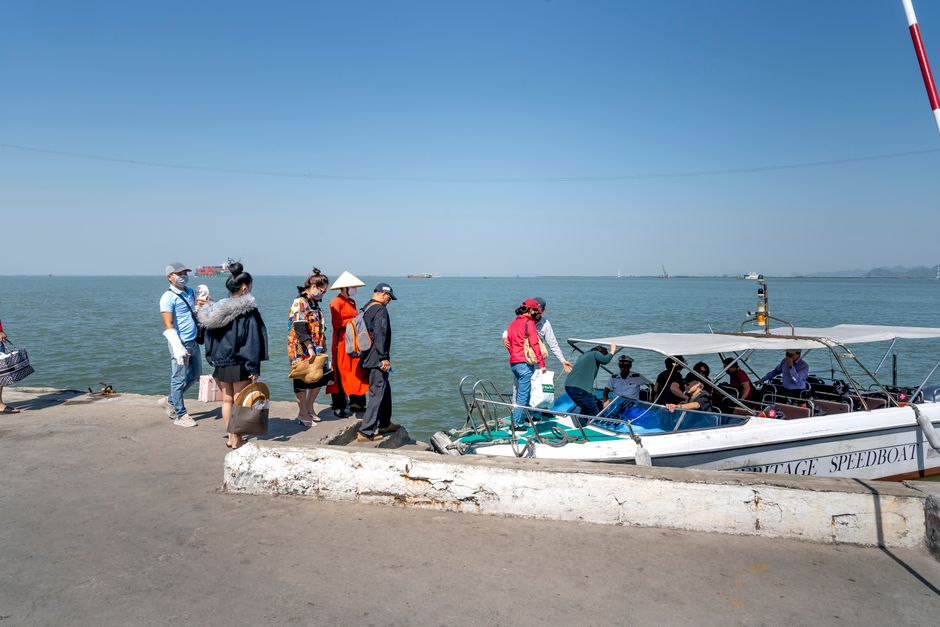
- Late morning to early afternoon (after the first heavy burst): If rain is intermittent, you often get the best mix of visibility and fewer wind gusts.
- Avoid the peak of thunderstorms: If lightning is visible or the sky is actively worsening, skip the water.
How monsoon affects the ride:
- Water can be darker and sometimes choppier, especially when winds pick up.
- Routes may shorten if visibility drops or if conditions aren’t safe for deeper backwater sections.
- The “best views” often come in breaks between showers—so a flexible departure time beats a rigid schedule.
How to Book a Credible Monsoon Operator (And Avoid Headaches)
1) Ask for the route, not just the word “Divar/Chorao”
A credible operator will clearly describe what the cruise actually covers (for example: Divar shoreline time, then Chorao backwater drift, then return via the Ribandar side). If the listing is vague, ask follow-up questions before you commit.
Good signs:
- Mentions specific areas (Divar/Chorao/Corjuem-style route logic).
- Explains what you’ll see during monsoon (wetland greenery, bird/quiet channels, fewer “open sea” minutes).
2) Confirm boat type and safety basics
In monsoon, boat stability and safety gear are not optional.
Before booking, confirm:
- Life jackets available for every passenger.
- Rain protection (covered seating or clear plan for how crew handles sudden downpours).
- Crew experience on river/backwater conditions, not just general tourism.
- Weather decision policy: will the operator delay/adjust if conditions worsen?
3) Choose smaller boats carefully
Smaller boats can mean better access into narrower stretches, but monsoon conditions can also feel more intense. The “best” boat is the one that matches the day’s weather—ask how they decide route length in rain.
4) Check for transparent timing and meeting point
A common failure point is a vague meeting location or a too-tight schedule in a season where traffic and weather can change quickly.
Try to get:
- An exact meeting point (near Ribandar/Divar departure side, not “near Panaji”).
- Departure time and approximate return time.
- Confirmation of whether a short delay is expected if rain hits.
5) Use trusted listing platforms when you need structure
If you want set timings and clearer cancellation terms, you can look at Viator and Klook for Divar/Chorao-style backwater experiences—then still cross-check safety and route details directly with the operator.
6) Book with a “weather-first” mindset
Monsoon cruising can’t be treated like a guaranteed fixed-schedule activity. The best approach is to book with room to adjust: aim for a day where you’re not rushing to catch a flight or an inter-state connection immediately after.
What to Pack for Goa Monsoon Boating
Packing for Divar monsoon cruises is mostly about keeping essentials dry and preventing slips. Goa monsoon can bring sudden downpours even when the morning looks fine.
Rain & comfort essentials:
- Water-resistant bag (or dry sacks) for phones, wallets, and cameras.
- Quick-dry poncho or rain jacket with a hood.
- Non-slip footwear (sandals with grip are better than bare flip-flops).
- Light towel and extra socks if you’re sensitive to getting wet.
Health & practical extras:
- Mosquito repellent (wet season increases bite risk).
- Basic medicines (motion discomfort, allergies, etc.).
- Drinking water (bring small bottles you can finish without constantly opening your bag).
Photography tips for monsoon light:
- Expect diffuse, low-contrast light due to clouds.
- If you’re shooting through rain on windows/edges, keep a small microfiber cloth handy.
- Use your phone/camera settings conservatively—avoid overexposure when lightning reflects on water.
Safety reminder:
If lightning starts, or the wind noticeably worsens, choose the operator’s guidance to pause/return. Monsoon is not the season to “push through”.
Frequently Asked Questions
Is a Divar Island boat cruise safe during Goa monsoon?
It can be safe if you choose a licensed operator, wear life jackets, and follow the crew’s route decision during worsening weather (especially lightning and strong wind).
What time of day is best for a Divar–Chorao cruise in monsoon?
Late morning or early afternoon often works best when rainfall is intermittent. Avoid the peak of thunderstorms.
What should I pack for a monsoon boat ride near Divar?
A water-resistant bag, poncho/rain jacket, non-slip footwear, mosquito repellent, and a small towel or extra socks.
How do I book a monsoon boat cruise near Divar Island?
Start by asking the operator for the exact route (Divar/Chorao/Corjuem-style areas), safety gear (life jackets), meeting point, and weather policy. Listing platforms can help with structure, but confirm details with the operator.
Will the cruise route change in heavy rain?
Often, yes. Weather and visibility can shorten or reroute parts of the trip to keep it safe.
Can I do Divar in monsoon without a cruise?
Yes—travellers often use the Ribandar–Divar ferry route as a flexible option when cruise timing doesn’t match the weather.