

Want dramatic waterfalls without losing the “Goa holiday” vibe? Dudhsagar Falls is one of the best day trips from North Goa, and the route is half the fun: a Konkan Railway ride followed by jeep-and-walk access.
Below, we’ve laid out the step-by-step way to visit Dudhsagar Falls using train and jeep, where to start from in North Goa (Panaji-side), how to choose between Kulem and Castle Rock, and the practical tips travellers actually need—footwear, ID/permits, and closure checks.
Train Route to Dudhsagar (North Goa → Kulem/Castle Rock)
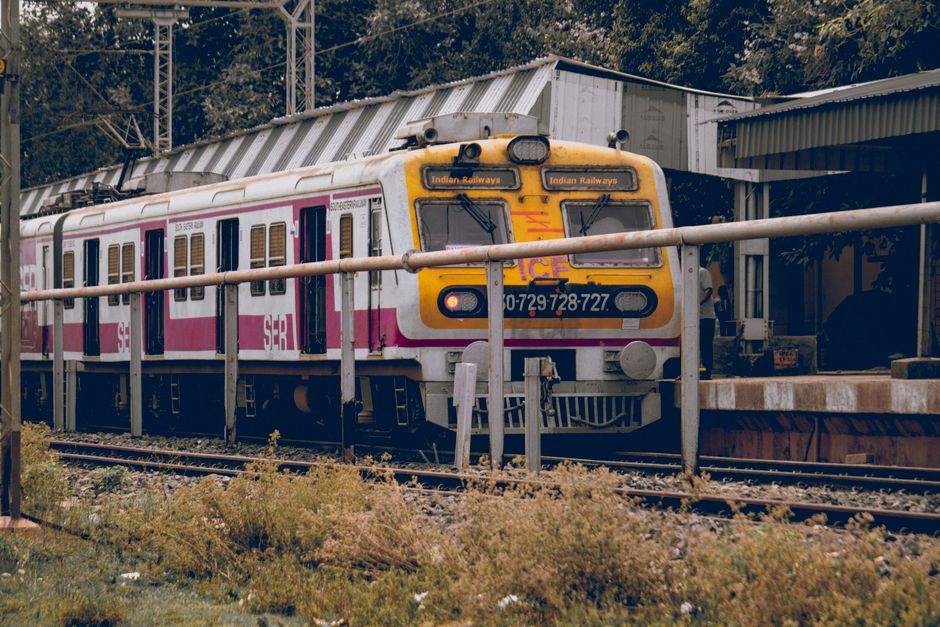
The simplest pattern is: reach a North Goa railway station, take a train towards the Dudhsagar side (most commonly via Kulem or Castle Rock area stops), then finish with a jeep to the forest entrance and short access walk to the falls.
Because the waterfall access can change with weather and operational decisions, treat “train stop” as part of your flexibility. Your goal is to be in the right station area, early enough to catch the first jeep departures and daylight for the walk-in.
1. Panaji (Panjim) (North Goa Base)
Panaji is the practical starting point if you’re staying in the North—especially around Fontainhas, Miramar, or the Panaji waterfront. From here, you’ll usually head towards the nearest railway line (Karmali or Thivim) by taxi or bus, then continue by train.
If you want a smooth day trip, plan to leave early morning so you’re not rushing after the train and so you still have buffer time for the jeep queue.
Location: Panaji, Goa
2. Kadamba Bus Stand, Panaji (Bus Start)
If you’re using public transport to reach the railway, the Kadamba Bus Stand is often the easiest place to begin—because it connects you to regional routes that can get you to the rail stations without complicated transfers.
For Dudhsagar day trips, you’ll still need to coordinate the next step (train timing to Kulem/Castle Rock). The bus helps when you’re not ready to wait for ride-hailing on a tight schedule.
Location: Panaji, Goa
3. Karmali Railway Station (North Goa Rail Option)
Karmali is a common North Goa rail access point for travellers starting from Panaji and nearby areas. It’s typically easier than reaching far south before your train ride begins.
From Karmali, choose trains that take you in the direction of the Konkan Railway corridor stops nearer to the Dudhsagar access side. When you book, prioritise trains that connect cleanly and arrive early.
Location: Karmali, Goa
4. Thivim Railway Station (North Goa Rail Option)
Thivim is another North Goa railway station many travellers use when planning Dudhsagar. It’s a good pick if your stay is around Mapusa, Porvorim, or along the northern belt.
For the falls day trip, the same rule applies: don’t only check “destination station”; also check how early you arrive at the Kulem/Castle Rock side so you can reach the jeep stage in time.
Location: Thivim, Goa
5. Madgaon Junction (Main Rail Hub)
If you find limited direct options from Karmali/Thivim, Madgaon Junction is the rail hub where you can often make better connections. Even if you don’t plan to sleep there, it helps to use it as a “switch station” in your route planning.
A practical approach: get to Madgaon early, then choose your onward train towards the Dudhsagar access region, keeping an eye on the time you’ll need for the jeep and walk.
Location: Madgaon, Goa
6. Kulem Railway Station (Most Common Jeep Start)
Kulem is frequently used as the railway side from where travellers begin the jeep phase for Dudhsagar. If your train stop aligns here, it usually makes the next leg straightforward.
Once you arrive, look for the jeep/taxi point used by other passengers heading to Dudhsagar and the forest access area. The key is to plan for daylight and mud-ready footwear, because the approach can be slippery after rain.
Location: Kulem, Goa
7. Castle Rock Railway Station (Alternate Jeep Start)
Castle Rock can work as an alternate rail-side stop depending on your train route. Some travellers prefer it because certain connections line up better.
Use the same “early arrival” strategy: you want to reach the jeep stage quickly, not at the last-minute when queues grow or access is limited.
Location: Castle Rock, Goa
Jeep & Walking Access (Sanctuary Side)

After your train lands you in the right station area, the experience becomes more “Goa countryside” than “city travel”. Jeeps take you closer to the forest access point, and then there’s typically a walk component depending on the exact operational day.
Go with a mindset of: jeep for distance, walk for the final stretch. And always keep one rule in mind: if the forest entrance or local operations aren’t allowing visitor movement, you’ll need to wait, reroute, or reschedule.
8. Bhagwan Mahavir Wildlife Sanctuary (Permit/Entry Zone)
Dudhsagar Falls access is connected to the protected area network in and around Bhagwan Mahavir Wildlife Sanctuary. Even if the jeep stage looks casual, treat the sanctuary boundary seriously.
Carry ID (a photo ID is the usual expectation for many protected-area entries), and be ready for an entry/permit check if it’s required that day. During heavy monsoon or disruptive weather, access can be restricted—so build flexibility.
Location: Bhagwan Mahavir Wildlife Sanctuary, Goa
9. Mollem Village (Popular Approach Point)
Mollem is commonly referenced as part of the approach side for Dudhsagar visitors, because it sits in the broader sanctuary region used for entry and travel logistics.
When you’re coordinating your jeep, ask locals/jeep staff specifically whether the route is open to the falls access point and whether any walking is required. This one question saves a lot of time and prevents last-minute disappointment.
Location: Mollem, Goa
10. Dudhsagar Falls (Waterfalls Viewpoint)
The main payoff, of course, is Dudhsagar Falls itself—wide, dramatic, and especially stunning during the wetter months when the cascade looks fuller.
Plan your timing so you’re at the viewpoint in daylight (for photos and safer footing). If the approach area looks muddy or crowded, move slowly and keep your footing sure; the best views come from arriving prepared, not from rushing.
Location: Dudhsagar Falls, Goa
Best Route & Timing Tips (What to know before you go)

Here’s a clean, step-by-step “best route” plan you can adapt based on where your train options land.
Step-by-step route (train + jeep)
- Start from North Goa (Panaji area): aim for an early departure so you reach the rail station by morning.
- Reach Karmali or Thivim (either by local transport or pre-planned cab). If your rail connections are easier, route via Madgaon Junction.
- Take the train towards the Dudhsagar-side area, choosing Kulem (often easiest) or Castle Rock (when your train schedule matches better).
- Change to jeep/taxi immediately after arrival: align with other passengers going to Dudhsagar and ask whether the forest access/walking stretch is open.
- Follow the on-ground route to the falls viewpoint: keep your pace steady, protect your phone/camera, and allow time for the final walk-in.
If you like planning with less uncertainty for the first leg (hotel to station and back), GetTransfer can be useful for pre-booking a car for your Panaji-side start.
Best time of day to leave
For most visitors, the sweet spot is early morning. It gives you:
- more choice in jeeps after your train lands,
- enough daylight for the walk-in,
- fewer “end-of-day” limitations if services slow down.
Best months (and when to avoid disappointment)
Dudhsagar looks best when water flow is strong, which usually means the monsoon to post-monsoon season. That said, monsoon weather also brings heavier rain, slippery paths, and occasional operational slowdowns.
So the balanced travel window is when:
- waterfalls are full, but
- the day’s rain risk isn’t extreme enough to stop access entirely.
If you’re travelling in heavy-rain months, build in a reschedule option (even a day) if the sanctuary side restricts movement.
Footwear and what to carry
This is the part that makes or breaks your day at Dudhsagar.
- Shoes: wear grip footwear (water-resistant trainers or hiking sandals with support). The approach can be muddy.
- Backup essentials: a small plastic zip bag for your phone and wallet.
- Clothes: quick-dry clothing. Even if you don’t get directly wet, mist is common near waterfalls.
- Power: keep a power bank if you’re relying on phone photos.
Permits, ID, and closures (practical reality)
Because Dudhsagar access involves protected land zones, conditions can change. Before you commit fully to the day trip:
- Confirm access at the sanctuary/entry point when you arrive (Mollem-side/jeep staff can often guide you).
- Carry a photo ID for entry checks.
- If heavy rain has recently hit, expect possible delays or restrictions.
A good rule: plan the day trip, but don’t treat it as guaranteed. Dudhsagar is worth the effort, but it’s also a waterfall system affected by weather.
Frequently Asked Questions
What is the best way to visit Dudhsagar Falls from North Goa?
Take a train from a North Goa station (often Karmali or Thivim, or via Madgaon), get down at the Kulem/Castle Rock side, then use a jeep for the forest approach and a short walk to the falls.
Should I get off at Kulem or Castle Rock for Dudhsagar?
Choose based on your train schedule. Kulem is often the smoother choice for many travellers, while Castle Rock works well when connections align better.
Do I need a permit to visit Dudhsagar Falls?
Access is linked with Bhagwan Mahavir Wildlife Sanctuary, so you may be asked for entry/permit formalities at the sanctuary/check area. Carry a photo ID.
What footwear should I wear for Dudhsagar?
Wear grip footwear suitable for muddy, wet paths (water-resistant trainers or supportive hiking sandals). Carry a zip bag for electronics.
When is the best time to visit Dudhsagar Falls?
The falls look most dramatic during the monsoon to post-monsoon season. However, check access conditions on the day because heavy rain can affect operations.
Is Dudhsagar safe to visit during rainy weather?
It can be safe if access is open, but keep your pace slow on slippery ground and follow local instructions at the entry points.