
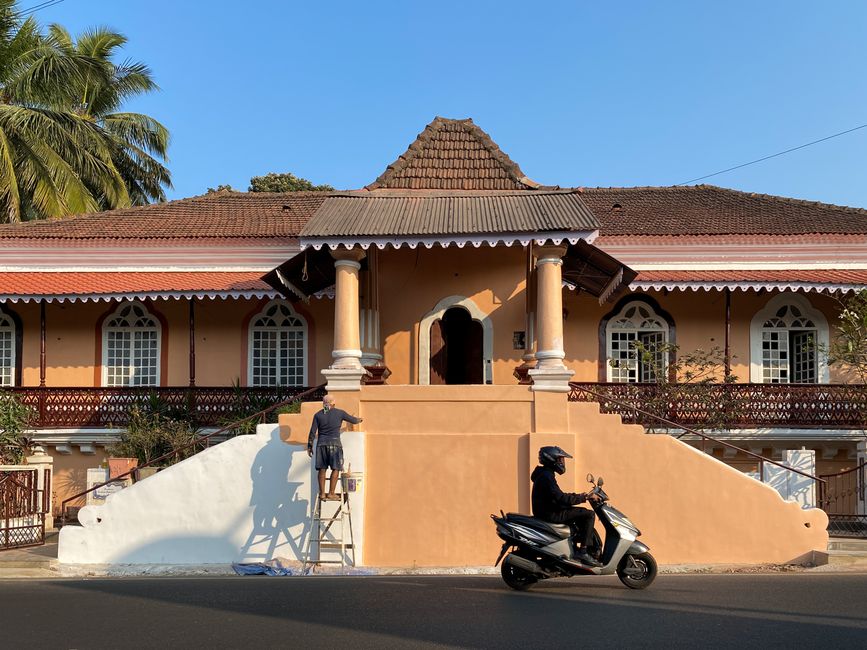
Goa isn’t only about beaches—its inland temple circuit is a whole world of calm, devotion, and culture. If you’re planning to visit Shri Manguesh Temple, this guide helps you time your darshan well, travel smartly from nearby towns, and stay comfortable while following local etiquette.
We’ll cover how to reach (including route planning from common starting points), what to expect for darshan timing (and when it’s busiest), the dos and don’ts inside the temple areas, and a few surrounding sights you can combine for a complete half-day or full-day outing in Goa’s Ponda belt.
1) How To Reach Shri Manguesh Temple (Route Planning from Nearby Towns)

Shri Manguesh Temple is in Goa’s interior, in the Ponda side of the state. The easiest way to go is by road, either via taxi/private cab or by combining local transport with a short final ride.
From Panaji (North Goa)
If you’re starting from Panaji, plan on a drive of roughly an hour (traffic can stretch this). The most practical approach is to head south-west towards the Ponda area and continue by road towards Priol.
Tip: leave a little buffer if you’re visiting on a festival day, because road traffic near temple precincts can build quickly.
From Margao / Madgaon (South/Central Goa)
Coming from Margao or Madgaon, you’ll typically need a longer road drive than from Panaji. In most cases, a direct taxi/private cab is the simplest, especially if you’re pairing the temple with other nearby sights.
If you prefer public transport, look for buses heading towards Ponda/nearby interior towns, then take a short local ride to the temple area.
From Vasco da Gama (Goa airport side)
If you’re landing at Goa International Airport (Dabolim), you’re best off treating this as an inland road trip. The route is straightforward: airport → towards the main roads leading inland → continue toward Ponda/temple area.
By Train
The nearest major railway hub for most travellers is often Madgaon. From there, road transport to the Ponda side is common, and it’s usually easier to arrange a taxi for the last stretch.
What we recommend for stress-free planning:
- Choose a start time that lets you reach before the busiest morning rush.
- Keep a small power backup (battery/phone) for maps and timings.
- If you’re visiting with elders or children, avoid squeezing too many stops—temple visits are best when you allow time for slow darshan queue movement.
1. Shri Manguesh Temple (Temple & Darshan)
A revered Hindu temple dedicated to Lord Manguesh, Shri Manguesh Temple is known for its spiritual atmosphere and the significance of its local traditions. Visiting isn’t just about “seeing”—it’s about participating respectfully in the darshan process.
The temple complex is active, especially on auspicious days. Dress and behave in a way that keeps the focus on worship and makes it easy for everyone in the queue.
Notable Attraction: Lord Manguesh darshan at Goa’s Ponda temple circuit.
Top Facilities:
- Designated areas for queue management during darshan
- Basic facilities for visitors within the precinct zone
- Clear entry flow from nearby access points
- Flower and pooja-material access close to the temple area
Nearest Restaurants: - The Farmer’s Market Cafe
- Café Royale (Ponda)
Location: Priol, Ponda, Goa
Timings: Morning and evening darshan; exact hours can vary by day and festival schedule.
2) Darshan Timing & When to Visit (So You Catch the Calm)

Temple timing can feel a little “fluid” compared to timed attractions—so plan around the temple’s daily rhythms and any special festival days.
Typical darshan windows (what to plan for)
Most visitors aim for two broad windows:
- Morning: Many travellers prefer the earlier slot because the environment feels calmer and you’re less rushed.
- Evening: Evening darshan is also popular and can be especially meaningful during specific occasions.
Because exact timings can shift on festive days, we recommend checking the day-of schedule locally (at your accommodation desk or with trusted local sources near the temple) rather than relying only on generic listings.
Best time of day for a smoother visit
- If you want a quieter experience: go early in the morning.
- If you want a more devotional atmosphere: evening visits can be richer in energy.
Best season to plan a Goa temple day
For Goa temple visits, October to March is generally the most comfortable time overall, because the weather is more pleasant than the peak summer heat. Monsoon can be beautiful, but heavy rain sometimes affects road conditions and your comfort while travelling.
Festival days: what changes
On festival days, expect:
- longer queues
- more footfall in the surrounding access areas
- higher chances of traffic slowdowns near the temple precinct
What we recommend: If you’re visiting during a festival, keep your plan simple—temple first, then nearby sights later if you still feel comfortable after darshan.
3) Darshan Etiquette & Nearby Sights to Combine (A Full, Respectful Day Plan)
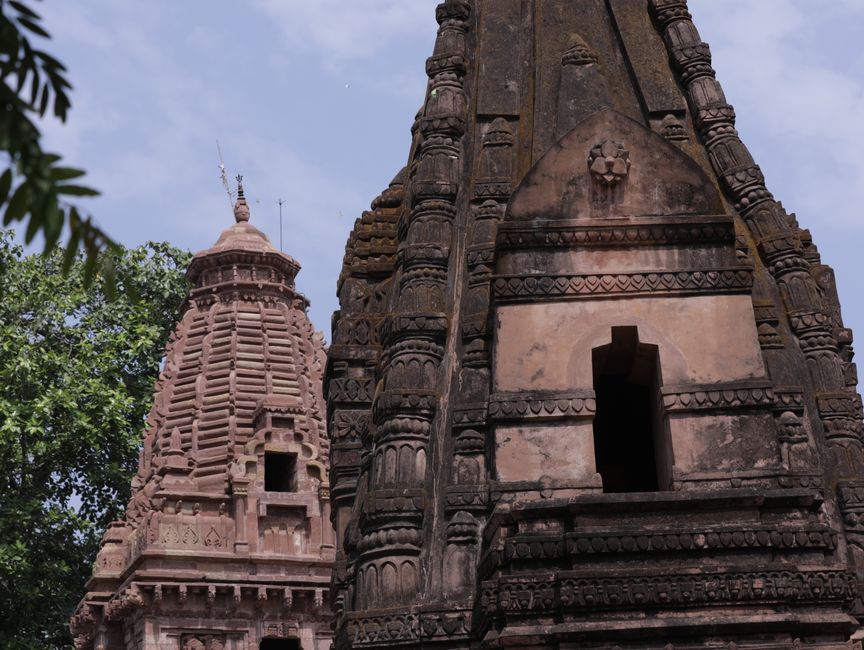
Temple etiquette is part of the experience in Goa. The best visits are the ones where you stay mindful of the flow of devotees and keep distractions low.
Darshan etiquette: what to do
- Dress modestly: Wear clothing that covers shoulders and knees. Avoid very short or beachwear styles.
- Maintain queue discipline: Follow staff/volunteers’ guidance and don’t jump the line.
- Keep your phone on silent: Photos and videos may be restricted in certain areas—if you’re unsure, keep your camera away until you’re explicitly sure.
- Offer carefully: If you bring flowers or pooja items, handle them calmly and place them only where it’s allowed.
- Move slowly in crowded zones: If the queue compresses, pause rather than pushing forward.
Darshan etiquette: what to avoid
- Avoid loud conversations inside temple areas.
- Don’t point or gesture aggressively towards the sanctum or priests.
- Avoid crossing barriers around worship zones.
- Don’t consume food in the main temple areas.
Practical tips that help during a Goa temple visit
- Footwear: Wear footwear you can remove easily if you’re directed to do so at entry zones.
- Hydration: Carry water (but consume outside primary worship areas).
- Time buffers: Temple queues can expand; arriving early makes everything smoother.
- Leave valuables secured: Keep bags close and avoid unnecessary valuables in crowded spots.
What to combine nearby (Ponda & interior Goa sights)
If you want your Shri Manguesh Temple visit to feel like a full day rather than a quick stop, the Ponda region is ideal for pairing. Here are some well-known attractions you can slot in based on your energy level:
- Shri Shantadurga Temple (Kavalem): Another major Goan temple experience in the Ponda circuit. Great for travellers who enjoy learning how different deities and traditions are practised across Goa.
- Tambdi Surla Mahadev Temple: A more nature-linked temple setting—ideal if you want a quieter, scenic pairing (time it well so you’re not rushed).
- Dudhsagar Waterfalls: If weather and road conditions are cooperative, this is a popular add-on after darshan. It’s not a “temple-only day,” but it balances the spiritual morning with a nature highlight.
- Local village markets/streets (around Ponda): Use downtime to grab a snack or simple meal and observe everyday Goan life inland.
A simple day-route idea (works for many visitors):
- Morning: Shri Manguesh Temple darshan
- Midday: lunch around Ponda area
- Afternoon: one nearby sight (pick either a temple like Shantadurga/Tambdi Surla, or nature like Dudhsagar depending on time)
- Evening: return without overloading the schedule
Frequently Asked Questions
What is the best time to visit Shri Manguesh Temple for darshan?
Most travellers prefer early morning for a calmer queue. Evening darshan is also popular, but it can be busier.
What should I wear for Shri Manguesh Temple?
Dress modestly—shoulders and knees covered. Avoid beachwear and very casual outfits.
Are photography and videos allowed inside the temple?
Rules can vary by area and day. If you’re unsure, keep your phone silent and follow signs or staff guidance.
How can I reach Shri Manguesh Temple from Panaji or Margao?
Plan a road trip towards the Ponda/ Priol side of Goa. Taxis/private cabs make the route easiest, especially if you’re combining other nearby sights.
What etiquette should I follow in the darshan queue?
Keep to the line, move calmly when the queue advances, speak softly, and offer items only where it’s permitted.
Can I combine the temple visit with other places in Ponda?
Yes—Shantadurga Temple (Kavalem) and Tambdi Surla Mahadev Temple are common add-ons, and Dudhsagar Waterfalls can work if you have extra time.