
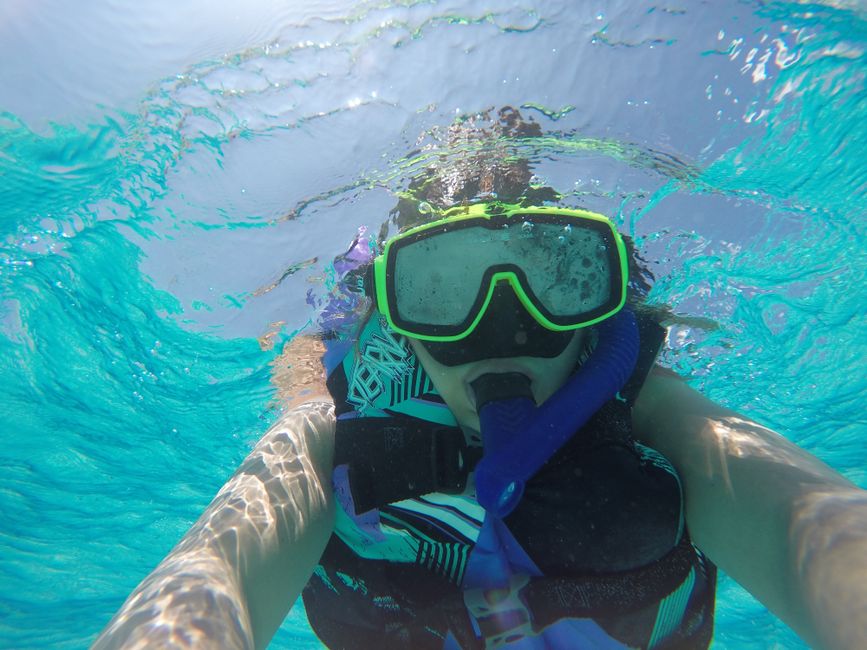
Goa’s coastline has that “one more try” pull—especially when you’re heading out to Grand (Grande) Island for open-water snorkelling. This guide covers how the day trips are usually run, what gear you can expect, what sea conditions to watch for, and the most reliable departure windows from nearby South Goa bases.
You’ll also get a practical list of common pickup beaches you can start from (and why early departures matter). Use it to plan your timing, ask the right questions at the counter, and avoid the choppier windows that can make snorkelling feel like hard work.
How to Book Grand Island Snorkelling Tours (and What’s Included)
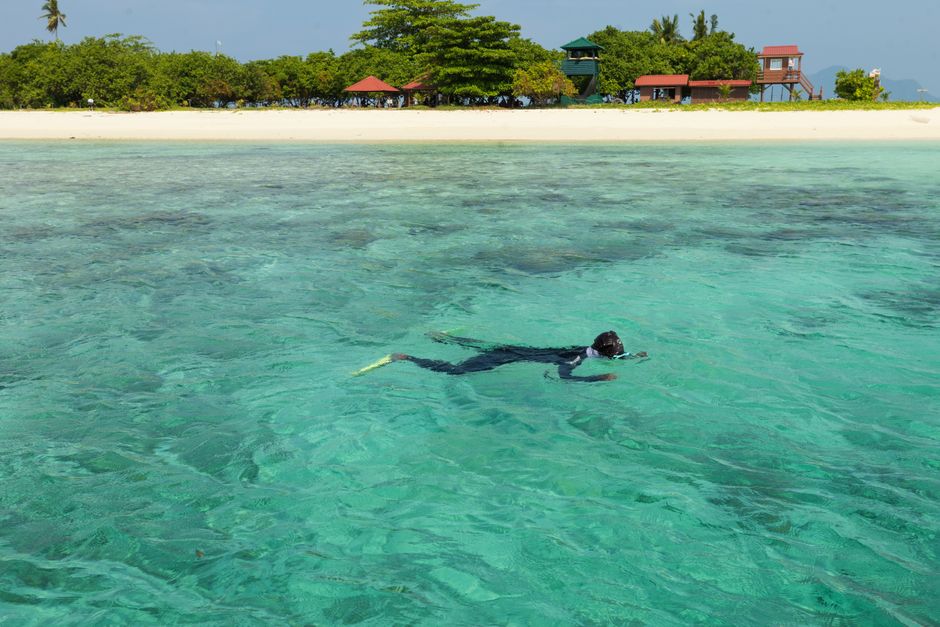
1) Choose the right tour format
Most Grand Island snorkelling experiences in South Goa come in one of these formats:
- Shared day trip (most common): A speed boat and group snorkelling session with a set pickup time from the beach.
- Private/limited-group boat (if available through your operator): More control over pacing and sometimes better comfort if the sea is slightly rough.
- Combo tours: Some packages combine snorkelling with nearby stops (for example, additional beach/snorkel points) depending on the day’s conditions.
When you’re asking about the itinerary, focus on these specifics:
- How long you’re on the island (or snorkel windows).
- Whether the route includes the “caves”/rocky sections (this can be weather-dependent).
- Return time so you’re not stuck in windier, rougher water at the end of the day.
2) What gear is usually provided (and what to bring)
For Grand Island snorkelling, operators typically provide:
- Snorkel mask (basic medical fit usually; ask if you can try before boarding)
- Snorkel + fins (in many packages)
- Life jacket/PFD (generally standard)
A few helpful add-ons you may want to bring yourself:
- Your own prescription glasses/contacts plan if you need it (the mask fit matters).
- Water-friendly footwear if you’re sensitive about rocks/steps on/off the boat.
- A small, sealed dry bag for phone, cash, and eyewear.
- Sunscreen that won’t sting (and a rash guard if you burn easily).
If you’re prone to seasickness, ask your operator about buffer time (e.g., whether the boat run is longer than usual on that route). Even with calm mornings, wind can build—so plan accordingly.
3) How to confirm the sea-safety setup
Before you hand over money, ask quick questions that experienced operators will answer confidently:
- Is there a briefing on snorkelling depth and hand signals?
- Do they control the group size for the water time?
- Do they specify what happens if conditions worsen (for example, a modified route or shortened water time).
- Do you get a clear start time from your pickup base (and where exactly to meet)?
For booking, many people organise through hotel desks or the beach-side water sports counters. If you prefer to compare schedules before you arrive, you can also cross-check options on Viator (useful for seeing different departure times and inclusions).
4) What “good day” visibility feels like
Visibility can vary day to day. A “snorkel-friendly” day usually means:
- The boat run feels smooth, with less side-to-side rolling.
- Light is decent (not just overcast—still, bright mornings often help).
- You’re not constantly battling waves at the surface.
If the water looks choppy from the beach, assume snorkelling will be more effort once you’re in open water.
Best South Goa Departure Bases for Grand Island Snorkelling Day Trips
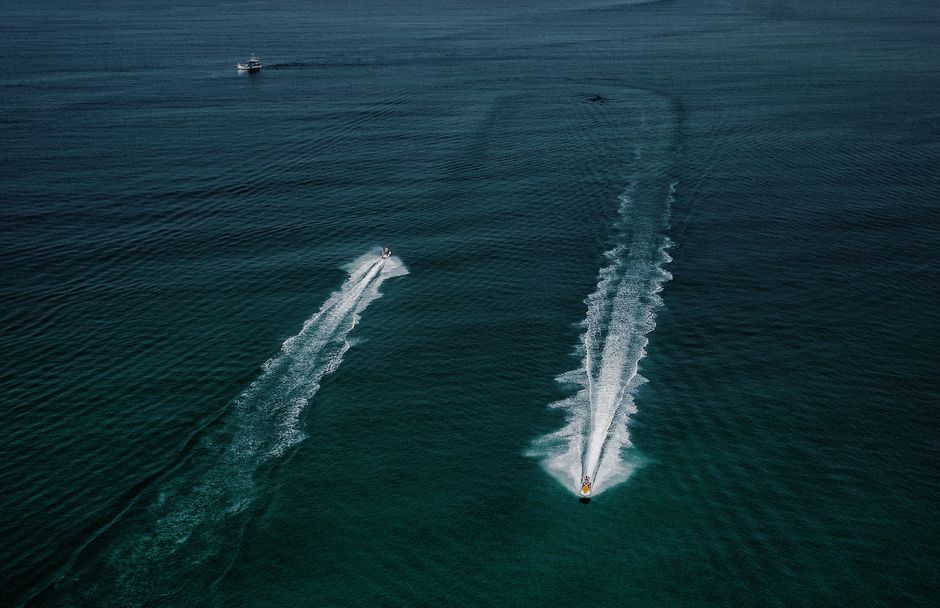
1. Cavelossim Beach (South Goa Pickup)
Cavelossim is one of the more common starting zones for South Goa water sports, especially for travellers staying along the main resort stretch. Many operators can coordinate pickups here because hotels and beach access are relatively easy.
Expect your day-trip schedule to feel “morning-led”: boats generally aim to be out before wind and chop build later in the day. When you book, confirm whether your pickup is directly on the sand/jetty-side or a short walk from the main road.
Location: Cavelossim, Goa
2. Betul Ferry Point (For Easier Access)
Betul is widely used as a practical water-sports access point. If you’re staying nearby, this base can reduce transfer time and make it easier to arrive a bit early for a proper briefing.
Because the boat route and timing depend on daily sea state, Betul-based departures can be more flexible with “early versus very early” options. Ask for the departure window and whether the operator will shift timing if conditions change.
Location: Betul, Goa
3. Mobor Beach (Near Varca Strip)
Mobor is a popular resort-and-beach strip in South Goa, and it’s often used as a pickup zone for tours that head towards offshore islands. If you’re based near Mobor/Varca, it’s typically convenient for early departures.
For snorkelling days, convenience translates into calm logistics: less time travelling before the boat run helps you settle better and stay ready for the water time. Confirm the exact meeting point (the beach section matters).
Location: Mobor, Goa
4. Colva Beach (Main Beach Base)
Colva is a big draw for holidaymakers, so it’s no surprise it’s used as a meeting base for various South Goa activities. For Grand Island snorkelling, operators may still choose Colva if your accommodation is nearby and the morning route suits the day.
When you’re booking, ask whether the pickup is from the main Colva beach stretch or a specific point closer to boat access. This helps avoid last-minute searching if the organiser is running multiple groups.
Location: Colva, Goa
5. Benaulim Beach (Good for South Coast Stays)
Benaulim sits along a calmer stretch of the South Goa coast, making it a sensible base if you’re staying slightly quieter than the busiest resort zones. If your operator serves Benaulim pickup, it can be a comfortable option for early-morning starts.
Because snorkelling schedules can shift with wind, the key is to ask how early you need to be ready (not just the departure time). A few extra minutes onshore before boarding can make the difference between smooth and rushed.
Location: Benaulim, Goa
6. Majorda Beach (Resort-Friendly Pickup)
Majorda is known for straightforward beach access and plenty of nearby stays. That makes it a convenient pickup point for day trips, including water sports that head out early.
If you’re snorkelling for the first time, Majorda-based departures can feel easier because the morning start is predictable. Still, confirm the handover point—some operators use a specific stretch of beach for smooth boarding.
Location: Majorda, Goa
7. Sernabatim Beach (South Goa Coast Option)
Sernabatim is another South Goa beach strip where tours may coordinate pickups, especially for travellers lodging along this coastline. If your hotel is near Sernabatim, it can reduce the need to travel far before your boat run.
Ask if the operator provides a clear time window for arrival at pickup (for example, “reach by X to X”) and whether you’ll get snorkelling gear on arrival or just before boarding.
Location: Sernabatim, Goa
8. Utorda Beach (Quick Start When You’re Staying Nearby)
Utorda is a comfortable base for South Goa holidays, and it’s sometimes used as a pickup coordination point for day trips heading offshore. If you’re staying near Utorda, it can help you keep the morning routine simple.
Because snorkelling quality depends heavily on the day’s surface conditions, the best strategy is to book for an early departure and stay flexible with plans if the operator advises a route change.
Location: Utorda, Goa
Best Time and Sea Conditions for Snorkelling Grand Island
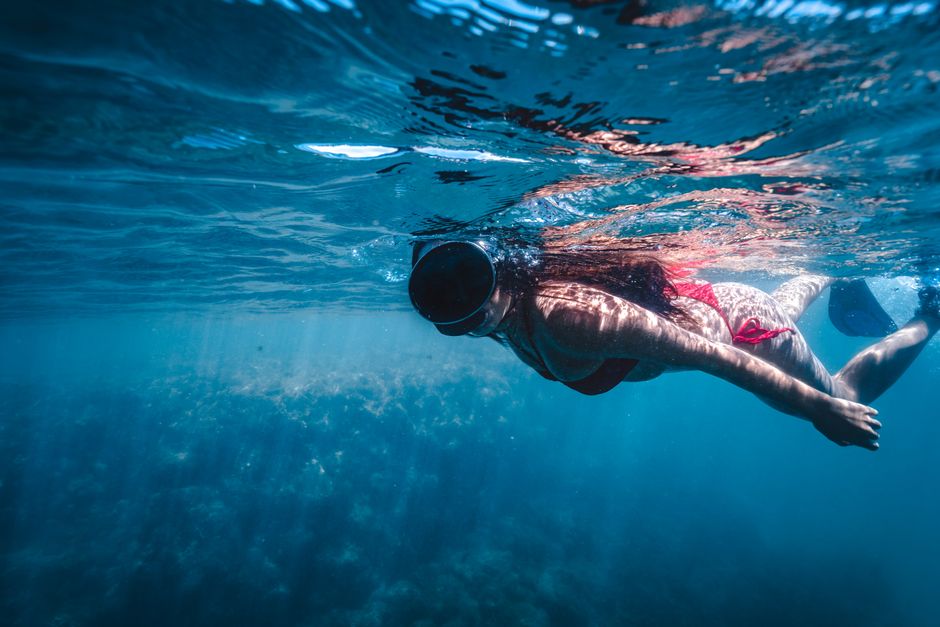
1) Best months to go (practical Goa seasonal guidance)
In general, the most comfortable snorkelling conditions in Goa are during the post-monsoon to winter months—typically October to March. Water is more likely to be steady, and mornings often feel smoother.
Outside that window:
- April to May can still work, but mornings may be sunnier and hotter; sea state can vary with wind.
- June to September often bring rougher conditions due to the monsoon season, which can affect visibility and boat schedules.
Exact conditions can still vary by day, so treat seasonal timing as a guide—not a guarantee.
2) The sea conditions to watch before you go
If you can, check conditions from the departure base the same morning. Watch for:
- Wind direction (cross-winds increase side-to-side boat rolling).
- Small wave patterns (if waves are breaking more frequently, snorkelling becomes harder at the surface).
- Boat comfort signs: if you’re seeing other speed boats taking off later or cautiously, assume your run may also be adjusted.
A simple rule: if the ocean already looks “spiky” from the beach, snorkelling may still happen—but you’ll likely feel it more while entering and exiting the water.
3) Most reliable departure windows from South Goa bases
For Grand Island snorkelling, the most reliable departures usually happen early morning to take advantage of calmer surface conditions.
Look for schedules that fit roughly within these windows:
- Early morning departures (around 8:00–9:30 am): Often the safest bet for smoother water.
- If you’re offered a “very early” slot: it’s usually a sign the operator expects the sea to build later.
- Avoid late-day departures if possible; wind tends to build, and the return leg can feel rougher.
When you’re booking, confirm:
- Your exact pickup time and meeting point.
- Whether the operator sets a fixed return time or adjusts it based on conditions.
4) How long you’ll be in the water (and what to do if you’re new)
First-timers often underestimate how quickly tiredness sets in once you’re swimming with fins. A good operator keeps the pace manageable and adjusts when the group is new to snorkelling.
If you’re nervous:
- Do a calm breathing routine before entering.
- Stay near the boat when you’re getting comfortable.
- Tell the guide if you need shorter water time.
The best Grand Island days aren’t just about “seeing fish”—they’re about being comfortable enough to enjoy the underwater views.
5) Quick checklist for booking confirmation
Use this checklist the next time you’re arranging the tour:
- Where exactly is the pickup point? (be specific about the beach section)
- What gear is included? mask/snorkel/fins/life jacket
- Is there a briefing and guide support in the water?
- How do they handle rough conditions? route change or reschedule
- What time do you need to be ready? not just the departure
Frequently Asked Questions
How do I book Grand Island snorkelling from South Goa?
Most people book through their hotel desk or a beach-side water sports counter at South Goa. Check inclusions (gear, life jacket, pickup base) and the exact meeting point before you pay.
What snorkelling gear is usually provided for Grand Island?
Many tours provide a snorkel mask, snorkel, fins, and a life jacket. If you have your own mask or water shoes, you can bring them for comfort.
What’s the best time of day to go snorkelling at Grand Island?
Early morning departures are usually the most reliable, commonly around 8:00–9:30 am, because wind and chop often build later.
Which months are best for Grand Island snorkelling in Goa?
Generally, October to March offer the most consistent conditions. Monsoon months (roughly June to September) can affect sea state and visibility.
Do I need to be an expert swimmer to snorkel Grand Island?
Most tours are designed for travellers who can float comfortably and follow the guide. If you’re a beginner, choose a tour with good briefing and keep your water time manageable.
What sea conditions should make me delay or choose a different slot?
If the water looks choppy from the departure base, with frequent breaking waves and strong wind, snorkelling will likely be harder and less comfortable—ask the operator about route changes or alternate timing.