
Looking for the best time to visit Goa? The right month depends on what you want most—quiet swims, festival energy, or rainy-season drama with fewer crowds.
This guide covers Goa’s peak season and monsoon, the big cultural dates (like Carnival and Shigmo), and how pricing typically shifts month by month—then it points you to 12 go-to beaches, forts and waterfall views that fit each part of the calendar.
Best Beaches in North Goa (Dry-Season Favourites)
1. Calangute Beach (Main Beach)
Calangute is one of North Goa’s best “winter sun” picks, with plenty of action and a wide stretch for walking. In peak months, you’ll find more beach shacks and easier swimming conditions than in the rainy season.
It’s also a good anchoring point if you like your holiday to feel lively but still beach-centred.
Location: Calangute, North Goa
2. Baga Beach (Beach + Energy)
Baga often feels like the liveliest side of North Goa during the cooler months. Expect more dining options, water-sports buzz (when sea conditions allow) and a stronger party vibe.
If you’re sensitive to crowds, consider visiting slightly outside the highest season while still benefiting from the drier weather.
Location: Baga, North Goa
3. Candolim Beach (Chiller North)
Candolim sits close to Calangute and typically works well if you want North Goa with a slightly calmer rhythm. In the dry season, mornings are great for a slow beach walk, while afternoons suit lazy shacks.
During monsoon, expect reduced comfort for swimming days and plan for flexible indoor time.
Location: Candolim, North Goa
4. Anjuna Beach (Sunset Atmosphere)
Anjuna is known for its laid-back beach culture, and winter is when it’s easiest to enjoy long sunset sessions without weather interruptions.
It also suits travellers who like a bit of culture and markets nearby, without giving up on the beach being the main event.
Location: Anjuna, North Goa
5. Vagator Beach (View-Heavy Coast)
Vagator’s dramatic shoreline looks fantastic in the cooler months, especially when the sky stays clearer. It’s a solid choice if you like scenic views and don’t mind walking a little more for quieter corners.
When heavy monsoon rains hit, you’ll likely spend more time on nearby cafés and viewpoints.
Location: Vagator, North Goa
6. Chapora Fort (Sunset Views)
Chapora Fort is one of North Goa’s most dependable viewpoints. The best time to climb and linger is in the drier season—when visibility is better and paths are less slippery.
In the wet months, go only if conditions are safe and you can manage slick footing; otherwise, winter is the safer bet.
Location: Chapora, North Goa
Best Beaches & Waterfalls in South Goa (Where Rain Changes the Mood)
7. Palolem Beach (Beach Day Classic)
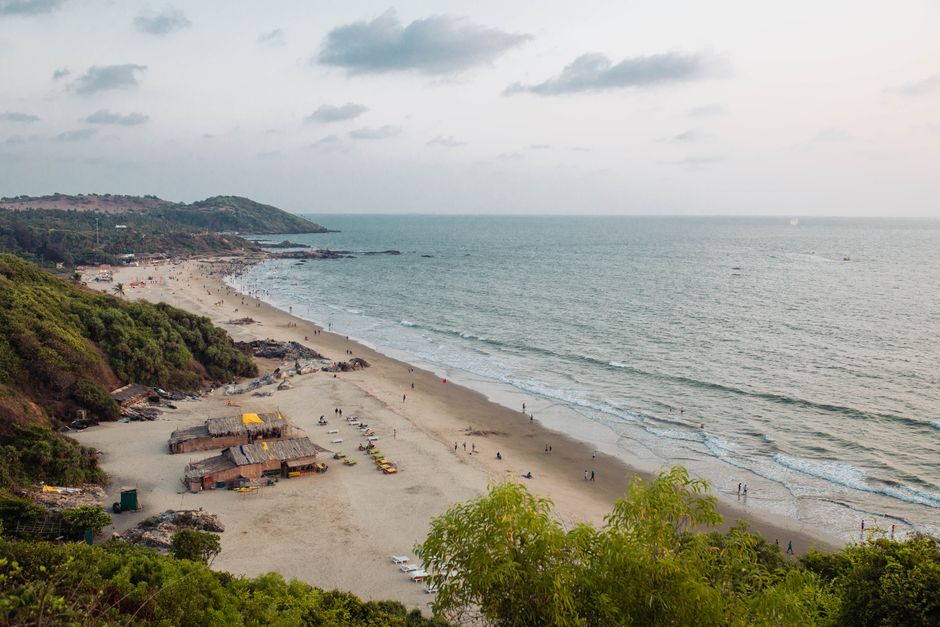
Palolem’s crescent shape and laid-back vibe make it a favourite for winter and shoulder months. The sea is usually more comfortable for swimming then, and you’ll find the most consistent beach-day routines.
If you’re visiting during wetter periods, keep the “plan A / plan B” mindset—short beach windows can still be worth it.
Location: Palolem, South Goa
8. Patnem Beach (Quiet-leaning)
Patnem is a great pick when you want a calmer beach atmosphere than the busiest stretches of North Goa. The dry season helps with long walks and comfortable evenings.
If rain interrupts your day, the area’s local cafés and quick access to neighbouring bays make it easier to switch gears.
Location: Patnem, South Goa
9. Agonda Beach (Slow-Move Escape)
Agonda feels made for “switch off” travel, and it tends to suit the cooler months when it’s easier to be outdoors without constant humidity.
During monsoon, the beach can still be beautiful, but swimming days are less predictable—so aim for flexibility in your schedule.
Location: Agonda, South Goa
10. Colva Beach (Easy South Base)
Colva is an easy South Goa base if you want a mix of beach time and nearby dining options. In winter, it’s a comfortable place for beach mornings and relaxed afternoons.
In monsoon, expect rougher sea conditions on some days; on those days, focus on food, cafés and short sightseeing drives.
Location: Colva, South Goa
11. Cabo de Rama Fort (Coastal History)
Cabo de Rama gives you dramatic coastal views with a hint of history. The best time to enjoy it is when the weather is clearer—typically from late autumn into early spring.
If you visit in the wet season, keep an eye on local conditions and go during safer weather windows.
Location: Cabo de Rama, South Goa
12. Dudhsagar Falls (Monsoon Magic)
Dudhsagar Falls is at its most impressive around the monsoon period, when the water levels rise. If your idea of fun includes misty scenery and a more rugged journey, this is one of the best “rain season” attractions.
Because the area can get slippery and travel conditions can change, plan with buffer time and check local updates before heading out.
Location: Sanguem, Goa
Best Time to Visit Goa (Month-by-Month: Weather, Festivals, Prices)
January (Peak sunshine)
January sits firmly in peak season. The weather is usually dry and pleasant, sea conditions are often better for beach days, and accommodation prices can be at their highest.
If you’re travelling in January, lock in your stay and transport earlier—popular areas fill up quickly.
February (Dry + festival buzz)
February is still in the dry, comfortable zone, but this is also when Goa’s festival calendar really gets attention. Goa Carnival typically happens around this time (dates vary year to year), bringing music, parades and extra energy in towns.
Expect good beach weather—but also higher demand and lively evenings.
March (Shoulder end + Shigmo period)
March often stays pleasant, with a gradual shift towards warmer days. Shigmo (Goa’s spring festival) usually falls around March, depending on the calendar.
Prices can start easing compared to January/February, but it’s still a popular month.
April (Warm days, late-season vibe)
April is where things get warmer and more humid. Beach time is still possible, but think early mornings and late afternoons more than midday laziness.
This can be a decent value window compared with peak season, though it’s less “cool and crisp” than winter.
May (Hot, slightly quieter)
May is often hotter and can be pre-monsoon humid. Beach days are manageable, but you may prefer short outings and indoor breaks.
If you want fewer crowds and better deals, May can be attractive—just be ready for the heat.
June (Monsoon arrives)
June marks the shift into monsoon. Rainfall increases, and sea conditions can be unpredictable, which means swimming days may be fewer.
On the upside, Goa’s landscape looks greener and prices often soften—particularly once the rainy season is fully underway.
July (Monsoon deepens)
July is firmly monsoon territory. Expect daily showers sometimes, plus cooler, misty weather. Beach walking can still be beautiful, but plan around closures or rough sea days.
If you’re after dramatic scenery and lower crowds, July fits. For travellers chasing beach-perfect swimming, it’s usually not the easiest time.
August (Green Goa + cultural calendar)
August continues the monsoon pattern. It’s a good month for sightseeing that isn’t overly dependent on the sea—temples, museums, viewpoints, and falls.
Large festivals like Ganesh Chaturthi may fall in this part of the calendar (timing varies), adding local energy.
September (Rain + gradual lift)
September stays wet in many years, but the intensity can start easing towards the end of the month. It’s a “weather watch” period.
Prices are often moderate versus peak months, but you’ll want buffer time for day-by-day changes.
October (Reopening season)
October often feels like the start of a better balance: rain may still happen, but beach days become more reliable than mid-monsoon.
If you like a mix of value and comfort, October can be one of the better picks.
November (Drier, busy again)
November typically brings more stable weather and clearer beach days. This is when demand starts building towards peak season.
Prices can rise, especially from mid-to-late November as travellers return.
December (Peak season again)
December is the big “peak season” month. Expect dry, pleasant weather and strong demand for popular neighbourhoods.
If you’re travelling during Christmas and New Year, budget for higher accommodation rates and plan early.
Quick Tips for Choosing Your Month
- Plan for peak demand: December–January are the toughest for prices and availability.
- Want best beach weather? Aim for November to February.
- Want rain-season scenery and fewer crowds? Go in June–September, but keep a flexible itinerary.
- Plan around festivals: Carnival and Shigmo can boost crowds and bookings in and around the towns where events take place.
Frequently Asked Questions
Which month is best for Goa beach weather?
Most people aim for November to February for dry, comfortable days.
Is Goa worth visiting during monsoon?
Yes, especially if you want greenery and fewer crowds—just be prepared for occasional rough sea days and showers.
When is Goa Carnival or Shigmo?
Goa Carnival usually falls in February (varies by year), while Shigmo typically lands around March.
Do prices drop in the rainy season?
They often soften in June–September compared with December–January, but exact rates vary by property and local demand.
Are the beaches open in monsoon?
Most beaches remain accessible, but swimming conditions and local safety guidance can change—check on the day.