

Want to trade sunbathing for saltwater exploring just off Goa’s south coast? Grand Island is one of the region’s most popular scuba areas, and the right planning makes the difference between a smooth, reefy day and a frustrating one.
This guide walks you through the full dive-day flow—permits/fees, where boats typically pick you up from, what to bring, how to think about tides and visibility, and how to book a certified tour from nearby Canacona bases—while also listing the best nearby starting points.
Best Dive Spots and Start Points
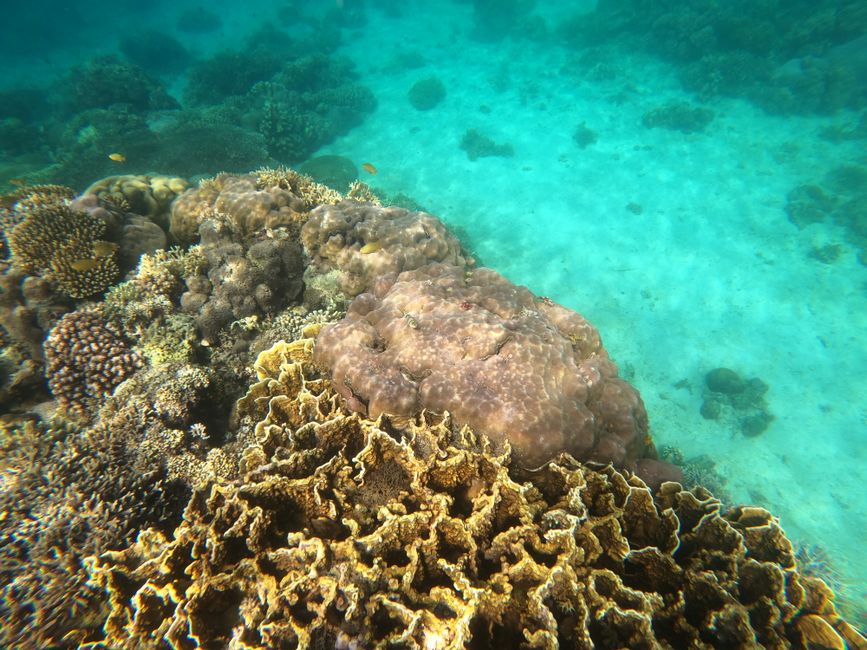
1. Grand Island (Scuba Spot)
Grand Island is the headline reef area for scuba and snorkelling trips from South Goa. Expect boat days, guided dives (or snorkels if you’re new), and a good chance of seeing reef life when conditions are calm.
In your planning, treat “Grand Island day” as a package: your operator will manage entry/exit procedures, briefing, and the safest timing for the conditions they’re seeing on the water.
Location: Off Canacona, South Goa
2. Pequeno Island (Snorkel & Dive Spot)
Pequeno Island is commonly paired with Grand Island for shorter or additional water time, depending on the day’s sea state and how the group is progressing. It’s often a great option when you want time on the water without committing to a single long session.
For your booking questions, ask whether Pequeno is included as a second stop or an alternative if visibility or sea conditions change.
Location: Near Grand Island, off Canacona, South Goa
3. Palolem Beach (Dive Base)
Palolem is one of the easiest places to stay for Grand Island trips. Most operators run their day tours from the Canacona side, and Palolem is typically where travellers align on meeting times, vehicle transfers, and “be there early” logistics.
When you confirm the tour, check the exact pickup point and time window (arrive earlier than you think—boat schedules can shift with tide/sea conditions).
Location: Palolem, Canacona, Goa
4. Patnem Beach (Dive Base)
Patnem is a quieter neighbour to Palolem and still works well as a base for Grand Island day trips. If you prefer a slightly more relaxed beachfront vibe, it’s a practical alternative while keeping you within easy reach of the same tour pickup corridors.
Use this as your strategy: stay close enough that you can reach the meeting point without rushing, especially on mornings when you’ll need to be ready to board on time.
Location: Patnem, Canacona, Goa
5. Agonda Beach (Dive Base)
Agonda is another Canacona favourite for beach stays, and it’s often chosen by travellers who want a calmer pace before a dive day. The trade-off is typically a longer transfer to the boat departure area compared to Palolem/Patnem.
If you’re basing in Agonda, confirm the start time with your operator a day ahead and plan for traffic/spares—missing the boat is the most expensive mistake you can make here.
Location: Agonda, Canacona, Goa
6. Canacona Town (Jetty Access)
Staying in or near Canacona town can be convenient for logistics. It’s a practical hub for transport to beach departure zones and makes it easier to handle early morning check-ins.
When booking, ask what they consider the “meeting point” on the ground—some tours use a jetty/shore reference, others use a shop/office landmark. Get the exact instruction in writing.
Location: Canacona, South Goa
7. Cabo de Rama Fort (Pre-Dive Views)
Cabo de Rama Fort isn’t a dive site, but it’s a smart add-on if you’re staying in the south Canacona zone. It helps you “fill the day” between water sessions with views, a relaxed walk, and a change of pace.
Pair it with your dive planning like this: do the fort on a low-energy day (post-dive rest), and keep your dive day free of heavy hiking—easy recovery matters.
Location: Cabo de Rama, Goa
8. Cola Beach (Dive Base)
Cola Beach is a quieter stay option around Canacona that can work well if you’re planning a multi-day trip and want a less crowded coastline. It’s generally a bit more “local-feeling” and suited to travellers who like simple beach rhythms.
For diving logistics, focus on transfer time. Ensure your accommodation can organise an early morning ride without last-minute scrambling.
Location: Cola, Canacona, Goa
9. Kakolem Beach (Dive Base)
Kakolem is another nearby coastline area that travellers use as a base for South Goa activities. It can suit you if you want a quieter stay and don’t mind a short drive back and forth to the tour departure side.
Ask your operator what time you should be at the pickup point—then build a cushion that accounts for breakfast finishing, last-minute gear checks, and paying any day fees that are handled in person.
Location: Kakolem, Canacona, Goa
10. Galgibaga Beach (Nature Base)
Galgibaga is famous for its natural environment, and it’s a great base if you’re blending diving with slow beach days and wildlife-focused sightseeing. It may not be the most obvious “dive tour meetup” zone, but it can be a strong stay choice if your schedule is flexible.
Because this is a nature-heavy area, keep your planning tidy: confirm your dive pickup details early, and don’t leave your dry bag prep until the last minute.
Location: Galgibaga, Canacona, Goa
How to Plan, Book and Avoid Common Dive-Day Issues

Here’s the end-to-end process you can follow for Grand Island dive planning, written for the real-world constraints of Indian day trips.
Permits, fees and what to carry
Grand Island sits in a marine-protection context, so tours usually involve park/environment-related fees and local rules handled by the operator. Instead of chasing unclear paperwork yourself, do this:
- When you book, ask whether “park/entry fees” are included in the tour price or paid separately.
- Carry a government ID for check-ins (a passport or government-issued photo ID is typically what operators ask for).
- If you’re diving as a certified diver, bring your certification card (PADI/SSI or equivalent) in a photo or physical copy.
If you’re only snorkelling, still ask about safety brief requirements and what the water conditions are like on the day—operators that run both scuba and snorkel days will usually adapt the plan.
Meeting points and timing
Grand Island tours are usually structured around boat departure windows. The practical rule: you’ll want to be ready before the “departure time”, not at it.
- Confirm the exact meeting location the day before (some tours use a jetty/shore reference; others use a specific pickup point).
- Plan to arrive 30–45 minutes early if you can.
- Ask whether a driver pickup is included from your beach stay area.
A helpful question to ask your operator: “What happens if sea conditions change—do you still go, switch islands, or refund?” Knowing this upfront reduces stress on the morning.
Gear: what you’ll usually get vs what you should bring
Most certified dive operators provide core equipment for scuba (and often snorkelling masks/gear too). Still, you’ll be glad you packed smart.
Bring:
- Dry bag (for phone, cash, and documents) or a waterproof pouch
- Towel and a change of clothes
- Reef-safe sunscreen and lip balm (sun hits hard on boat days)
- Water / a small snack (if the tour doesn’t include refreshments)
- If you wear prescription glasses or have ear sensitivities, ask your operator what they recommend
Consider asking the operator about:
- Whether they provide wetsuits (and what thickness is typical for the season)
- Whether you can bring your own mask and regulator (some operators will allow it)
- What buoyancy and weighting will be used for your body type
Safety note: ear equalisation matters when you dive. If you have a history of ear pain, mention it in your pre-dive check.
Tides and visibility basics (no overthinking, just knowing what to expect)
You don’t need to become a tide scientist, but you should understand the “why” behind timing.
- Calm water = better comfort. Operators tend to aim for conditions that reduce wave-driven churn, because that makes entries/exits smoother and helps you stay focused.
- Visibility changes with wind and rain. After rough weather or heavy rain, you may get lower visibility due to suspended particles.
- Sea state affects the plan. Tours sometimes switch from one stop to another (e.g., from a main reef to a more protected area) depending on how the day looks.
What to do as a traveller:
- Check the forecast the night before and the morning of your tour.
- If seas are rough, give your operator the benefit of the doubt—day-trip safety decisions are usually made for a reason.
How to book a certified dive tour (and what to check)
When you’re booking from Palolem/Patnem/Agonda (or anywhere in the Canacona belt), your biggest quality filter is not “cheapest”—it’s certification and safety standards.
Ask or verify:
- The guide’s scuba qualifications and whether they follow a recognised training standard (PADI/SSI or equivalent)
- Group size (smaller groups are easier to manage for safe spacing)
- Insurance expectations (at minimum, ask what’s covered for the activity)
- Whether your certification level matches the planned depth and dive profile
If you prefer starting from curated tour listings, Viator can be a useful place to compare operators and see what’s included, before you confirm details with the dive centre.
Then, final step: message your accommodation and operator about pickup time the day before, so you’re not figuring out transport when you should be resting.
Best Time to Visit Grand Island (Tides, Visibility and Sea Conditions)

Goa’s sea conditions change through the year, and Grand Island diving follows that pattern.
When visibility is usually best
For most divers snorkelling/scuba days, the most reliable window is typically the drier months—roughly November to March. These are the periods when:
- boat trips are more comfortable (less rain-driven chop)
- visibility tends to improve compared to monsoon conditions
- the water surface is generally easier for first-timers
When you’ll need flexibility
June to September is the monsoon period. It doesn’t mean “never dive”, but you should expect rougher seas and more variable water clarity. In those months, the best plan is a flexible booking window (multiple attempts over several days), and a willingness to switch days if your operator postpones or changes the route.
Tide mindset for day-trippers
Tide affects water movement and timing around shore/entry points, but your operator will usually do the local planning. Your role is simple:
- don’t book a tour and then schedule a late breakfast plan right after
- arrive early so you can follow the operator’s entry timing
- if you feel unwell (sea sickness, fever, ear pain), tell the crew immediately—don’t try to “push through”
What to pack based on the season
- Dry season: light clothing for land time + sun protection for boat time
- Monsoon/shoulder months: pack warmer layers for the boat ride, keep everything waterproof, and bring a spare set of dry clothes
If you do this, your day-trip becomes about exploring the reef—rather than managing discomfort.
Frequently Asked Questions
Do I need a special permit to dive at Grand Island?
Most operators handle the local/park-related requirements as part of the tour. Ask if fees are included and carry government ID for any on-the-day check.
What’s the best base to stay for Grand Island dive trips?
Palolem and Patnem are usually the easiest. Agonda and other Canacona beaches can work too, but confirm pickup times and transfer duration.
Can beginners snorkel instead of scuba?
Yes. Many tours offer snorkelling options alongside scuba days. Ask about safety brief, group size, and whether snorkelling is done on the same stops.
What should I bring on a Grand Island tour day?
A dry bag/waterproof pouch, towel, change of clothes, sunscreen, and any certification documents. Operators typically supply dive gear, but confirm wetsuit and equipment details.
How do tides and visibility affect the dive plan?
Wind, rain, and sea state strongly influence visibility. Tide and sea conditions can also change where you stop or whether the route is switched—your operator will plan around what they see.
How do I make sure my dive tour is certified and safe?
Check that the instructor/guide is qualified, ask about group size, confirm your certification level matches the plan, and ask what’s included in safety brief and coverage.