

Want a Goa beach break where you still hear birds at sunrise and keep wildlife at the centre of the plan? Gallgibaga (Galgibaga) is in South Goa’s Canacona region and is best known for its ecology and turtle-safe beach rules.
This guide covers how to reach Gallgibaga, what to expect on the ground (including wildlife sensitivity), and how to choose eco-stays that give you calm, easy access—without turning the beach into a party zone.
How To Reach Gallgibaga (Canacona) Beach

By air: The closest airport is Goa International Airport (Dabolim). From here, expect roughly a 2–3.5 hour drive depending on traffic and where your stay is. Taxis work well; pre-booking a car is often smoother than hunting at peak times.
By train: Get off at Madgaon (Margao) Railway Station and continue by road. The road transfer typically takes around 3–4 hours, again depending on your final point of drop-off.
By bus: Goa has regular buses between Panaji/Mapusa and South Goa towns (often via Margao). For Gallgibaga, many travellers route via Margao → Canacona/Palolem and then use local transport for the final stretch.
Local movement once you’re there:
- If you’re staying near Palolem/Patnem, you can do a mix of short drives + walks.
- If you’re closer to the Gallgibaga side, expect limited road frontage at some points—so check whether your property is a true “walkable” option, or if it’s a longer walk with sand/gravel.
1. Galgibaga Beach (Turtle-Safe Shore)
Galgibaga Beach is a long stretch of sand in Canacona where ecology comes first—especially during turtle nesting/hatching seasons. When you visit, you’re not just a visitor to a beach; you’re also entering a habitat that locals and forest/wildlife teams actively protect.
How it feels: quieter than many other Goa beaches, more natural vegetation, and a strong “low-noise” vibe. What to do: walk gently (stick to existing paths where available), keep distance from any marked zones, and avoid flash photography at night.
Location: Canacona, Goa
2. Palolem Beach (Calm Base Point)
Palolem is often the practical stepping stone for Gallgibaga trips. It’s well set up for eateries and transport, but you can still pick quieter corners—especially if you’re not right on the main stretch.
Why it works for eco-travel planning: you get access to supplies and local transport, while still having the option to head to Gallgibaga for the more wildlife-sensitive coastline. For calm beach access, look for stays that keep you away from the loudest beachfront lines.
Location: Palolem, South Goa
3. Patnem Beach (Low-Key Neighbour)
Patnem sits close to Palolem and is known for a calmer atmosphere for many travellers. It’s a good option if you want a relaxed beach day without needing constant nightlife.
Eco-minded tip: while Patnem is not the same turtle-nesting hotspot as Gallgibaga, the same travel ethics apply—use refillable water, keep plastics off the sand, and stay on the safer, established walkways.
Location: Patnem, South Goa
What To Expect at Galgibaga: Turtles, Mangroves, and Quiet Rules
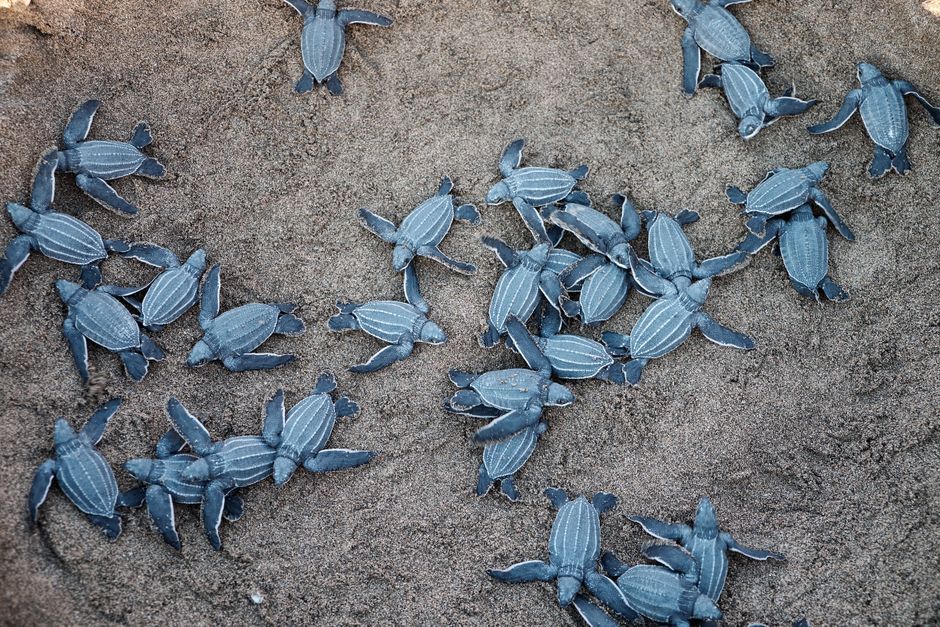
Turtles and night behaviour: Olive Ridley turtles nest along Goa’s coastline in certain months, and Gallgibaga is a place where you’ll hear about seasonal restrictions. Even outside peak season, respect the same basics:
- Avoid strong lights and flash after dark.
- Keep noise down on approach routes and near the shoreline.
- If you see volunteers/officials directing movement, follow their instructions.
Mangroves and birds: South Goa has stretches of wetland/green cover near the coast and waterways. Don’t treat every “interesting path” as a free path—some areas are fragile, and shortcuts can damage habitat.
Practical eco checklist for your visit:
- Carry a small trash bag; pick up litter you see (if it’s safe to do so).
- Choose reef-safe/biodegradable toiletries where possible.
- Skip drones in wildlife-sensitive areas.
- If you’re arranging activities, ask operators how they protect wildlife and keep groups quiet.
4. Netravali Wildlife Sanctuary (Green Corridor)
Netravali Wildlife Sanctuary is one of the larger protected areas in South Goa’s hinterland. Even if you don’t do a full day inside the sanctuary, the region’s conservation mindset influences the coastal areas around it.
Why this matters for eco-stays: the more you base yourself toward areas that respect the local ecosystem, the more likely your stay will help with low-impact behaviour (trash handling, reduced lighting, quiet rules).
Location: South Goa (near Canacona)
5. Cotigao Wildlife Sanctuary (Forest-to-Coast Ecology)
Cotigao Wildlife Sanctuary is close to Canacona and is known for a rich mix of habitats. This is the kind of landscape that supports birds, reptiles, and many species that indirectly shape how the coastal ecosystem behaves.
Eco-travel tip: if you’re planning a forest walk or nature activity while you’re in the area, choose guided routes with someone who understands local sensitivity (timings, trail limits, and wildlife distance).
Location: South Goa (Cotigao region)
6. Cabo de Rama Fort (Coastal History Views)
Cabo de Rama Fort is a historic viewpoint near the coast. While it’s not an “eco stay” stop, it’s a meaningful day trip that keeps your itinerary balanced—history + nature, without needing more beach crowding.
When it fits best: early morning or late afternoon for comfortable walking and view time. Keep your water bottle and sun protection handy.
Location: near Cabo de Rama, South Goa
7. Agonda Beach (Quieter South-Coast Option)
Agonda is a popular calm beach stretch in South Goa. For travellers building a low-stress itinerary around Gallgibaga, Agonda can work as a “reset” base, especially if you want fewer crowds.
Eco expectation: keep the beach edge clean and treat wildlife and vegetation with care. Even in quieter beaches, avoid disturbing animals or vegetation on the ground.
Location: Agonda, South Goa
8. Butterfly Conservatory (Local Wildlife-Friendly Stop)
The Butterfly Conservatory is a dedicated wildlife/education space in Goa. It’s a good option for a low-impact activity day when you want something nature-focused without putting additional pressure on coastal habitats.
Eco-minded approach: follow route guidance, don’t touch animals, and keep your group noise low—small behaviours add up.
Location: Goa (Butterfly Conservatory area)
Eco Stays for Calm Beach Access (How To Choose the Right Setup)

Here’s what we recommend you look for when choosing an eco-friendly stay for calm beach access:
1) Choose location for walkability, not just “beachfront” marketing
For a gentle, calm experience, prioritise stays where you can reach your beach access point via a short walk or simple transfer—and where you’re not forced to cross through noisy corridors.
Why it matters for ecology: fewer late-night trips reduce light/noise pollution, and it keeps the area around nesting/coastal zones from getting disturbed.
2) Ask about lighting (especially if you travel in turtle season)
Properties that understand the coastal rules tend to be mindful about:
- how lights are directed at night
- whether beachfront lighting is dimmed or turned off during sensitive hours
If the stay can’t answer this clearly, it’s a sign to choose somewhere else.
3) Waste and water habits are the real eco indicators
Eco stays usually show practical signals:
- clear waste segregation or reliable waste collection
- refill-friendly water options (or at least sensible bottle policies)
- toiletries and cleaning methods that don’t create heavy runoff pressure near the coast
4) Pick quieter zones over party-strips
Even in South Goa, noise patterns matter for wildlife and for your own sleep. For calm beach access:
- choose a property that sits slightly back from the most active beachfront lines
- keep your room orientation in mind (some lanes are louder at night)
5) Book with flexibility for weather
If you’re going during the monsoon swing (June–September), heavy showers can affect beach access routes. A flexible booking plan (like using Booking.com for date changes) can reduce last-minute stress.
Best Time to Visit Gallgibaga (Turtles & Comfort)
Your best months depend on what you want most: cooler comfort, fewer crowds, or a closer connection to seasonal wildlife.
November to February: generally the most comfortable period, with pleasant beach weather. This is also when turtle-related discussions are most relevant in Goa’s coastal belt.
March to April: warmer, still great for beach walks and nature day trips, but expect more heat.
May: shoulder-to-warm season; good value on stays can happen.
June to September (monsoon): Goa becomes greener and quieter, but beach access can be rough and water conditions can change. If you choose this period, pack for wet days and plan nature activities that don’t rely on perfect shoreline conditions.
Frequently Asked Questions
Where exactly is Gallgibaga Beach in Goa?
Gallgibaga Beach is on the Canacona coastline in South Goa, reachable via road from South Goa towns like Canacona/Palolem.
When is turtle season near Gallgibaga?
Turtle activity varies by year, but Goa’s turtle nesting/hatching season typically falls in the cooler months; follow local guidance and any on-site rules when you visit.
How do I choose an eco stay near Gallgibaga?
Look for low-noise/low-light behaviour at night, responsible waste handling, and a setup that gives easy calm access to the coast without forcing you through disruptive routes.
Is it safe to visit Gallgibaga during monsoon?
You can visit, but expect rougher conditions, changing tides, and more rain—plan extra buffer time for the final stretch and choose stays with easy logistics.
Can I take photos with flash at night on the beach?
Avoid flash and strong lighting in turtle/wildlife-sensitive areas, especially after dark.
What’s the best way to get there from Panaji or the airport?
Drive/taxi is the simplest from Panaji, and from Dabolim Airport it’s typically a few hours by road; then use local transport/walking for the last stretch to your stay.