
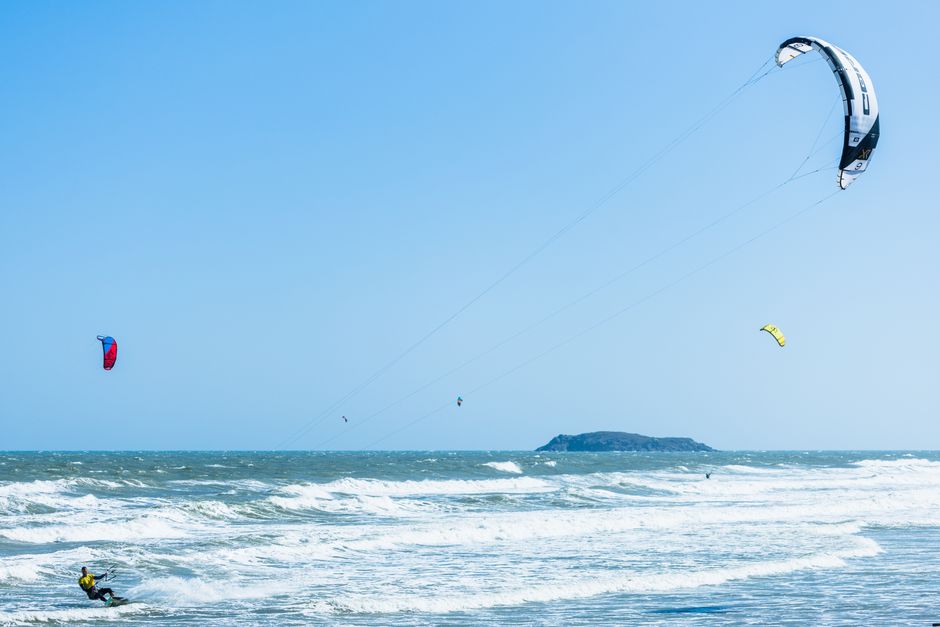
Goa isn’t just about sunsets and beach shacks—it’s also a serious kiteboarding destination when the wind shows up.
This guide covers 10 of the best kitesurfing spots in Goa (by North and South Goa), what the typical wind season looks like, and how beginner lessons usually work—so you can plan around conditions rather than luck.
Best Kitesurf Spots in North Goa

1. Arambol Beach (Kitesurf Starter Stretch)
Arambol is one of the best places to begin in North Goa because the beach area is wide and you can often find flatter water compared with rockier pockets further down the coast. On good wind days, you’ll see plenty of learners out there—useful if you want to compare gear, launch habits, and what “clean” kite control looks like.
For beginner attempts, aim for calmer-looking patches and always set up with your instructor’s guidance on where to launch and where the safest downwind landing zone is (it can vary day to day as wind and tide shift).
Location: Arambol, Goa
2. Ashwem Beach (Wide-Beach Learning)
Ashwem’s long stretch of sand makes it easier for beginners to manage the basics: walking out, controlling the kite overhead, and keeping a predictable line during practice. The wind can feel lively here, but on the right day it’s the kind of space where you can build confidence step by step.
We recommend learning with an instructor who can match your progression to the beach area you’re using—because the “same” beach can feel very different when the tide is up or down.
Location: Ashwem, Goa
3. Morjim Beach (Flat-Water Opportunities)
Morjim is popular with kiters for a reason: there are often long, open stretches where you can work on kite control without constantly fighting chop. Beginners benefit from areas where you can relax between attempts and focus on technique—especially during ground school and early water starts.
If you’re practising early skills, watch for change in conditions across the shoreline. Winds can be steadier in one part of a beach than another, so don’t assume “Morjim = same everywhere.”
Location: Morjim, Goa
4. Vagator Beach (Windy, Progression-Friendly)
Vagator is a go-to spot when conditions are strongly kitesurfable, but it can be more “lumpy” than the wide, sandy learning zones. That doesn’t make it a bad place—just means it’s often better for students who already understand basic kite handling or are working with an instructor who knows the safest launch and water entry points.
If you do come here as a beginner, keep it instructor-led and choose the calmer section of the shoreline for your first attempts rather than drifting toward the busier or rougher edges.
Location: Vagator, Goa
5. Anjuna Beach (Kite-Crowd Energy)
Anjuna’s coastline is known for kiteboarding activity, which can be motivating when you’re learning. The downside for beginners is that busy days can mean more moving kites and more “traffic” around popular launch zones.
Choose a clear plan with your instructor: where you’ll launch, where you’ll practise, and how you’ll handle recovery if your kite angle is wrong. That structure matters more than the beach name.
Location: Anjuna, Goa
6. Candolim Beach (Consistent Coastal Reach)
Candolim sits in the North Goa belt where many visitors plan their kitesurfing around accessible beach access. On suitable wind days, you can find workable sections for early skills—particularly if you’re taking lessons organised around the safest entry/exit routines.
Because coastal conditions vary, it helps to treat Candolim as “a good option” rather than a guaranteed beginner beach every single day.
Location: Candolim, Goa
Best Kitesurf Spots in South Goa

7. Varca Beach (Long Sand, Good for Skills)
Varca’s wide shoreline can be a great training ground when wind and water conditions align. Beginners typically do best when they can practise kite control with fewer distractions and when the water near entry looks shallow enough for safe body drag and resets.
If you’re still on early stages (ground school and first water starts), ask your instructor where they see the smoothest, most consistent part of the day—then plan your sessions around that.
Location: Varca, Goa
8. Cavelossim Beach (Sandy, Lesson-Friendly Days)
Cavelossim is known as a resort stretch, but the coastline can also suit kitesurf lessons depending on wind direction and tide. When conditions are right, it can feel more “open” for practising your basics—launch discipline, edging awareness, and gentle water starts.
For beginners, it’s less about finding the fanciest beach and more about finding the easiest training geometry on that particular day: kite angle, depth, and room to recover safely.
Location: Cavelossim, Goa
9. Mobor Beach (Wide Stretch for Practice)
Mobor is a common choice for kiteboarders who want a long, sandy environment. Beginners often like places where they can reset quickly between attempts and keep their focus on technique instead of constantly repositioning.
If it’s your first few sessions, ask your instructor to prioritise consistency—fewer, cleaner attempts on the right patch of water beat rushing between random shoreline spots.
Location: Mobor, Goa
10. Betalbatim Beach (South-Goa Balance)
Betalbatim offers another South Goa option where kiteboarding can work well on the right days. The key for beginners is choosing a section where entry and recovery feel straightforward and where the water doesn’t look unexpectedly churned.
Always follow the lesson plan and beach rules provided by your instructor for that exact spot—kiteboarding safety depends on local conditions more than general assumptions.
Location: Betalbatim, Goa
When to Kiteboard in Goa (Season + Wind Timing)
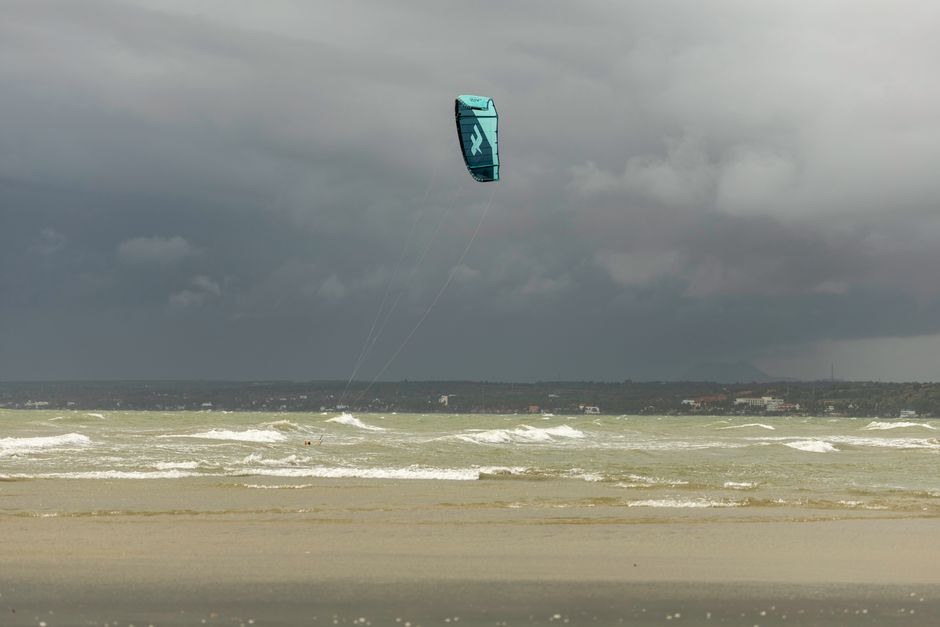
In general, the best kitesurfing window runs from November to February, with October and March often offering workable days if conditions line up. During monsoon months (roughly June to September), winds and sea conditions aren’t reliable for beginner lessons, and many operations scale back.
Practical timing tips:
- Start early in the day: wind strength and consistency can improve across the morning into midday.
- Don’t chase a single forecast hour: kitesurfing conditions can shift as temperature and cloud cover change. If you’re flexible, schedule lessons on days with a broader “wind window”, not just a narrow peak.
- Plan a buffer day: even in peak season, you may need to adjust based on wind and tide. A one-day buffer can make your trip feel far less stressful.
For booking, we recommend waiting until you have at least a day’s local forecast before you lock in multiple lesson slots. This is where platforms like Klook can help you shortlist options quickly when you see a good wind day.
Beginner Lessons in Goa (What to Expect + What to Book)
Beginner kitesurfing is all about foundations: kite control, safe water habits, and learning how to manage power. The best lessons feel structured and repeatable, not “one big try.”
Lesson formats you’ll typically see
Most beginner progress follows a similar arc:
- Ground school (kite control first): learning how to set up, communicate, relaunch, and handle kite positioning.
- Body drag & controlled starts: using the harness and kite stability to move safely with supervision.
- First controlled riding attempts: short runs, focus on balance, then stopping and resetting correctly.
- Progressive skill-building across multiple sessions: improving consistency rather than jumping straight to advanced manoeuvres.
How long it takes varies with wind, sea state, and your comfort level. A common approach is one lesson for basics, then two to four more sessions over the trip if conditions allow.
What to book in advance (so you don’t lose wind days)
Before your trip, prioritise these:
- Your accommodation location relative to your chosen beach: even short travel time matters when wind windows are tight.
- Lesson slot(s) with a clear start time: many beginner sessions rely on predictable morning conditions.
- Gear coverage: confirm what’s included (kite, board, harness, impact vest) and what you should bring.
- A contingency plan: ask how rescheduling works if wind drops or sea state changes. This is where Viator can be useful for checking alternative timings if a session needs shifting.
Beginner safety checklist (quick but important)
- Choose a lesson based on beach geometry, not just the nearest sand: shallow entry, room to relaunch, and a safe downwind recovery zone matter.
- Avoid “solo practice” early on: kiteboarders may look relaxed, but mistakes at first are where accidents happen.
- Wear the right protection: impact vest and helmet choices should be instructor-guided.
- Don’t overextend on a bad wind day: if the kite feels uncontrollable, the correct move is stopping and re-planning—not pushing through.
If you want an easy way to decide which spot to start from, pick the beach that gives your instructor the most room and the smoothest training water on that day, then stick to it for your first session.
Frequently Asked Questions
When is the best season for kitesurfing in Goa?
The most reliable window is usually from November to February, with October and March sometimes offering good sessions too.
Which Goa beaches are best for beginners?
Wide sandy stretches with manageable water on the day are usually best—popular beginner options include Arambol, Ashwem, Morjim, and Varca.
Do I need to know how to swim for kitesurfing lessons?
Yes—swimming ability is important for safety during water start practice. Check with your instructor on their minimum requirements.
How many lessons will I need to ride my first time?
Many beginners need several sessions across multiple days; one lesson typically covers the foundations, and riding comes after more consistent kite control.
What should I book in advance before arriving in Goa?
Book your lesson slot(s) and confirm what gear is included. Also keep accommodation close to the beach so you can adapt when wind days change.
What happens if there isn’t enough wind on the scheduled day?
Most good operators reschedule based on wind and sea conditions. Ask about rescheduling rules before you confirm.