
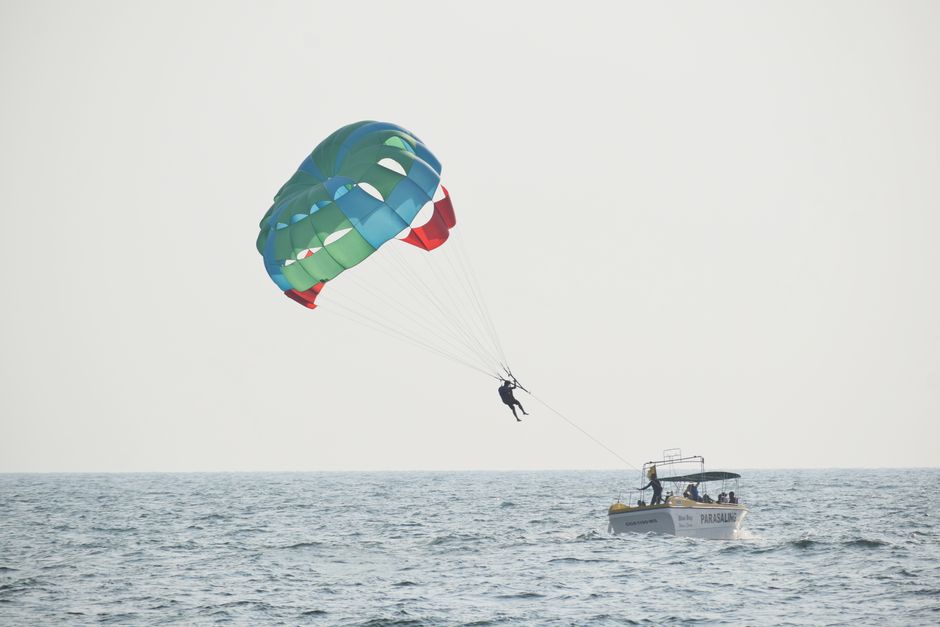
Goa looks postcard-perfect on land, but parasailing turns the coastline into a moving panorama. If you’re wondering where in Goa you’ll actually find parasailing most easily—and how to book without cutting corners—this guide has you covered.
Below, you’ll find the best beaches to head to (North and South Goa), plus practical details on ideal wind/sea conditions, typical ride durations, what to wear, and a checklist for choosing a dependable operator.
Best Parasailing Beaches in North Goa
1. Calangute Beach (Popular Water-Sports Stretch)
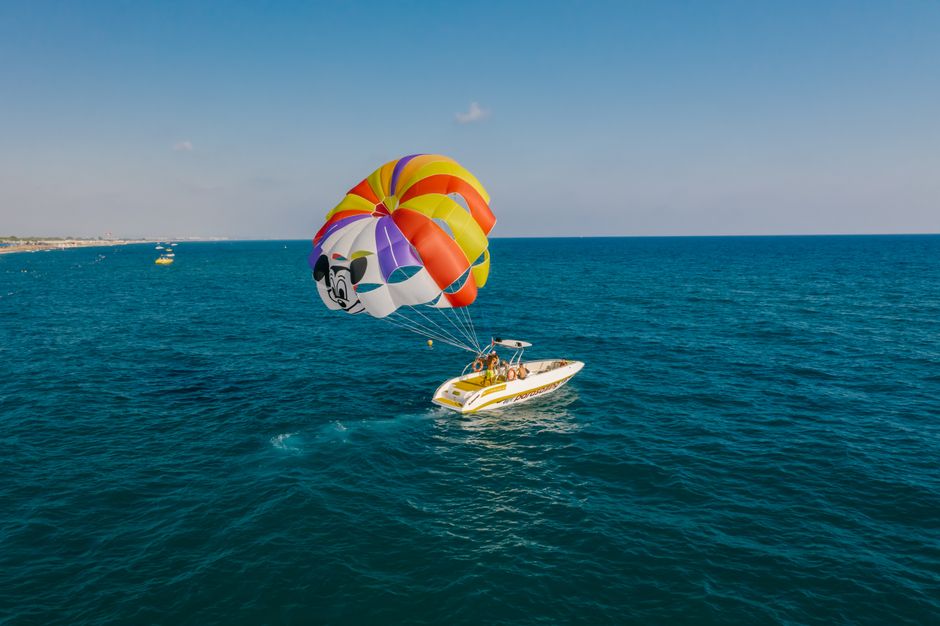
Calangute is one of the most common places to spot parasailing activity in Goa. Expect operators lined up along the beach area, with launches usually coordinated from the water via a boat. In the cooler, drier months, the sea tends to feel calmer and the rides are often smoother.
For comfort, pick a time when the sea looks reasonably flat and the wind feels “steady”, not gusty. Many rides run for around 10–15 minutes in the air, but factor in extra time for briefing and getting out on the boat.
Not sure what to choose? When you arrive, look for a setup that offers a proper pre-ride safety briefing and checks your gear before you step into the harness system.
Location: Calangute, Goa
2. Baga Beach (Easy Access, Many Operators)
Baga Beach is closely linked with other water sports in the region, which is why parasailing is frequently available here. The beach stretches wide, and the approach is generally straightforward: you meet the operator, do a quick safety rundown, then head out from the shoreline area.
Ideal conditions are when visibility is good and the surface of the water doesn’t look choppy. Wind is part of what makes parasailing work, but if the sea is strongly ruffled, ask whether they can reschedule—safety should come before “getting the ride done”.
What to wear: wear your swimwear under quick-dry clothing if you prefer, use water shoes or sandals with grip, and bring sunglasses with a strap (the breeze can be strong).
Location: Baga, Goa
3. Candolim Beach (Great When the Sea Looks Calm)
Candolim is a top choice if you want parasailing with a slightly less chaotic vibe than the busiest patches. Like Calangute and Baga, it’s well-known for water sports, and operators regularly run parasailing from the coastal area.
Look for a day with moderate wind and clear sea visibility. If you can see small waves forming and breaking consistently, that’s often a better sign than random, high chop. Typical parasailing sessions usually include a briefing plus the actual flight time (often around 10–15 minutes), so plan a 1.5–2 hour block at minimum.
Location: Candolim, Goa
4. Sinquerim Beach (Near Fort Aguada)
Sinquerim is another go-to zone for parasailing because it’s right along the North Goa coastal strip with well-established water-sports activity. The scenery is a bonus here, and you’ll often get good views of the headlands when the day is clear.
Before you say yes, watch the wind direction and the condition of the water. Parasailing works best when the wind is steady enough to lift safely without creating chaotic boat movement. If a day is overly windy or the sea is unsettled, reliable operators will suggest postponing.
Location: Sinquerim, Goa
Best Parasailing Beaches in South Goa
5. Colva Beach (Wide Coastline Options)
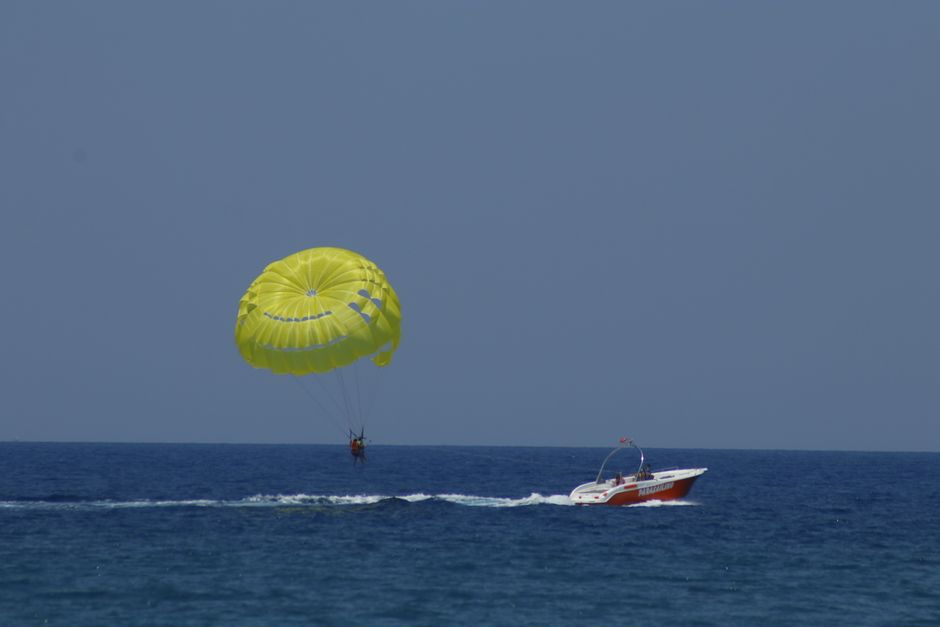
Colva is one of the better-known south choices for parasailing. The beach is broad, and you’ll typically see water-sports staff operating nearby depending on season and sea state.
For the best ride, choose a window when the sea looks smooth-to-slightly-rippled and the sky is clear. A classic parasailing slot often means you’re on the boat briefly before take-off and then get a flight segment (commonly around 10–15 minutes). If you’re with kids, ask for the child-suitable height/rig settings before you book.
Location: Colva, Goa
6. Cavelossim Beach (Beach + Resort Belt)
Cavelossim is popular with travellers staying in the south resort belt, and parasailing is typically available when conditions allow. Because the area draws a lot of families, operators usually explain gear use clearly—still, you should do your own quick safety checks.
Ideal conditions here tend to be similar across Goa: moderate wind and manageable wave action. If the shoreline is seeing big waves rolling in repeatedly, ask whether the flight will be adjusted or cancelled.
What to bring: sunscreen, a light cover-up, and a small dry bag for phones/keys. Keep your hands free for safety—avoid bringing loose items that can fall during the ride.
Location: Cavelossim, Goa
7. Varca Beach (Typically Good for Clear Days)
Varca is a solid pick for parasailing if you’re staying around the South Goa belt. It’s known for tourist infrastructure, and water-sports activity—including parasailing—can be available depending on the day’s conditions.
For timing, aim for earlier hours when you’re not rushed by the peak crowd. If there’s a clear horizon and the water surface looks organised (not chaotic), that’s generally your best sign. Many parasailing packages are timed to weather, so the “how long” depends on wind stability and boat operations.
Location: Varca, Goa
8. Palolem Beach (Scenic Option When Sea Conditions Work)
Palolem is famous for its relaxed shoreline and scenic views, so it’s a tempting place to parasail from. Parasailing availability can be more weather-dependent here, so treat it as “try on the day” rather than a guaranteed slot.
If you’re heading to Palolem, check the water look first. Calm-to-moderate conditions usually make for a better experience; strong chop can lead to delays or operators switching to a safer plan. Once the ride starts, expect the key experience to be the flight segment (often around 10–15 minutes), with extra time for briefing and boat boarding.
Location: Palolem, Goa
How to Book Parasailing in Goa (Safely)
- Start with a simple checklist at the beach
- Ask for a clear safety briefing: how the harness works, where you should stand, and what to do if you need to adjust the gear.
- Confirm life jacket/harness fit: gear should be adjusted to your body, not “one size for everyone”.
- Look for a professional setup: branded boats/rigging, staff who can explain the plan, and a normal workflow (not rushed).
- Choose based on what the sea is doing (not just the schedule)
Parasailing depends on wind and sea state. A reliable operator will:
- tell you if the ride is weather-dependent,
- offer a sensible reschedule if conditions are unsafe,
- avoid pushing you to go when the water looks rough.
- Get the essentials in plain language
Before you pay, ask:
- Is it single or tandem (adult/child) and what height you’ll reach?
- Typical duration of the flight segment (not just “full package time”).
- Whether they provide photos/video and how that’s handled (only if you want it).
- How to book without getting stuck
If you prefer booking in advance (especially during peak season), you can use Viator for organised activity listings, or Klook where available. On the beach, you can still confirm the safety checklist above—online listings should never replace basic safety checks.
Best Time & Conditions for Parasailing in Goa
To get that “smooth glide” experience, the season matters.
Best months
Most travellers have the easiest time with parasailing during Goa’s drier, cooler months—roughly from November to February—when skies are clearer and the sea is generally more manageable. March and October can also work well, but always judge the day-of conditions.
Avoid counting on parasailing during the peak monsoon months (typically June to September). Rain, stronger winds, and rougher seas can shut operations or keep them highly weather-dependent.
Ideal wind/sea feel (what to look for)
You don’t need a weather app to make a good call. Use these cues:
- The water surface isn’t wildly choppy.
- The wind feels consistent rather than gusty.
- The boat operations look calm and orderly.
If you see repeated strong waves rolling in, or you notice staff struggling to manage the setup, that’s your cue to ask about rescheduling.
What to wear for comfort
Parasailing is active and outdoorsy, so dress for wind:
- Wear swimwear + quick-dry layer (if you get cold in wind, a thin rash guard helps).
- Use water shoes or sandals with grip (avoid slippery soles).
- Bring sunglasses with a strap.
- Apply sunscreen (even on cloudy days) and carry a small dry bag.
Typical duration (what to plan)
Most parasailing experiences follow a similar rhythm:
- a briefing and gear fit,
- boat ride out,
- a flight segment (commonly around 10–15 minutes),
- return and settling back.
For planning, block around 1.5–2 hours so you’re not rushing.
Frequently Asked Questions
Where is parasailing most commonly available in Goa?
North Goa beaches such as Calangute, Baga, Candolim and Sinquerim are the most consistent for parasailing activity, with South Goa options like Colva, Cavelossim, Varca and Palolem also available depending on conditions.
What months are best for parasailing in Goa?
November to February are usually the easiest months for clearer skies and more manageable sea conditions. October and March can work too, while monsoon months are often weather-prohibitive.
What should I wear for parasailing?
Wear swimwear, water shoes or sandals with grip, and keep sunglasses secure with a strap. Sunscreen and a dry bag for valuables help a lot.
How long does parasailing take?
Expect a flight segment commonly around 10–15 minutes, plus extra time for briefing and boat operations. Plan around 1.5–2 hours total.
How do I book a reliable parasailing operator?
Look for a proper safety briefing, correctly fitted harness/life jacket, calm boat operations, and a willingness to reschedule if the sea is too rough.
Is it safe for children?
Many operators run child-suitable options, but you should confirm harness fit, the child’s height/weight compatibility, and the operator’s safety procedure before booking.