

Goa feels instantly reachable when you take the train—coastal scenery, a relaxed pace, and no last-minute airport stress. The only trick is choosing the right Goa station, because the onward road journey to beaches and towns depends a lot on whether you’re heading North or South.
Below, we’ve mapped the main stations you’ll use when travelling from Mumbai to Goa, and paired them with the best town/beach last-mile options. You’ll get typical travel-time ranges, plus exactly how to finish the final stretch once you step off the platform.
Goa Stations for Mumbai Trains (North vs South)

If you’re booking trains from Mumbai, your “best station” usually comes down to your destination area:
- North Goa (Calangute, Baga, Candolim side): look for trains that stop at Karmali or Thivim.
- South Goa (Colva, Benaulim, Palolem side): look for trains that stop at Madgaon, Vasco da Gama, or sometimes Verna.
Also keep in mind that some trains make fewer Goa stops than others—so if you see a choice between two stations, use the beach/town you want as your decision point.
1. Madgaon Junction (Margao) (Main South Hub)
Madgaon Junction is one of the most useful stations for South Goa holidays—especially if your plan includes central South Goa towns and you want plenty of road transport options. It’s often the most straightforward gateway to reach places like Margao area and onward connections.
From here, the drive to Panaji (for Old Goa / cafés / shopping) is usually around 2 to 3 hours, depending on traffic. To reach South Goa beaches, you’ll typically find transfers that take roughly 30 minutes to 2 hours, depending on how far south you go.
Location: Madgaon (Margao), Goa
2. Vasco da Gama (Port Town Station)
Vasco da Gama station is a strong pick when your travel plan leans towards South Goa, particularly if you want easier access to the Vasco/Colva belt or connections further into South Goa. It sits in a port-side town, so you’ll generally find plenty of taxis and local transport once you arrive.
Expect road time to major beach belts to vary a lot, but a common pattern is about 30 minutes to 2 hours to reach many popular South Goa beaches, again depending on the exact beach and traffic.
Location: Vasco da Gama, Goa
3. Verna (Convenient Mid-GOA Stop)
Verna station can be a handy middle-ground stop—useful when your train routing includes it and you’re aiming for South Goa destinations that aren’t too far from the central belt. It’s also a station many travellers use when their hotel is in or near the South/Central approach routes.
Once you arrive, most last-mile trips will be by road (taxis/auto). Typical road times to South Goa beaches are often around 45 minutes to 2 hours, depending on how deep south you’re headed.
Location: Verna, Goa
4. Karmali (North Goa Gateway)
Karmali is one of the key North Goa access points for trains coming down from the Konkan route. If you’re targeting the Calangute–Baga stretch, Karmali is often a comfortable starting point for the final road journey.
From Karmali, road time to North Goa beach areas is commonly about 30 minutes to 1.5 hours (traffic makes the difference). If your accommodation is near Panaji, reaching the city for sightseeing also tends to fall into a similar time band.
Location: Karmali, Goa
5. Thivim (North Goa Alternative)
Thivim is another popular station for travellers going to North Goa, especially if you want to explore the beaches and villages between the northern belt and Panaji. It can work well when trains stop there instead of Karmali.
Plan for a typical road journey of about 30 minutes to 1.5 hours to many North Goa beach areas. For towns like Mapusa and the Panaji side, you’ll usually be looking at around 30 minutes to 1.5 hours, depending on where exactly you’re heading.
Location: Thivim, Goa
6. Canacona (South East Goa Station)
Canacona station is best suited for a South Goa itinerary that’s pushing towards the more southerly coastline—handy if your plans include beaches further down the peninsula. It’s a useful station when your intended last-mile direction aligns with the Canacona side.
From Canacona, many travellers complete the final leg to beach areas by road (taxis/auto) and, in some cases, via connections that require a short transfer. Expect road time to South Goa beach areas to vary widely, often around 1 to 3 hours depending on which beach you’re aiming for.
Location: Canacona, Goa
North Goa Connections (From Karmali & Thivim)
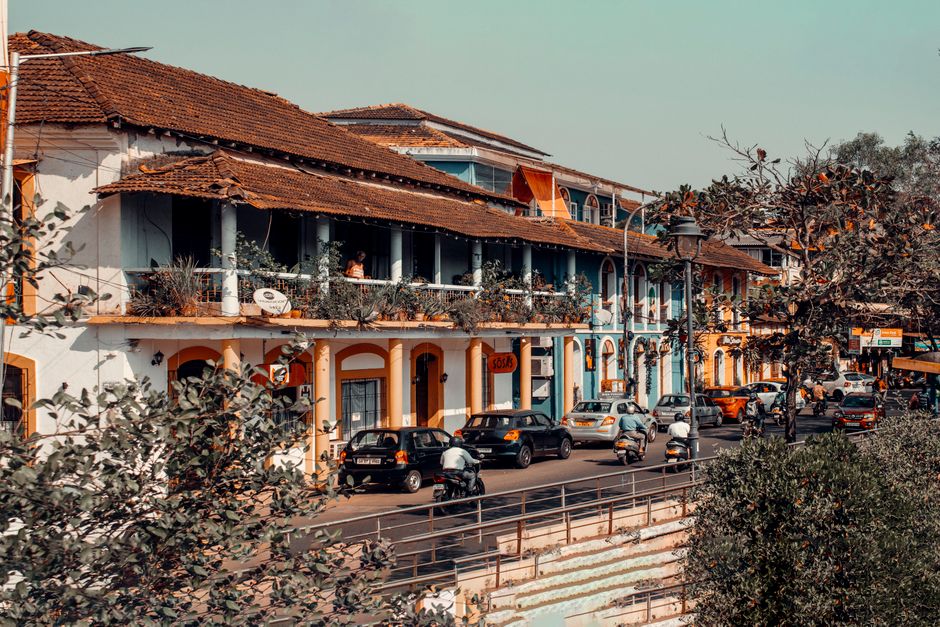
For North Goa, your station choice is really about how much road time you want to spend once you get off the train. In practice, Karmali and Thivim are the two most common Goa stations for travellers aiming for the northern beaches and the Panaji area.
Once you arrive, the simplest last-mile approach is usually:
- Taxi/auto from the station to your area (best if you have a clear destination)
- Or go first to Panaji/Mapusa, then continue to your beach by short road hops
7. Panaji (Panjim) (Town Base)
Panaji is an excellent “first stop” if you want to organise your trip smoothly after arriving—shopping streets, cafés, and easy onward roads in multiple directions. Even if your final beach is in North Goa, Panaji can act like a calm hub to regroup.
If you’re starting from Karmali or Thivim, many travellers reach Panaji in roughly 30 minutes to 1.5 hours by road. From there, beach commutes are usually quicker, depending on where you stay.
Location: Panaji, Goa
8. Calangute Beach (North Goa Beach Base)
Calangute is one of the most well-known North Goa beach areas, ideal when you want a classic beach holiday with plenty of activity nearby. It’s also a practical destination when you’re using Karmali or Thivim as your rail gateway.
From Karmali or Thivim, the last-mile typically takes around 30 minutes to 1.5 hours, depending on your exact accommodation and traffic. If you’re moving day-by-day (beach to town), staying in this area can minimise transfer time.
Location: Calangute, Goa
9. Old Goa (Church Precinct Side Trip)
Old Goa is where you’ll want to head for heritage sightseeing—church precincts and historic landmarks that feel wonderfully separate from the beachfront rush. It’s also a good “day trip anchor” once you’re based in North Goa.
From the rail-side Goa stations (often via Panaji roads), this is typically a road trip of roughly 1 to 3 hours depending on your starting station and time of day. A common strategy is to arrive, settle into Panaji/nearby, and then do Old Goa early in your trip.
Location: Old Goa, Goa
South Goa Connections (From Madgaon, Vasco & Verna)
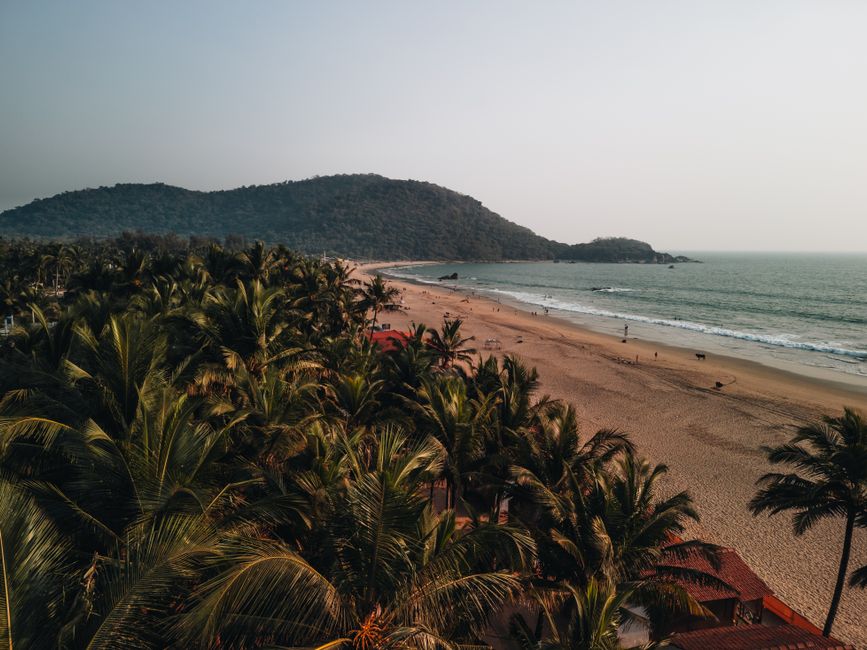
South Goa works differently: you generally choose between Madgaon and Vasco da Gama as your main hubs, with Verna as a convenient option when your train routing matches. If your route pushes far south, Canacona becomes more relevant.
After you arrive, the last-mile is usually easiest if you’re clear on your exact beach area. South Goa distances can feel short on the map, but they can still take time on roads—especially around peak evenings.
10. Kulem (South Goa Rail Stop)
Kulem is a lesser-used but genuine station option along the Goa stretch. It can be useful if your plan includes South Goa areas aligned with that rail corridor.
Once you arrive, continue by road to reach beaches or towns. Typical last-mile time can range widely (often about 1 to 3 hours), so it’s best used when you’re travelling with a destination that matches the station’s general direction.
Location: Kulem, Goa
11. Benaulim Beach (South Goa Calm Coast)
Benaulim is a go-to South Goa beach for travellers who want a more relaxed coastal vibe without going too far away from the central South route. It’s usually reachable with road transfers from Madgaon/Vasco (and sometimes via Verna depending on your logistics).
From the main South Goa rail hubs, the drive to Benaulim commonly falls around 45 minutes to 2 hours, depending on where you start and the day’s traffic.
Location: Benaulim, Goa
12. Palolem Beach (South Goa Peninsula Favourite)
Palolem is one of South Goa’s best-known beach destinations—great for a laid-back stay where you want sea views and an easygoing shoreline. It’s also a beach where choosing the right station matters, because the final road leg can take time.
If your train stops at stations like Canacona (or if you route via the main South hubs), you’ll complete the last-mile by road using a taxi/auto and local transfers. Typical road time to Palolem can be about 1 to 3 hours, depending on station choice and traffic.
Location: Palolem, Goa
How to Travel by Train From Mumbai to Goa
Here’s the practical way to plan your Mumbai-to-Goa train holiday—so your station choice and last-mile steps feel effortless.
1) Pick your Goa side first: North or South
Start with your accommodation area (or your must-do beaches). Then match it to the rail side:
- North Goa: aim for Karmali or Thivim.
- South Goa: aim for Madgaon, Vasco da Gama, or Verna. For far-south coastal plans, consider Canacona.
If you’re unsure, a safe default is:
- Choose North Goa beaches → Karmali/Thivim
- Choose South Goa beaches → Madgaon/Vasco/Verna
2) Expect typical journey times (Mumbai to Goa)
Train times from Mumbai to Goa depend on the specific service and stops, but you should generally plan for roughly 10 to 14 hours of overall travel time. Some trains are faster, others slower—so always check the specific timetable for the day you’re travelling.
A helpful tip: if you’re arriving in the morning, you’ll have far more flexibility for taxis/auto and last-mile logistics. Evening arrivals are doable, but it can be more crowded on the roads.
3) Plan the last-mile the same day you arrive
Once you land at your Goa station, you usually have two practical ways to finish the journey:
- Direct to your accommodation (best if you know your beach/area)
- To a hub first (often Panaji for North Goa, or a central South base), then do short beach transfers
This matters because Goa road traffic can change quickly during peak hours. Having a clear plan reduces waiting time and stress.
4) What to do if your hotel is “between areas”
Sometimes a hotel sits in a spot that isn’t right next to a rail station. When that happens:
- Pick the station that brings you closest in the direction you’ll be travelling (North vs South), not necessarily the closest by mileage.
- Use Panaji as a staging point if you want to keep options open for sightseeing in North Goa.
- If you’re going deeper into South Goa beaches, prioritise Madgaon/Vasco/Verna or Canacona depending on which side your beach sits.
5) Simple travel-day checklist
- Confirm your Goa station in your booking (don’t assume all trains stop at the same station).
- Keep your final destination address/area ready in advance (station-to-beach transfers are easiest with a clear location).
- Don’t plan a long sightseeing schedule on arrival day—use the first hours to settle in and do a short local transfer.
Frequently Asked Questions
Which Goa station is best for North Goa beaches?
For most North Goa beach plans, look at trains stopping at Karmali or Thivim, then continue by road to your beach area.
Which station should I use for South Goa beaches?
For South Goa, trains that stop at Madgaon Junction (Margao), Vasco da Gama, or sometimes Verna are the usual go-to choices.
How long does the train take from Mumbai to Goa?
Most Mumbai-to-Goa journeys are typically around 10 to 14 hours, depending on the specific train and stops.
How do I reach the beach from the station?
Most travellers use a taxi/auto from the station to their beach area, or go first to a hub like Panaji (North) depending on your itinerary.
Is Panaji a good starting point after arriving by train?
Yes—Panaji works well as a calm base for sightseeing and for planning short onward trips to North Goa beaches.
Can I go far south in Goa using train stations?
Yes. For beaches further down the peninsula, look for options that stop at Canacona (and then complete the last-mile by road).