

Want to glide through Goa’s quieter waterways, paddling past mangroves and village life from Old Goa? A Divar Island backwater kayaking tour is one of the most relaxed ways to see the Mandovi river system—without the crowds you’ll find on the beach.
This guide walks you through the route options you’re most likely to be offered (including where the kayaking atmosphere changes), what you’ll see along the way—mudflats, mangrove roots, birdlife, and small community edges—and how to book a guided session safely.
Kayak Route Options from Old Goa

Most guided Divar Island kayak tours start from the Old Goa side and then move into the calm, narrow backwater channels where the current is gentler. Your exact route depends on wind, tide and the guide’s assessment of water conditions, but the “building blocks” below are the ones you’ll typically hear about.
1. Old Goa Riverfront (Mandovi Start)
A tour usually begins by getting you set up at the Old Goa river edge, then easing into the Mandovi backwaters. Expect a short “warm-up paddle” while the guide points out where to keep your distance from the main flow.
On a good morning, this is where the water looks glassy and you can really hear the river—occasional bird calls, light splashes, and boat sounds in the distance.
Location: Old Goa, Goa
2. Divar Island Mangrove Belt (Root-Laced Channels)
This is the classic Divar moment: mangroves lining the channel edges, with roots dipping into shallow water. Guides often time this part so you get the best visibility of the mangrove channels while the current stays comfortable.
Look out for little signs of life—small fish flickers near the surface, bird movement along the canopy, and those “seriously scenic” narrow turns where the river feels enclosed.
Location: Divar Island, Goa
3. Vanxim Jetty (Village-Edge Paddling)
Many routes use Vanxim as a gentle village-edge waypoint. It’s the part where the scenery shifts from dense mangroves to more human-scale waterfront life: calmer water pockets, a few boats, and community edges you don’t get to see from the road.
If your guide offers a short pause here, it’s a good time to take slow photos and to ask how the route works with tide (guides can read the water quickly).
Location: Vanxim, Divar Island, Goa
4. Chorao Backwaters (Bird Sanctuary Region)
Chorao’s backwaters are known for wildlife-friendly waterways, and kayaking through this region can feel like moving through a living corridor. If your operator’s plan includes Chorao, expect more quiet time and a higher chance of spotting birds.
Your guide may keep a steady pace here—slower paddling means you disturb less and you get better viewing opportunities.
Location: Chorao Island, Goa
5. Ribandar Creek Lanes (Moorings & Mangrove Edges)
Ribandar is a common reference point for the broader water network around Panaji. Some tours swing back into creek lanes closer to Ribandar, where you’ll see mangrove edges paired with river activity.
This stretch can be slightly more “lived-in” visually—boats at moorings, small waterfront structures—and it’s a great contrast after the deeper mangrove channels.
Location: Ribandar, Goa
6. Corjuem Island Shoreline (Mandovi Side Views)
Depending on the route your guide chooses, you may paddle along the Corjuem side of the Mandovi system. It’s a nice addition if your session has time for a longer loop, because the horizon opens up for wider river views.
Corjuem can also make the tour feel more like a journey rather than only a mangrove circuit—useful for couples and solo travellers who want variety in scenery.
Location: Corjuem, Goa
What You’ll See on Divar Backwaters

Mangroves (and why they matter to your photos)
Divar’s mangrove-lined waterways are not just pretty—they shape the whole kayaking experience. The roots create natural “channels” and sheltered pockets where the water is easier to paddle, especially when guides select routes based on conditions.
For photos, look for the contrast: dark mangrove roots against pale water, and the soft reflection effect that happens on calm mornings.
Village edges and everyday river life
Along the way, the scenery often alternates between “quiet nature” (dense mangroves) and “quiet communities” (village-side waterfronts). You may spot small boats, moorings and the kind of shoreline activity locals manage with ease.
The best way to enjoy this part is slow paddling and keeping your distance—guides will show you where it’s appropriate to pause.
Wildlife and bird spotting
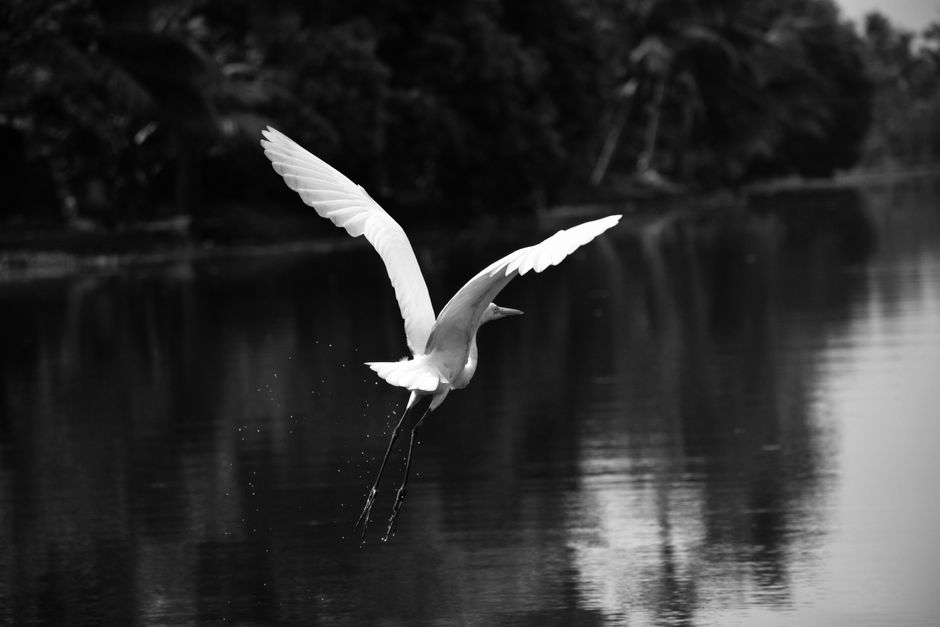
Chorao-region kayaking is where birdwatching enthusiasts often get excited. Even when you don’t spot something instantly, changes in movement along the tree line or sudden stillness can be a clue.
Pro tip: wear dark sunglasses and keep your head up while paddling—many sightings happen before you raise your camera.
Best Time to Go (Old Goa → Divar)
Best months
For the most comfortable experience, plan around the cooler, drier months. Generally, October to March is the sweet spot in Goa for pleasant temperatures and calmer mornings.
If you’re travelling during December to February, the weather is often more stable for early slots, but you’ll also see more travellers overall.
Time of day
Backwater kayaking is usually best early in the morning. You’ll typically get:
- calmer water and less choppy wind
- better visibility through the mangrove channels
- more wildlife activity
Afternoon sessions can still be lovely, but the light changes and wind can pick up later in the day.
Weather and water conditions (what to ask your guide)
When you confirm your booking, ask whether the day’s session depends on wind/tide. A professional guide will adjust the route or timing rather than push through unsafe conditions.
If it’s raining heavily or the water looks rough, shifting to another time slot is usually the smarter move.
How to Book a Guided Kayak Session
Booking a guided Divar kayaking trip is usually straightforward, but it helps to be methodical so you end up with the right route and the right safety setup.
1) Choose a session length that matches your comfort
Common formats include:
- shorter guided paddles (great for first-timers)
- longer routes that may include additional backwater stretches
If you want more than just mangroves—like village edges or the Chorao/Corjuem side views—go for the longer session, but only if conditions look good.
2) Confirm the meeting point on the Old Goa side
“Old Goa” can cover a few river-edge points. Before you head out, confirm:
- the exact pickup/drop point
- whether you’ll be driven to the water entry spot
- the time you should arrive for briefing and equipment fitting
3) Ask what’s included in the kit
At minimum, you should expect life-saving safety gear and proper paddling equipment. When you message or call, ask what the operator provides (and whether it’s included in the price).
Also ask about footwear—wet sand and slippery boardwalks are common around river edges.
4) Check how the guide plans the route
A good guide will explain how they decide the route based on wind/tide and what route segments you’ll likely experience (mangroves, village edges, and whether Chorao is part of the plan).
If the guide can’t talk through the “what you’ll see,” it’s a sign to ask more—or choose another option.
5) Use a reputable listing if you’re comparing time slots
If you’re trying to line up an exact morning slot, you can compare availability on Klook for operators that list Divar/Old Goa kayaking experiences.
Regardless of where you see the listing, always double-check the meeting point and inclusions.
6) Safety basics that shouldn’t be optional
Before you paddle, confirm:
- you’ll receive a proper briefing (how to enter/exit, paddle technique basics)
- your group has a clear leader/guide during the session
- you’re told what to do if conditions change
If anything feels vague on safety or route planning, ask directly.
Frequently Asked Questions
Is kayaking on Divar backwaters suitable for beginners?
Usually yes—many guided sessions are paced for first-timers, but you should still check the expected paddle time and whether life jackets and instructions are provided.
How long does a Divar Island kayaking tour from Old Goa usually take?
Most tours are half-day experiences with time for briefing and a gradual paddle, but durations vary—confirm the session length before you go.
What should I wear for Divar island kayaking?
Wear quick-dry clothing and water-friendly footwear. Bring a light layer for morning air, and keep valuables protected from splash.
What’s the best time of day to kayak near Divar?
Early morning is generally the best for calmer water, better visibility through mangroves, and more comfortable temperatures.
Will we definitely see mangroves and wildlife?
Mangroves are a core part of the route. Wildlife sightings depend on the day’s conditions, but guides in the Chorao-region are often focused on bird spotting.
Can the route change due to weather or tides?
Yes. Reliable guides adjust routes based on wind, tide and water conditions to keep the paddle safe and comfortable.