

Goa’s coastline is ideal for stand up paddleboarding (SUP) — especially when you choose the right bay and the right time of day. This guide covers beginner-friendly SUP spots across North and South Goa, what conditions matter (wind, tides and season), and how to book a session safely.
Use this as your practical shortlist: pick a calm beach stretch for your first attempt, plan around weather, and book with an operator (or a guided lesson) that prioritises safety, briefings and the right equipment.
Best SUP Beaches in North Goa
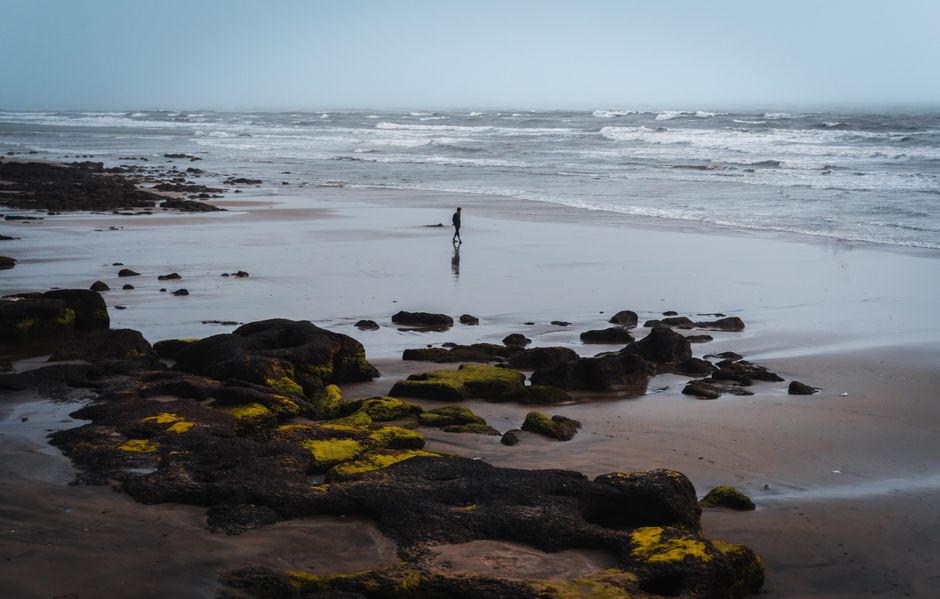
1. Morjim Beach (Low-Wave Learning Stretch)
Morjim is one of the more popular North Goa SUP zones because you can often find relatively gentle water close to shore — particularly in the morning. If you’re new, aim for a guided session and pick a start point that gives you space to fall, get back on the board, and practise turns without getting pushed sideways.
Also keep an eye on wind direction: cross-shore wind can turn a “calm” beach into a challenging paddle workout quickly.
Location: Morjim Beach, North Goa
2. Ashwem Beach (Open-Coast, Early-Morning Friendly)
Ashwem can be a great beginner option when conditions are settled. It’s wide, so your operator can typically choose a line along the shore that avoids the choppier edges.
For first-timers, the key is timing: go earlier in the day to reduce wind and glare off the water.
Location: Ashwem Beach, North Goa
3. Mandrem Beach (Quiet Corners for Gentle Practice)
Mandrem often feels calmer than the busier stretches further south, which makes it a common pick for people trying SUP for the first time. Look for calmer water close to shore and let your instructor set the pace rather than drifting further out.
If you see wind ripples building or whitecaps in the distance, shift your plan: a different beach, a different time, or a shorter session is usually the safer call.
Location: Mandrem Beach, North Goa
4. Sinquerim Beach (Fort Aguada Side)
The Fort Aguada area (Sinquerim side) can work well when the sea is not too rough. You’ll sometimes find smoother water closer to shore compared to more exposed coastline, which is helpful for balance practice.
For beginners, choose a spot where you won’t have to paddle directly into the wind for long. Your guide’s positioning matters more than the beach name.
Location: Sinquerim Beach, North Goa
5. Dona Paula Beach (Bay Feel for First Sessions)
Dona Paula is known for its bay-like feel near the headland area around Panaji, which can translate into more manageable conditions on certain days. That’s especially useful for learning basics like standing safely, adjusting foot placement, and maintaining a straight line.
SUP is still affected by breeze, so don’t rely on “it looks calm” — ask the operator to assess the water before you launch.
Location: Dona Paula, Goa
6. Caranzalem Beach (Near Panaji Water Sports Area)
Caranzalem sits close to Panaji and is often included in guided water-sports itineraries. For beginners, the advantage of staying near the city is that you can move your plan around fast if the wind picks up.
Expect a session that’s focused on technique: starts, gentle turns, and learning how to stop and recover without panicking.
Location: Caranzalem Beach, Goa
Best SUP Beaches in South Goa
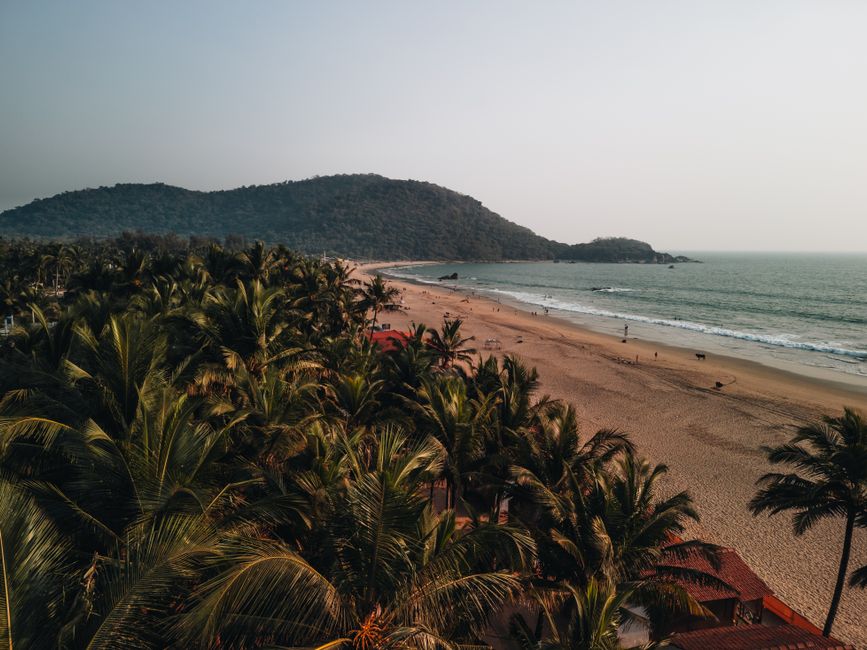
7. Cavelossim Beach (Long Beach, Good for Controlled Paddles)
Cavelossim offers long stretches of coastline where guided operators can choose a practical launch line. When the sea is relatively calm, it’s a solid option for learning how to keep your balance while moving forward and back.
As always, check the water for chop: if the surface is breaking unevenly near where you’re meant to stand, switch to a different time rather than “pushing through”.
Location: Cavelossim Beach, South Goa
8. Varca Beach (Beginner-Friendly When Wind Drops)
Varca can be a good beginner beach when wind is low and the waves are small. The open shoreline still demands correct timing — afternoon breeze can turn SUP into a constant fight.
If you’re booking, ask whether they recommend a particular departure time for that beach on the day you want to go.
Location: Varca Beach, South Goa
9. Mobor Beach (Water-Action Nearby, Easy to Practise)
Mobor is another South Goa option where you can find SUP activity, especially when the conditions are right for inshore paddling. It’s useful for practising foundational skills: standing posture, light forward strokes, and turning without losing balance.
A good guide will keep you in the “learning zone” — close enough to shore for confidence, far enough to practise movement.
Location: Mobor Beach, South Goa
10. Colva Beach (Big-Cardio Option for Later Beginners)
Colva can suit learners who already feel comfortable standing and paddling steadily. On calmer days it works well for longer, continuous paddles along the shallows.
If you’re brand new, consider starting earlier and picking a guide who can keep you out of any rougher water pockets.
Location: Colva Beach, South Goa
11. Palolem Beach (Scenic Coves, Choose Launch Points Carefully)
Palolem’s coves make it a favourite for SUP days with clear water and good visibility. Because the shape of the coast creates different wind pockets, your launch location matters a lot.
Beginner tip: ask your instructor to explain the “easy side” to paddle on that day, so you’re not battling current and gusts right from the start.
Location: Palolem Beach, South Goa
12. Agonda Beach (More Space for Relaxed Practice)
Agonda often feels more open and spacious, which can be a plus for first-timers who want room to practise without constant foot traffic around the waterline. When conditions are settled, it’s a comfortable place to focus on balance and controlled movement.
Always follow the operator’s call about whether it’s a “go” day — if the sea looks messy beyond the launch area, learning will become harder than it needs to be.
Location: Agonda Beach, South Goa
How to Book SUP in Goa Safely (Wind, Tide & What to Pack)
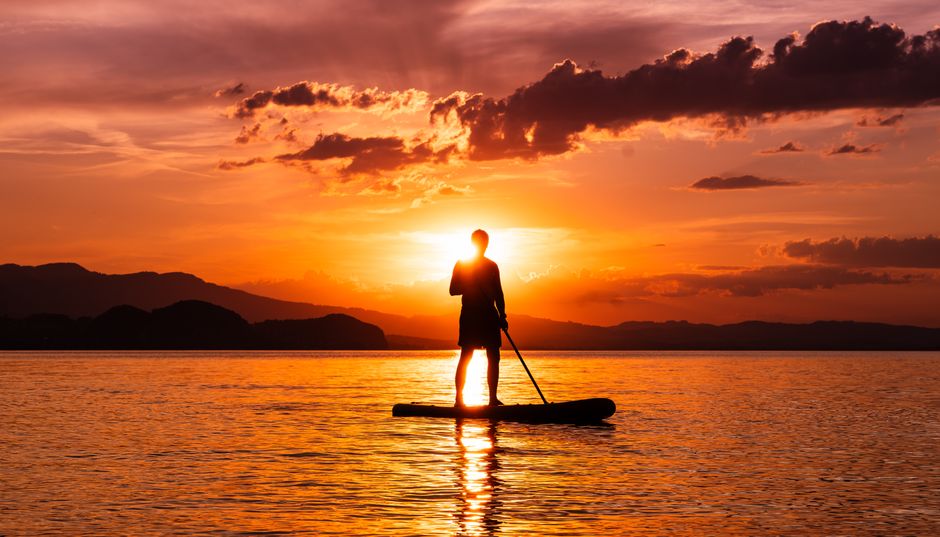
Conditions that matter (wind, swell and tide)
- Wind: The most common beginner problem is a headwind or crosswind that turns every stroke into work. Morning sessions tend to be calmer on many days, while afternoon breezes can kick in.
- Swell & waves: Even on sunny days, you can get lumpy water. If waves break close to shore or you see choppy patterns where you’d launch, choose a different time (or a different beach).
- Tide (sea level): In some areas, changing water levels can affect how smooth the inshore zone feels. A local guide will usually pick a launch point that stays manageable for learning.
If you want the simplest “decision rule”: book a time early enough to allow a weather change and confirm conditions with the operator when you arrive.
Typical duration (what to expect)
A beginner SUP session is often structured around a short safety briefing and technique coaching, then practise time. Many sessions run about 60–90 minutes in total, with a bit of variation depending on beach conditions and group size.
Plan to feel tired in a good way — SUP is core work and stabilising work, even when you’re not going far.
What to pack (don’t overthink it)
- Footwear: Water shoes or non-slip sandals (helps with stepping on uneven surfaces).
- Sun protection: Sunscreen (that doesn’t sting your eyes), sunglasses with a secure strap, and a hat.
- Clothing: Quick-dry clothes; a rash guard is useful for comfort and sun.
- Dry storage: A dry bag for phone/keys so you’re not relying on “I’ll just keep it in my towel”.
- Hydration: Bring water — especially if your session is in the heat.
Most operators provide the board and a life jacket if needed for their safety standards, but you should still confirm what’s included when you book.
How to book safely (and avoid common mistakes)
Here’s a safe booking checklist you can use by WhatsApp or at the shop:
- Choose a guided lesson if you’re new. A coach can place you in the safest start zone and fix posture quickly.
- Confirm equipment quality: proper SUP board size for beginners, a suitable paddle, and safety gear.
- Ask about the “go/no-go” weather rule: a responsible operator will pause or reschedule if wind/swell makes it unsafe.
- Get clarity on recovery: ask what happens if you fall in (where you’ll stand, how they’ll help you). If answers feel vague, find another provider.
- Check the launch location: the beach itself matters less than where you actually enter the water.
For finding guided SUP options without endless searching, you can look at Viator where many Goa SUP experiences list meeting points and inclusions.
If you’d like, tell us your beach base (North Goa or South Goa) and your experience level (first time vs. already tried SUP once), and we can suggest which of the spots above usually matches your comfort level best.
Frequently Asked Questions
Is SUP in Goa safe for complete beginners?
Yes, when you choose beginner-friendly stretches and book a guided session. Safety depends more on wind/waves that day than on the beach name.
What’s the best season for SUP in Goa?
Generally, the drier months (around late autumn to early spring) offer more predictable conditions. Monsoon season can bring rougher seas and stronger winds.
Do I need to know how to swim?
You should be a confident swimmer, but a good operator will keep you in shallow, controlled water and provide safety guidance.
How long does a typical SUP session take?
Most beginner sessions run about 60–90 minutes total, including briefing and practise.
What should I wear for SUP?
Quick-dry clothing, water shoes (or secure non-slip footwear), and sun protection. A dry bag is very handy for your phone and essentials.
Where can I book SUP in Goa?
Many hotels, local activity shops, and tour listings offer guided SUP. For safety, confirm what’s included (board, paddle, safety briefing) and ask about weather rules.