
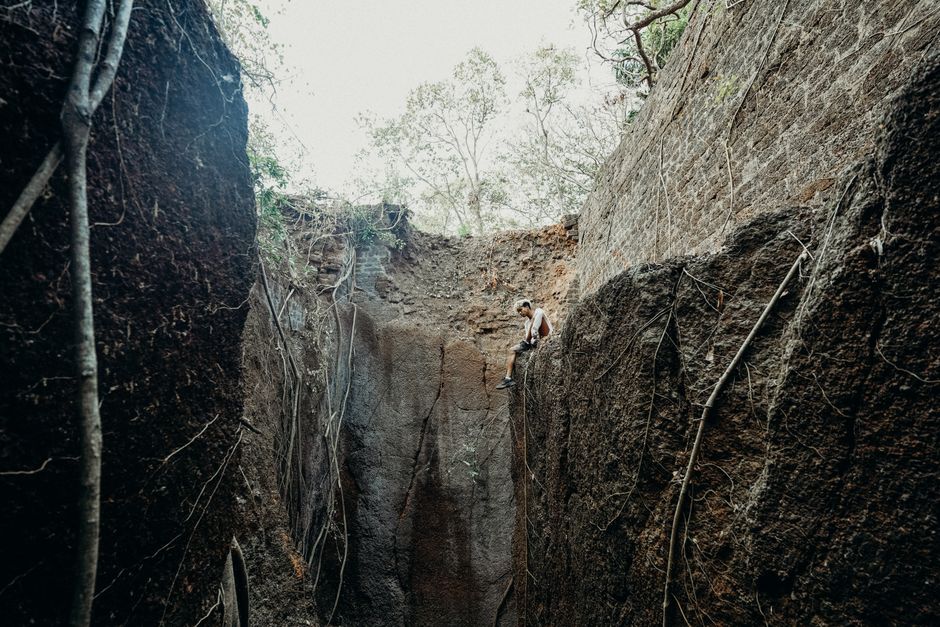
Goa isn’t only about beach days—if you’re into bouldering and rock climbing, the state’s coastal rock faces and fort headlands give you compact, technical sessions with big scenery. This guide covers the best places to practise outdoor lines (North and South Goa), plus what difficulty usually feels like in Goa and how to book a first session safely.
You’ll notice Goa’s climbing is often less about long, high routes and more about short problems, tricky footwork, and managing the environment (salt spray, slick laterite in humidity, and sudden wind). Adding the cherry on the cake: many of the best areas are close to Panaji, so you can squeeze in a session before or after beach time.
Where to Boulder Outdoors in North Goa

1. Chapora Fort (Coastal Climbing Zone)
Chapora Fort’s rocky edges and headland sections are what many visitors associate with outdoor climbing in this part of Goa. Expect compact climbing areas with lots of natural variation: you can find beginner-friendly scrambling and bouldering-style movement near the topography, while more sustained lines tend to be intermediate.
Difficulty in North Goa often leans technical rather than “powerful and overhanging”. You’ll usually be working on foot placements, balance, and moving between small features—so even when the height is manageable, the holds can demand focus.
Notable Attraction: Coastal fort rock for bouldering-style climbing and technical footholds.
Top Facilities:
- Day-use access from the fort area
- Good visibility over the Arabian Sea
- Natural rock features for short sessions
- Ideal for warm-up circuits
Nearest Restaurants: - Britto’s (Chapora)
- Reis Magos Resort Restaurants (near Reis Magos)
Location: Chapora, Goa
2. Fort Aguada (Sinquerim) (Rocky Sea-Edge Sessions)
Fort Aguada (Sinquerim) is a well-known landmark, and climbers also use the surrounding rocky sections for outdoor practice when conditions allow. Think “edge-to-edge” movement: short sequences, balance problems, and plenty of opportunities to train your body tension.
Because you’re dealing with a coastal environment, grip changes quickly with humidity and sea spray. If you’re new, prioritise low-height practice, keep a safe distance from the strongest wave impact zones, and always move slowly—foot slippage is the common beginner mistake on humid days.
Notable Attraction: Sea-edge rock practice with short, technical sequences.
Top Facilities:
- Open fort area for warm-ups
- Multiple vantage points for spotting safe lines
- Plenty of movement variety for first sessions
- Access close to central North Goa beaches
Nearest Restaurants: - Fisherman’s Wharf (Sinquerim)
- Vinayak Restaurant (Candolim)
Location: Sinquerim, Goa
3. Reis Magos Fort (Ribandar) (Headland-Style Problems)
Reis Magos Fort sits on a headland with rock that’s well suited to bouldering-style exploration. It’s a practical spot for training “controlled movement”: stepping up, finding stance, and learning how to read the rock surface before committing.
Typical difficulty here ranges from beginner-friendly movement near the base and pathways to more intermediate lines as you move towards the steeper sections. For your first session, plan to stay low, use guided spotting (or a rope if you’re being taught), and focus on improving technique rather than chasing height.
Notable Attraction: Headland rock features for technique-focused bouldering.
Top Facilities:
- Fort-area access for short practice rounds
- Great for learning balance and stance
- Ideal for low-height drills
- Easy to pair with nearby river/coast walks
Nearest Restaurants: - Fisherman’s Wharf (near Panaji/Candolim side)
- Sabores (Porvorim)
Location: Ribandar, Goa
4. Tiracol Fort (Fort Tiracol) (Beginner to Intermediate Outdoors)
Fort Tiracol is a striking North Goa fort near the Tiracol River mouth. Climbers and adventure groups often visit this area for outdoor climbing practice because the headland gives you natural rock geometry and varied movement options.
In terms of difficulty, you can usually find easy to intermediate routes for practising controlled stepping and body positioning. If you’re aiming to progress beyond basics, do it with a local guide who knows which rock faces are stable and how to approach safely from the ground.
Notable Attraction: Fort headland rock with varied outdoor movement options.
Top Facilities:
- Scenic headland setting for focused practice
- Natural terrain for warm-up circuits
- Variety of low-to-mid-height lines
- Good spot for technique repeats
Nearest Restaurants: - The Fisherman’s Wharf (Mapusa/Candolim side)
- The Binge (Panaji side)
Location: Tiracol, Goa
Outdoor Climbing Spots in South Goa

5. Cabo de Rama Fort (Cliff-Edge Practice)
Cabo de Rama Fort is one of South Goa’s iconic cliff-and-fort landscapes, and it’s often on the list for outdoor climbing-style practice. Sessions here tend to be movement-heavy: short sequences, interesting edges, and lots of scope for training how you place your feet before committing to the next handhold.
Difficulty typically ranges from beginner to intermediate depending on where you start and the line you choose. If you’re new, spend your first outing learning how to read the rock—especially around areas where the surface can feel smoother after coastal dampness.
Notable Attraction: Cliff-edge rock practice with technical stance work.
Top Facilities:
- Fort area for planning starting points
- Natural “bouldering” training zones
- Great for short, repeatable sessions
- Works well for technique drills
Nearest Restaurants: - Martin’s Corner (Agonda side)
- The Fisherman’s Cove (Agonda side)
Location: Cabo de Rama, Goa
6. Cola Beach (Rocky Sections for Movement Drills)
Cola Beach may look like a classic beach day from a distance, but the nearby rocky areas make it a practical place for outdoor movement drills. This is best treated as “bouldering-style exploration” rather than chasing tall climbing—stay mindful of footing around tide-influenced zones and keep an eye on wet rock.
As a first-session target, Cola Beach can be great for learning balance and simple sequencing. Difficulty feels more accessible when you focus on low problems and careful footwork; it becomes more demanding when you start moving across steeper or more exposed terrain.
Notable Attraction: Rocky coastal zones for low-height bouldering-style movement drills.
Top Facilities:
- Easy to combine with a beach walk
- Low-height practice opportunities
- Good for controlled sequencing
- Scenic, distraction-free practice time
Nearest Restaurants: - Café Bamboo (Cola/Umbhar area)
- Fisherman’s Basket (Canacona side)
Location: Cola, Canacona, Goa
How to Prepare for Your First Bouldering or Climbing Session in Goa
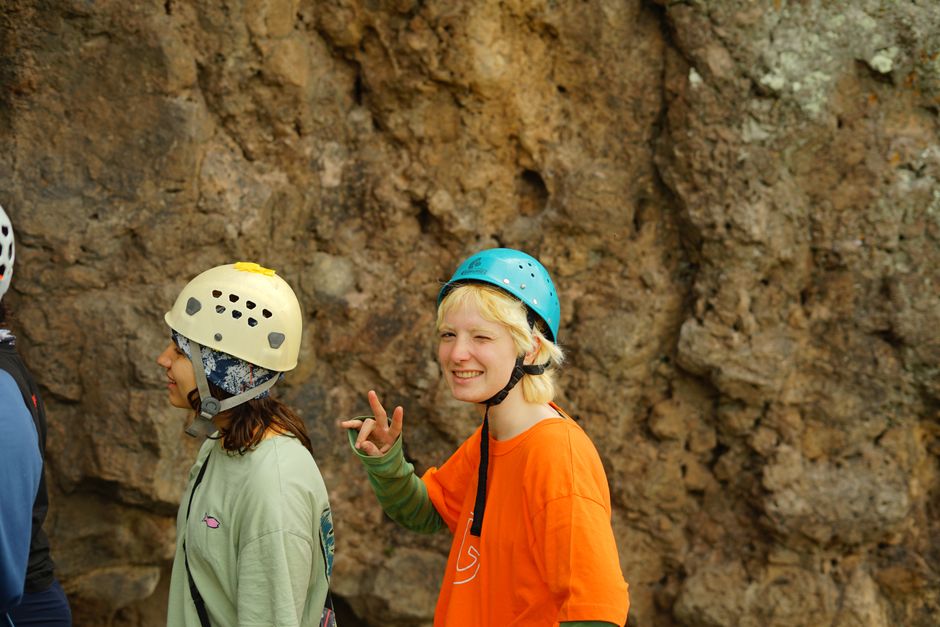
Here’s what we recommend you book and bring:
1) Book a guided first session (even for bouldering). Outdoor bouldering in Goa isn’t a studio where everything is padded and supervised. A guide/instructor helps you choose a safe starting line, teach proper spotting, and show you how to avoid fragile or slippery sections. If you prefer to compare options, Viator often lists Goa adventure experiences with trained instructors.
2) Ask for gear you’ll actually use. For a first session, you’ll want:
- Proper climbing shoes (not just “gym trainers”)
- A chalk strategy (chalk bag or just chalk)
- Helmet and a plan for spotting (if height/exposure increases)
- A harness only if the session includes roped climbing/short lead practice
If the provider is supplying gear, confirm sizes and condition. Shoes that are too loose feel safe initially, but they make foot placements inaccurate—often the reason beginners slip.
3) Pick the right difficulty. In Goa, “easy” can still be technical. A good first-session difficulty level is typically:
- Beginner-friendly: low-height movement, good handholds available, simple foot placements
- Intermediate practice: steeper stances and smaller holds, requiring patience and body tension
We recommend you stay in the beginner band for your first outdoor session, then progress only after you feel consistent control. Chasing height before technique often leads to rushed moves.
4) Plan around conditions. Goa’s coastal humidity can change grip quickly. Before you start:
- Avoid climbing immediately after heavy rain
- Choose earlier hours for better friction
- Watch for sea mist and slick laterite
If you’re coming from Panaji, you can often do a quick morning session and still enjoy a relaxed beach day afterwards.
5) Know what to expect on rock. Many Goa outdoor training areas are about texture and balance. Even when holds look “there”, the first session teaches a bigger lesson: it’s about how you load your feet and where you keep your hips. Expect to feel awkward for the first 30 minutes—that’s normal.
Finally, remember that forts and coastal areas may have access rules or local restrictions. Ask your guide about where to walk, where not to climb, and how to respect signage and local guidance. When in doubt, choose the line that keeps you low, controlled, and out of restricted zones.
Frequently Asked Questions
Is bouldering in Goa beginner-friendly?
Often yes—if you stay low and choose lines that prioritise stable footing and clear handholds. The technical nature can make “easy” feel challenging at first, so guided practice helps.
Do I need a climbing gym in Goa to start?
Not necessarily. Goa’s standout experiences are outdoor practice areas, but a gym-style introduction with a coach can make your first outdoor session safer.
What should I book for my first session?
Book a guided introductory session (even for bouldering) and confirm shoe/helmet/harness expectations based on whether you’ll practise only low problems or also rope work.
What’s the best time of year to climb in Goa?
The cooler, drier months generally feel best for outdoor sessions. Aim for mornings and avoid days right after heavy rain.
What gear should I bring?
Climbing shoes and a chalk plan are the basics. If you’re going outdoors with an instructor, follow their guidance on helmets and any rope/anchor equipment.
Are forts and beaches open for climbing?
Access rules can vary by area and time. Always follow local signage and ask your guide about permitted routes and safe starting points.