
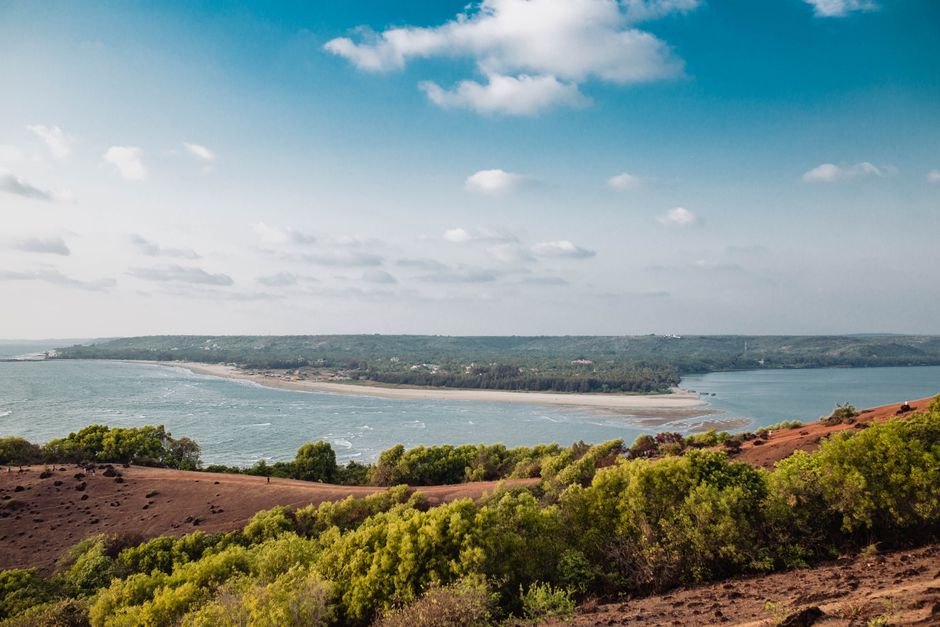
Want to be on horseback along Goa’s shoreline, with the sound of waves doing the soundtrack? This guide covers the best beaches where horseback riding is commonly offered, plus when to go and what to ask before you book.
You’ll also get clear safety pointers for beach riders (especially first-timers) and the insurance checks people often miss—so your Goa trip stays fun, not stressful.
Best Beaches for Horseback Riding in North Goa

North Goa rides are typically short, slow-guided routes along the shore—often chosen for calmer mornings and visibility. Because crowd levels and sea conditions change quickly, always confirm the planned route with the handler before you mount.
1. Calangute Beach (Classic North Coast Ride)
Calangute is one of the best-known tourist beaches in North Goa, and you’ll usually find horseback riding offered by local handlers in the more manageable parts of the beach. If you’re aiming for an easy first ride, choose an early slot to avoid the highest footfall.
What to expect: most rides are “beach stroll” style rather than long-distance routes. Ride only where the guide directs you—if the sand is uneven, crowded, or the shoreline is busy with swimming, pause the plan and choose a calmer stretch.
Location: Calangute, North Goa, Goa
2. Baga Beach (Seafront Stroll Sessions)
Baga’s long coastline makes it convenient for guided horseback rides along the sand. It’s a good pick if you want the classic North Goa beach vibe—just be selective about timing.
Because Baga can get lively, book for the cooler morning hours and ask where the ride will take you (and where it will not). If you’re unsure, ask for a dry-sand route and keep the ride strictly to the handler-approved area.
Location: Baga, North Goa, Goa
3. Candolim Beach (A Steadier, Family-Friendly Stretch)
Candolim is often a smoother choice for riders who prefer a slightly less chaotic feel than the busiest sections of Calangute/Baga. Horseback riding is commonly arranged through local handlers in the beach areas where access is easy and the route can be controlled.
To keep things safe, prioritise calm conditions and a guided ride. If your handler mentions the possibility of deeper water or rougher surf, politely decline—Goa beach riding is best kept to stable sand with clear instructions.
Location: Candolim, North Goa, Goa
4. Betalbatim Beach (South-Coast Ride-Friendly Pace)
Betalbatim (just south of Benaulim) is known for a laid-back, slower rhythm compared to the most hectic beach strips. That makes it a practical option for a relaxed ride where you can enjoy sea views without constantly navigating crowds.
Ask how far you’ll go and what pace you’ll be kept at. A good ride feels “unhurried”—if the plan sounds rushed or unclear, choose another time or another beach stretch.
Location: Betalbatim, South Goa, Goa
Best Beaches for Horseback Riding in South Goa
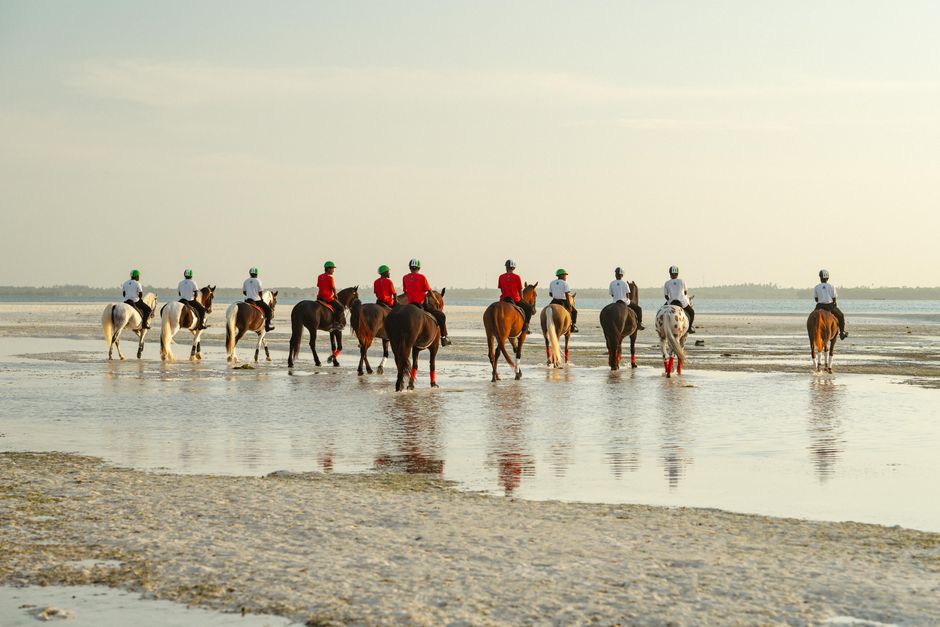
South Goa often has smoother logistics for beach riding because you’ll find plenty of handlers operating along long coastal stretches. That said, “available” doesn’t always mean “safe”—weather and wave conditions matter, especially in Goa’s monsoon season.
5. Palolem Beach (Scenic, Guided Shore Rides)
Palolem is a favourite for travellers who want a picturesque beach and a calmer vibe. Horseback riding is commonly offered along stretches where a handler can guide the horse safely without creating hazards for swimmers.
For the best experience, aim early morning and confirm whether the route stays on sand. If it’s windy or the sea looks rough, choose a different activity rather than pushing through.
Location: Canacona, South Goa, Goa
6. Agonda Beach (Slow-Morning Coastal Rhythm)
Agonda’s coastline is often calmer and more spacious, which can be ideal for a gentle horseback ride. Riders usually get a slow, guided route designed for comfort and control.
If you’re travelling with children or you’re a complete beginner, this is the kind of beach where you can request an “easy pace” and a short route. Don’t be shy about speaking up—your safety briefing should happen before you mount.
Location: Agonda, South Goa, Goa
7. Colva Beach (Well-Known, Mostly Easy Access)
Colva is a mainstream South Goa beach with lots of tourism infrastructure around it. That usually means horseback riding is easier to arrange, particularly for visitors who want a straightforward plan.
Before booking, ask for the ride length and the exact route style (for example: walking pace only). If you see saddles that look poorly maintained or handlers who don’t guide riders step-by-step, switch to another operator or skip the ride.
Location: Colva, South Goa, Goa
8. Benaulim Beach (Long Sands, Seafront Views)
Benaulim is a solid option if you’re looking for a longer coastline experience with sea-front scenery. Horseback riding is commonly offered here, often as guided beach routes.
Go early for better footing and cooler air. If there’s strong surf or the shoreline is crowded with swimmers, ask whether your ride will be adjusted or delayed—sticking with the safest alternative is always the better call.
Location: Benaulim, South Goa, Goa
Best Time to Ride: Timing, Seasons, and What to Ask Before Booking

Ideal morning timing
For beach horseback riding, the sweet spot is usually early morning—think roughly 7:00–10:00 am—when temperatures are cooler and beach conditions are calmer. It also helps your handler manage the route without juggling peak crowds.
If you’re riding later in the day, watch out for two things: heat on sand (especially in summer) and reduced visibility when the beach gets busy. If the handler seems rushed or can’t clearly explain the route, that’s your cue to slow down and reassess.
Best seasonal window
Goa’s best overall riding conditions typically align with the dry season (roughly November to March)—more stable weather, less muddy terrain, and fewer days where beach activities get interrupted.
During monsoon months (roughly June to September), beaches can be windy and sea conditions can change quickly. In those periods, it’s common for riding plans to be limited or cancelled for safety reasons. Your best move: ask the day-of whether the route is approved for the current sea state.
What to ask before you book (a quick checklist)
Use this before you hand over money or sign anything. A responsible operator will answer clearly without pressure.
- Where exactly will the horse walk? Ask for the planned route type: “dry sand only” vs. “near water.”
- How long is the ride, and at what pace? You want slow walking for beach riding—especially for beginners.
- Is this suitable for my experience level/age? Ask about comfort level, mounting help, and any height/weight limits.
- What safety gear is provided? If helmets aren’t offered, ask if the operator can provide one. At minimum, insist on a proper saddle fit and stable stirrups.
- Who will lead the horse? Confirm whether a guide stays with you throughout (not just at the start).
- What happens if conditions change? Ask about cancellations or route changes due to wind, waves, or crowding.
- What should I wear? A reputable operator will mention closed shoes and practical clothing (nothing loose that can snag).
If you want to compare options without relying on word-of-mouth, you can also check reviews on Viator listings—then still apply the checklist above once you shortlist a handler.
Safety Tips and Insurance Considerations for Goa Beach Horse Riding
Horse riding on beaches can be genuinely enjoyable—when it’s done carefully. The goal is to keep risk low: stable sand, a controlled pace, clear instructions, and coverage that actually matches the activity.
Safety rules to follow during the ride
- Skip riding in rough surf or strong wind. If the shoreline is active with waves, don’t “try anyway.” Choose another time or activity.
- Be strict about where you’re allowed to go. Don’t ride ahead of the guide or wander into swimmer zones.
- Wear closed shoes with grip. Flip-flops and slippery sandals are a common reason for slips when mounting/dismounting.
- Avoid loose clothing and accessories. Anything that can snag (dangly straps, long loose belts) should stay secured.
- Stay calm and listen to instructions. Sudden movements can stress a horse; your guide should lead every change in direction.
- Don’t ride if you feel unsteady. If your balance isn’t confident before you start, ask to dismount early.
Animal welfare (it affects your safety)
A safe ride is often a result of good animal handling. Before mounting, look for signs of responsible care:
- tack that looks secure and fitted (not slipping wildly)
- a handler who keeps control rather than shouting or yanking
- the horse not looking overly agitated (if it is, pause and ask for changes)
Insurance: what to check before you go
Many standard travel policies treat “adventure activities” differently. Horseback riding can fall under coverage exclusions depending on your insurer.
Before your Goa trip, contact your insurer (or check the policy wording) for three points:
- Does the policy cover horseback riding specifically?
- Is beach riding included? Sometimes the location/terrain category matters.
- What medical and emergency evacuation costs are covered?
If your current policy doesn’t cover it, consider alternative coverage before you ride. Also keep any booking receipts and receipts for any additional coverage you arrange.
The safety mindset that works
If you remember one thing: don’t negotiate on safety. If a route is unclear, helmets aren’t offered (and you feel you need one), or conditions look unsafe, it’s perfectly okay to skip the ride. Goa gives you plenty of alternatives—beach time, kayaking, and simply exploring coastal cafés.
Frequently Asked Questions
Is horseback riding on Goa beaches safe for beginners?
It can be, but only if you pick an operator who guides you step-by-step, keeps the pace slow, and chooses stable sand away from rough surf.
What time of day is best for beach horseback riding in Goa?
Early mornings (around 7:00–10:00 am) are usually the most comfortable and calmer for routes and visibility.
Can I book horseback riding during monsoon season?
Sometimes, but it’s less consistent. Ask day-of about wind and sea conditions, and be prepared for cancellations for safety.
What should I ask before mounting a horse?
Ask where you’ll ride (dry sand vs near water), ride length/pace, whether a guide leads the horse throughout, and what safety gear (like helmets) is available.
Do I need travel insurance for horseback riding in Goa?
Check your policy wording. Many insurers exclude or limit horseback riding as an “adventure” activity, so confirm coverage before you ride.
What should I wear for beach horseback riding?
Wear closed, grippy shoes and secure clothing with no loose straps. Avoid flip-flops and anything that can snag in the saddle area.