
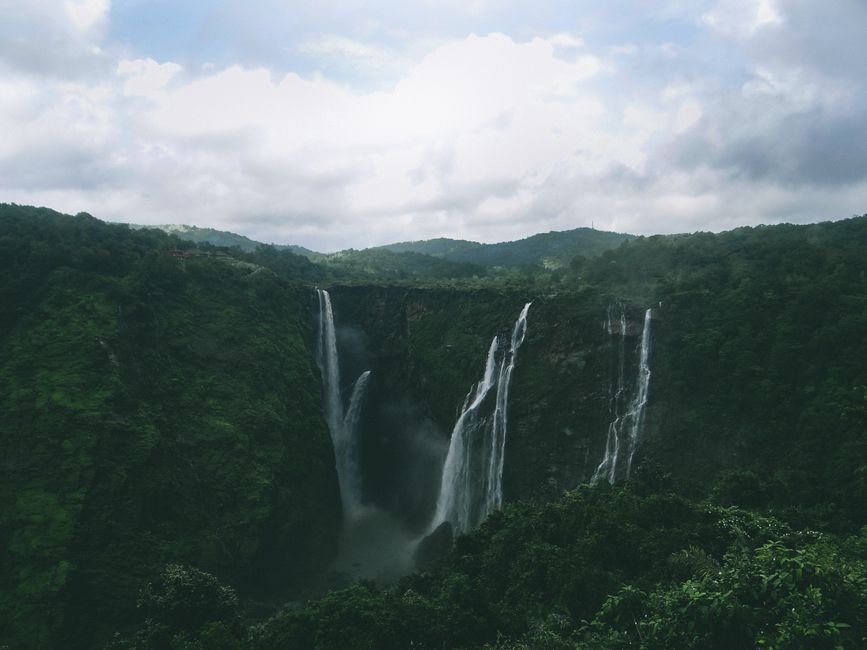
Want to hear the rail-tracks fade into jungle roar, then step out near a waterfall in monsoon-season Goa?
This guide builds an end-to-end wet-season plan from Margao (Madgaon)—with route options to Dudhsagar, when to leave, what to watch out for, and backup waterfall stops across South Goa and the Goa–Karnataka belt.
Best Monsoon Months From Margao
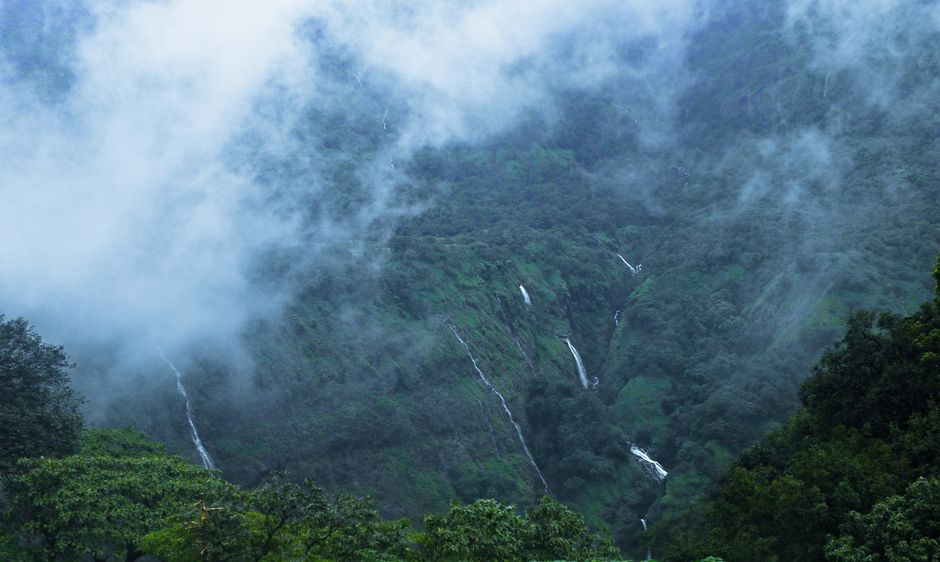
In practice, that means:
- Aim for mid-week if possible (fewer crowds on rail and at popular forest edges).
- Choose days when heavy rain is forecast earlier in the morning rather than continuing all day.
- Plan for slow movement: road connections can take longer in downpours, and train timings can shift.
For a one-day itinerary, the sweet spot is usually leaving early and being ready to switch plans if the sky doesn’t clear.
Dudhsagar Day Trip Route Planning From Margao

1) Start from Margao the right way (train-first logic)
From Margao, the simplest monsoon approach is to go by rail towards the Dudhsagar stretch, then do the short walk/trek approach to the falls area. In wet weather, this approach reduces the number of “will the roads be okay?” variables.
Best departure time (for one-day planning):
- Plan to reach the rail boarding point in the early morning (think first half of the day), so you still have time to pivot if rain intensifies.
- The exact train schedule changes seasonally, so check the current Konkan Railway / Indian Railways timetable for your travel dates and target the trains that get you to the Castle Rock or Dudhsagar drop zone with enough daylight.
2) Ticketing pointers you’ll actually use
- Tickets: In monsoon, bookings can sell out on popular slots. Check seat availability well ahead.
- Route clarity: Confirm the boarding station and the disembark station before you travel. Dudhsagar is accessed from stations in the Goa–Karnataka border belt—don’t assume “closest” without verifying.
- Buffer: If your day trip is tight, build in a buffer for delays. Monsoon can cause brief interruptions and late-running trains.
3) Wet-season safety mindset (non-negotiables)
Waterfalls in monsoon can look photogenic—but the ground and access paths can change quickly.
- Wear non-slip footwear (the approach can get muddy and slippery).
- Keep valuables in a waterproof pouch.
- If you see warning boards near the access points or gates, follow them.
- Avoid getting close to water edges during heavy flow; the current can be stronger than it looks.
4) A realistic end-to-end flow
Here’s a solid pattern you can follow:
- Early start from Margao.
- Train to the Dudhsagar access side.
- Move towards the falls (short walk/trek depending on where you disembark and current access).
- Spend time watching the falls (not rushing for photos).
- Start your return with enough margin—late afternoon departures can get tricky if you wait too long.
5) Backup plan if Dudhsagar isn’t cooperating
Use Dudhsagar as the “plan A”. Your “plan B” should be either:
- Another waterfall zone reachable with fewer moving parts (often via a different forest belt), or
- A forest/river sanctuary viewpoint that still feels like a monsoon outing even if a specific waterfall access is limited.
The sections below include named alternatives that work as real backups from this region.
Dudhsagar Route Checkpoints (Train to Falls)

1. Madgaon Junction Railway Station (Start Point)
Madgaon (often written as Madgaon Junction) is your natural rail start when you’re staying around Margao. In monsoon, starting from a station you know well helps you keep the day simple if weather or timings shift.
Use the morning to your advantage: once you’re on the rail route, you’ll spend less time worrying about road conditions.
Location: Margao (Madgaon), Goa
2. Castle Rock Railway Station (Popular Drop Zone)
Castle Rock is a key station on the rail corridor used by travellers heading towards Dudhsagar access points. In wet season, you’ll find that people often choose this drop depending on the day’s walking approach.
Before you commit to a specific disembark plan, keep an eye on current access guidance near the station and trust your comfort level with the monsoon ground.
Location: Goa–Karnataka border railway belt, Goa
3. Dudhsagar Railway Station (Closest Rail Access)
Dudhsagar Railway Station sits on the rail line used for Dudhsagar access. If you want the “least rail + most falls time” approach, this is the station most closely associated with reaching the falls area.
Because monsoon conditions can change quickly, treat this as your straightforward option, then fall back to a different access point if you feel the approach isn’t safe.
Location: Goa–Karnataka border railway belt, Goa
4. Dudhsagar Waterfall (Primary Monsoon Goal)
Dudhsagar Waterfall is famous for its high water volume during the monsoon and for the dramatic contrast of white water against green hillside. In rainy months, it’s one of the most “Goa-specific” waterfall experiences—especially if you’re using the rail-to-falls approach.
For a day trip from Margao, plan your time around flow and visibility. If rain is heavy, prioritise safe viewing from approved areas rather than trying to get closer to the spray.
Location: Dudhsagar, Goa–Karnataka border (near Bhagwan Mahavir/Mollem area)
Waterfall Alternatives & Backup Stops
If Dudhsagar access feels unsafe or travel times stretch, don’t cancel the whole monsoon mood. These named spots give you alternative “waterfall day trip” energy while keeping route planning practical from Margao.
5. Tambdi Surla Waterfall (Sanguem Monsoon Stop)
Tambdi Surla Waterfall is a well-known monsoon option in South Goa’s Sanguem belt. It’s a strong alternative when you want waterfall views without hinging the whole day on a single rail corridor.
Make this your “plan B” when rain is cutting through the Dudhsagar approach, especially if you’d rather shift to road + local trails.
Location: Tambdi Surla, Sanguem, Goa
6. Netravali Wildlife Sanctuary (Monsoon Waterfall Country)
Netravali Wildlife Sanctuary is a natural backup zone for monsoon travellers. Even when a specific waterfall access point is limited, the sanctuary approach gives you the forest-and-water vibe—streams, seasonal flow, and monsoon greenery.
In wet weather, always check local guidance at entry points and plan to walk only within conditions that feel safe.
Location: Netravali area, Goa
7. Kakolem Waterfall (South-North Goa Switch-Up)
Kakolem Waterfall is another popular monsoon waterfall stop in the Goa hinterland circuit. It’s often chosen as an alternative because it still delivers the “rain + cascade” payoff even when Dudhsagar logistics become stressful.
Use Kakolem as a practical substitute for a one-day plan: it keeps your focus on waterfall time while giving you flexibility if you’re adjusting routes from Margao.
Location: Kakolem area, Goa
8. Mollem National Park (Bhagwan Mahavir) (Forest + Rain Energy)
Mollem National Park—also associated with Bhagwan Mahavir—is one of Goa’s most recognisable forest destinations. In the monsoon, it’s not just a “wildlife park” outing; it becomes a damp, green, water-rich experience.
If waterfall access is complicated on a given day, staying within this broader forest ecosystem helps you keep the day outdoors—without forcing the exact same cascade route.
Location: Mollem, Goa
9. Cotigao Wildlife Sanctuary (South Goa Wet-Season Backup)
Cotigao Wildlife Sanctuary adds a South Goa alternative when you want to keep things closer to the southern side of the state. In monsoon, the landscape looks different, and the “river + forest” feel can still work for a day trip even if a waterfall plan changes.
It’s a good option if you’d rather avoid long border-belt travel after a day of heavy rain.
Location: Cotigao area, Goa
10. Kulem Railway Station (Road-Trending Gateway)
Kulem Railway Station can be a useful “route adjustment” point depending on where your backup waterfall plan sits. For monsoon day trips from Margao, having a mid-corridor station helps you reshape your route if trains run late.
Think of Kulem as a steering wheel for the day: it gives you another rail anchor, especially if you’re trying to keep the fallback plan smooth.
Location: Kulem, Goa
Frequently Asked Questions
Is Dudhsagar accessible in monsoon, or does it shut down?
Dudhsagar is commonly visited in monsoon, but access and approach conditions can change with rain. Always follow on-site guidance at access points and be ready with a named alternative plan.
What’s the best time to leave from Margao for a Dudhsagar one-day trip?
Aim for an early departure so you have buffer for delays and still get daylight for the waterfall approach and return.
Are there safe alternatives to Dudhsagar if the weather is too heavy?
Yes—Tambdi Surla, Kakolem Waterfall, and monsoon-friendly sanctuary zones like Netravali Wildlife Sanctuary, Mollem National Park, and Cotigao Wildlife Sanctuary are common backup picks.
Do I need tickets or permits for the waterfall routes?
For rail access, you’ll need valid train tickets. For forest/sanctuary areas, follow local entry rules and any guidance at entry points—requirements can vary by access route.
Can I swim at these waterfalls in monsoon?
Treat swimming as risky in monsoon. Water flow and submerged surfaces can be dangerous; stick to safe viewing areas and follow any safety signage.
What should I pack for a monsoon waterfall day trip?
Waterproofing is key: non-slip footwear, a waterproof bag/pouch for electronics, quick-dry clothes, and a light rain layer help you stay comfortable through muddy, wet access paths.