
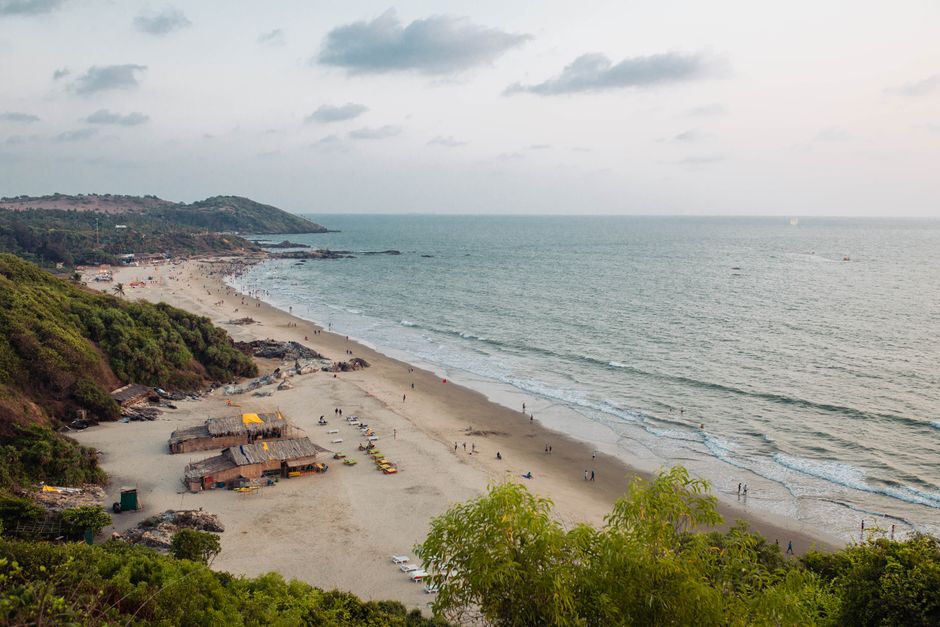
Want to spot colourful sea life without feeling rushed into deep water? South Goa is often where first-timers find the balance between clear coastal shallows and guided, step-by-step training.
This guide walks you through what to book (and how soon), the ideal months for beginner diving, how to choose calmer sites near South Goa, and the basics of certification. Then you’ll get a practical list of 10 beginner-friendly dive and snorkel spots along the South Goa coastline.
Best Time to Dive in South Goa (Beginner-Friendly Months)

Best window for beginners: November to March. During these months, seas are usually calmer, visibility can be better, and it’s easier to plan shore or boat sessions around tides and swell.
Shoulder months: October and April can work well, but expect more variability—ask your dive instructor about day-by-day conditions rather than assuming.
Avoid for comfort (especially for first dives): June to September. This is the monsoon season when wind and choppy water are more common. If you still travel then, treat diving as “only if conditions are genuinely workable” and keep a flexible booking.
Tip for booking: schedule your first try-dive or certification day for a morning slot. Morning seas are often more settled, and you’ll have better energy for the basics—mask clearing, regulator recovery drills, and controlled buoyancy.
Beginner Dive & Snorkel Spots in South Goa (What to Expect)
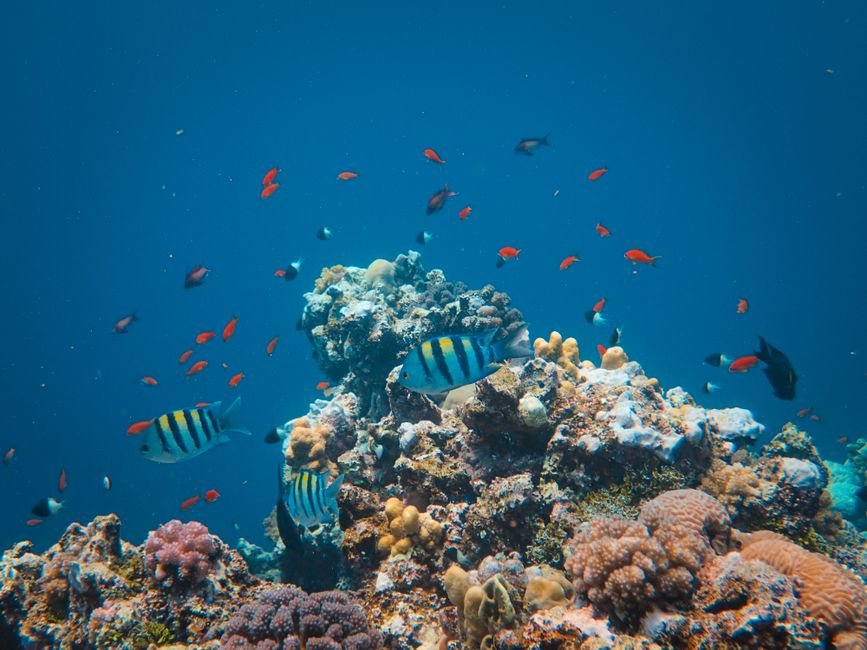
1. Palolem Beach (Calmer, Beginner-First Water)
Palolem is one of the easiest South Goa beaches to orient yourself around, and it’s a common starting point for people learning to snorkel. For beginners, the key advantage is that you can take your time: you’re not forced into deeper water immediately, and you can practise staying calm while keeping your breathing steady.
When you’re doing an intro session, look for shallow zones near the shoreline and avoid standing in areas where waves repeatedly surge over rocks. If you’re snorkelling rather than scuba, aim for a route where you can easily return to the beach without fighting current.
Location: Palolem, Canacona, Goa
2. Butterfly Beach (Shore Access With Great Vibes)
Butterfly Beach (near Palolem) is known for its scenic setting, but what matters for beginners is that it can offer a more protected feel than some open stretches. If your operator takes you here for a low-key session, it’s often because the area can be more manageable for learning safe entry and staying close to guidance.
That said, access is partly over land paths, so bring a small water-friendly bag for essentials. For your first day, keep expectations realistic: focus on breathing control, gentle kicks, and staying within the comfort bubble your instructor sets.
Location: Butterfly Beach (near Palolem), Canacona, Goa
3. Agonda Beach (Long Stretch, Easy Practice)
Agonda’s wide, slower pace makes it a solid pick for first-timers who want a less “touristy” rhythm while learning underwater basics. You can typically spend more time at the surface and practise mask comfort and calm movement before any deeper exploration.
If you’re booking an intro dive or snorkel session, ask your instructor to choose the shallower start point first. Beginners progress faster when the goal is “controlled and comfortable”, not “go far”.
Location: Agonda, Canacona, Goa
4. Cabo de Rama (Cliff-Coast Scenery for Guided Sessions)
Cabo de Rama is a dramatic headland area in South Goa, and the coastline naturally creates pockets that instructors may use for guided beginner sessions depending on conditions. The scenery is part of the appeal, but for beginners the real value is learning how to handle changing depth near rocky edges with proper supervision.
For safety, always follow the entry guidance given for that specific day. Beginners should avoid trying to “pick their own route” along rocky stretches—choose the path that your instructor marks out.
Location: Cabo de Rama, Quepem, Goa
5. Benaulim Beach (Comfortable South-Coast Base)
Benaulim is a convenient South Goa base with a calmer holiday feel and plenty of services nearby. For beginner-oriented sessions, it’s useful because you’re close to easy land access—meaning you can focus on learning, not logistics.
If you’re snorkelling, keep the session near a known point of return and don’t chase swimmers. For scuba intro work, confirm expected depth and duration before you start so your first experience stays comfortable.
Location: Benaulim, Salcete, Goa
6. Varca Beach (Good for Shallow-First Exploration)
Varca is a longer stretch of sand that many travellers use as a beach day base. For beginners, it can be a practical choice because it’s easy to find a calm start zone and then decide how much time you want at the surface.
As with any South Goa beach, conditions change by day. Your best move is to do a short, guided surface warm-up—then continue only if you’re feeling relaxed with your mask and breathing.
Location: Varca, Salcete, Goa
7. Colva Beach (Access-Friendly Learning Area)
Colva sits in South Goa’s Salcete region and is well known for easy beach access and day-to-day convenience. For beginners, that accessibility helps: you can arrive early, get briefed properly, and avoid rushing when you’re learning basic skills.
If you’re booking an intro session, ask the instructor what “success” looks like for day one. Typically it’s about comfort with equipment and controlled breathing—not depth.
Location: Colva, Salcete, Goa
8. Majorda Beach (Leaner, Beginner-Calm Potential)
Majorda is another Salcete beach that can work nicely for beginner planning because it’s straightforward to reach and offers space for a calm start. Beginners do better when there’s enough room to keep your movements slow and predictable.
Keep your expectations aligned with your current level: plan your session as a practice day for calm buoyancy at shallow depths (or surface time if you’re snorkelling). Ask for a simple skill checklist before you begin.
Location: Majorda, Salcete, Goa
9. Cavelossim Beach (Wide Shore, Calm Sessions When Conditions Fit)
Cavelossim is a solid South Goa option if you want a wide shoreline and a less hectic feel than some higher-traffic pockets. For beginners, wide access means you can choose a safer, calmer start zone and keep your return simple.
Since scuba and snorkelling conditions depend heavily on wind and swell, confirm same-day with your instructor. When conditions are favourable, beginners often enjoy the straightforward “in and out” nature of sessions along sandy approaches.
Location: Cavelossim, Salcete, Goa
10. Galgibaga Beach (For Beginners Who Want Nature, Not Speed)
Galgibaga is further south in Canacona and is known for its natural setting. For beginners, it’s appealing when your goal is a relaxed, observation-first underwater experience (usually snorkelling or very shallow guided work depending on the day).
Because this is a nature-focused area, keep your gear tidy and your impact low. If you’re learning, you’ll also benefit from staying close to your instructor’s marked area—no “venturing out” on your own.
Location: Galgibaga, Canacona, Goa
What to Book (Beginner Certification, Intro Dives & Timing)

1) Choose your goal: snorkel vs scuba
- If you’re brand new and anxious: book a guided snorkel session first, or an intro/try-dive if available through a certified training setup. This helps you get comfortable with mask, breathing, and staying relaxed.
- If you want to dive beyond the surface: book a beginner scuba certification course (often called Open Water level). That training is structured over multiple sessions so you don’t need to “figure it out” mid-water.
2) Book around conditions, not just dates
For South Goa diving, conditions can change even within the best months. When you’re booking, aim to travel with some flexibility for rescheduling.
Practical booking approach:
- If you’re doing certification, schedule the course across multiple days (so one rougher morning doesn’t ruin everything).
- If you’re doing a try-dive, keep at least one backup slot.
3) Confirm what’s included (before you pay)
Ask your instructor or operator these basics:
- Max depth you’ll be working at on day one (for beginners it’s usually shallow and controlled)
- Equipment rental (mask, fins, BCD, regulator, wetsuit)
- Water entry type (shore entry vs boat entry)
- Safety briefing style (how drills are taught, how buddy rules are explained)
- Cancellation or weather policy for wind/swell
If you prefer using an online platform to check schedules, you can shortlist options on Klook and then confirm the training details directly with the dive provider.
4) Training basics you should know (so you don’t feel lost)
Beginner scuba training is mostly about comfort and control. Expect to learn:
- Mask equalisation (how to clear without panic)
- Regulator breathing (slow, steady breaths)
- Buoyancy basics (hovering without kicking up sediment)
- Controlled ascents and descents (as guided)
- Emergency drills in a calm, instructor-led way
Health note (important): if you have ear/sinus issues, diving can be uncomfortable. Ask a medical professional if you’re unsure, and disclose relevant history to your instructor.
5) What to pack (the stuff beginners forget)
- Rashguard/wetsuit-friendly clothing and a quick-dry towel
- Sunscreen that’s snorkel/scuba-friendly (reapply for long sessions)
- A light waterproof bag for documents
- Any personal eyewear needs (some people use dive-ready lenses—only if you’ve practised)
- A sense of patience: you’ll learn faster when you slow down
Cherry on the cake: book your first water session early in your trip so you’re not rushing after a long travel day.
How to Choose Sites Near South Goa (Without Overthinking)
If you’re a beginner, you don’t need the “perfect” site—you need a site that matches your comfort level on that day.
Use this checklist when selecting a spot:
- Shelter over hype: Prefer areas where conditions look calmer (less splashy impact at the shoreline usually means more manageable water).
- Shallow-first approach: Choose spots that allow easy surface orientation and a clear return path.
- Avoid guessing with rocky exits: Beginners should follow the marked entry/exit route your instructor selects.
- Tide and timing: Ask what tide they’re working with; if they don’t know the plan, choose another provider.
- Water clarity varies: Don’t judge the experience only by “green” water on one day. Training is about comfort and control first.
- Match the dive plan to the level: If a site or plan requires you to rush, it’s not beginner-friendly.
Finally, remember this mindset shift: the first goal is to enjoy being underwater while staying relaxed and safe. Colourful sea life is a bonus—confidence comes first.
Frequently Asked Questions
Is South Goa good for beginner diving?
Yes—especially in the calmer months (typically November to March). Just book with a certified training setup and prioritise shallow, guided sessions.
Which is better for first-timers: snorkelling or scuba try-dives?
Snorkelling is the easiest comfort step. If you want to scuba dive, a try-dive or an introductory programme is a good bridge before full certification.
When should I book my dives in South Goa?
For the best odds, book for November to March and schedule beginners’ sessions for mornings. Keep at least one backup slot in case of changing sea conditions.
What certification should beginners do in Goa?
Look for an Open Water level course or a structured beginner scuba programme that includes equipment training and shallow skill development over multiple sessions.
What should I pack for a first dive?
Bring quick-dry essentials (towel, water-friendly bag), suitable swimwear or rash guard, and sunscreen. Your instructor typically provides scuba gear if you’re booking training.
Can I dive if I have ear or sinus problems?
Diving can be uncomfortable if you have issues with equalisation. Disclose your condition to the instructor and consider medical advice before booking.