
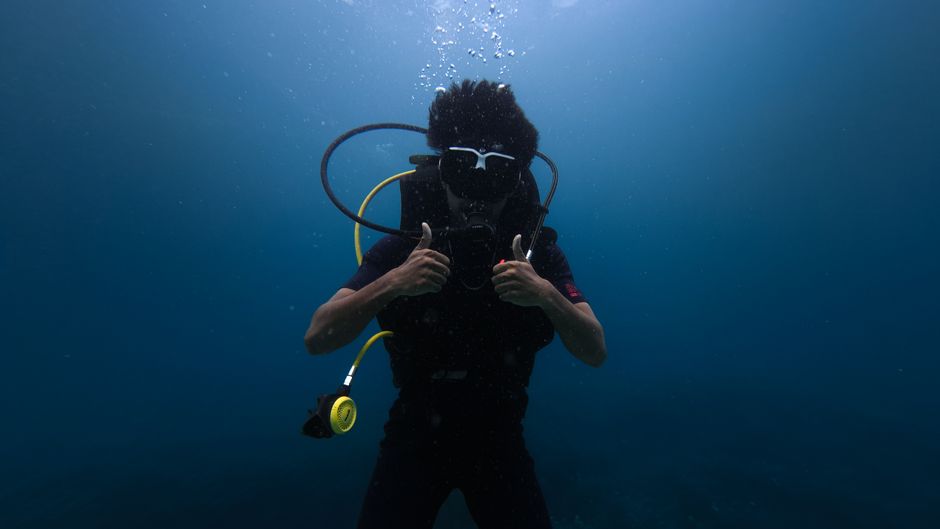
Goa isn’t just about beaches and sunsets—when the water is clear and the seas are manageable, it becomes a fun (and surprisingly approachable) scuba destination.
This guide covers the best-known dive areas you’re likely to hear from local dive operators, the October-to-May season you should plan around, what a first scuba dive typically involves, and the safety checks that keep the experience relaxing.
Best Time for Scuba Diving in Goa (October to May)
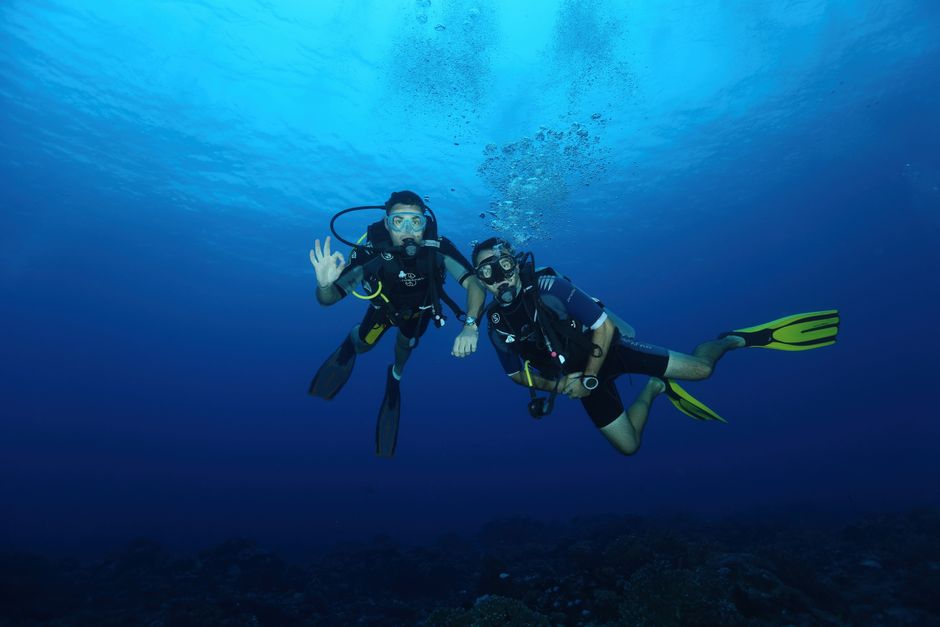
What the season means in practice
- October to December: Often good for getting comfortable in the water. You’ll usually still have plenty of warm days on the surface, and dive operators can schedule trips without too much disruption.
- January to March: This is the stretch many divers aim for—cooler air, steady planning, and a higher chance of clear water.
- April to May: Warmer months. Seas can still be workable, but some days are busier (and you may see more variability in water clarity).
When not to plan “first dives”
Monsoon conditions (roughly June to September) can bring rougher seas and reduced schedules. If you’re visiting in that window, it’s smarter to keep your plans flexible and focus on training that can be moved around (or wait for conditions to settle).
Water comfort and gear basics
Even when the sea is warm, you’ll be in a wetsuit or suit system for buoyancy and comfort. For first-timers, the bigger factors are usually fit, comfort with mask/regulator breathing, and breathing control—not “toughing it out”.
Best Dive Spots in North Goa

1. Grande Island (Island Reef Dives)
Grande Island is one of Goa’s best-known diving areas, especially for snorkelling and scuba trips run by established centres. It’s popular because divers can typically expect a mix of underwater life and reef scenery, with routes planned around currents and dive depth.
For a first dive, you’ll usually be looking at a supervised, controlled experience—more about comfort, buoyancy, and breathing rhythm than about rushing to deeper areas.
Location: Grande Island, near Vasco da Gama (Mormugao), Goa
2. Corjuem Island (Calm-Water Dive Options)
Corjuem Island (near Ribandar side) is another commonly referenced underwater destination in Goa. Operators often plan dives based on tide and sea state, aiming for conditions that feel manageable for different comfort levels.
If you’re doing a try dive, the appeal here is that dives can be structured to focus on technique and safety—mask clearing, regulator recovery, and maintaining buoyancy—before you start exploring more confidently.
Location: Corjuem Island, near Ribandar, Goa
3. Aguada (Aguada Fort Coast)
Aguada is a practical North Goa starting point for coastal water sessions. While the exact dive plan depends on the operator and day conditions, this stretch of water is often used because it’s accessible and offers straightforward logistics for getting students into the water quickly.
For first-timers, what matters most is how well the centre runs the pre-dive briefing—good instruction and calm pacing can make even a short session feel smooth.
Location: Aguada, Goa
4. Sinquerim Beach (Shallow Training Zones)
Sinquerim Beach is close to popular beaches and is a common reference point when dive centres talk about sheltered coastal conditions. It’s especially useful if you want a day that mixes beach time with a structured first dive.
Expect your experience to revolve around fundamentals: breathing through the regulator, slow movements underwater, and controlled descents and ascents.
Location: Sinquerim, Goa
5. Candolim Beach (Beginner-Friendly Coastal Access)
Candolim gives another convenient coastal base for short dive sessions and training-style experiences, particularly when operators prefer calmer, shallower areas for early lessons.
If your goal is your first “real” scuba moment, this is exactly the kind of environment where you can practise buoyancy and comfortable equalisation without feeling rushed.
Location: Candolim, Goa
6. Calangute Beach (Easy Day Planning)
Calangute is well set up for visitors, which makes it a practical option for diving days. Operators frequently choose working areas based on the day’s sea conditions, but Calangute is often used because it’s easy to reach and plan around.
It’s a good area to start if you want your scuba day to fit into a typical beach holiday schedule—just be sure your dive centre leads with a thorough safety and equipment briefing.
Location: Calangute, Goa
Best Dive Spots in South Goa
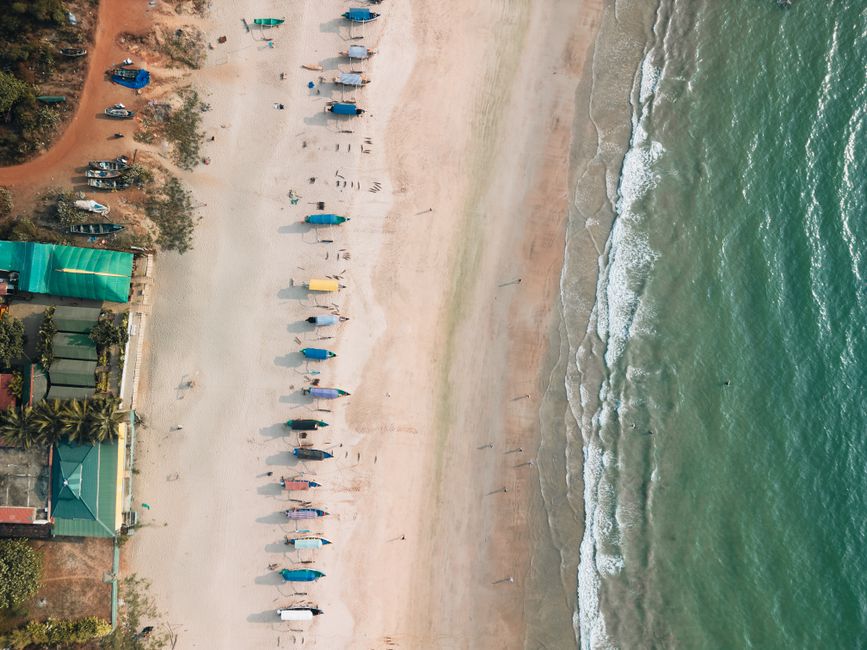
7. Bogmalo Beach (Airport-Adjacent Dive Access)
Bogmalo is a useful South Goa option because it’s close to the airport route and commonly referenced for water-based activities. For scuba, this often translates into simpler start times and quick transitions between briefing and getting into the water.
For beginners, that convenience matters. When you’re learning buoyancy and equalisation, less time spent in logistics can make the whole day feel calmer.
Location: Bogmalo, Goa
8. Palolem Beach (South Goa Water Sports Hub)
Palolem is one of the most recognisable beach names in South Goa, and it’s also known as a base for water sports. Many visitors who want a laid-back holiday choose Palolem because it’s easy to combine with a short supervised dive session.
Keep expectations aligned with your experience level: for your first dive, focus on breathing control, staying neutral in the water, and following the buddy and instructor cues rather than “chasing” the best underwater moments.
Location: Palolem, Goa
What a First Scuba Dive In Goa Involves (and Safety Checks)
If it’s your first time, plan for it to feel like learning a new routine—not like “freestyle swimming”. A good first dive is usually structured, slow, and confidence-building.
What your first scuba dive typically looks like
- Booking and pre-dive briefing: You’ll cover how to use the regulator, what to do if you lose your mask, and how to communicate underwater.
- Medical and comfort check: Most centres will ask about basic health factors (especially anything that affects breathing, heart conditions, or recent illness). If you’re unsure, ask before you go out.
- Gear fitting: Expect help with your mask fit, regulator setup, BCD buoyancy control, and suit/weight distribution.
- On-land practice: Often includes clearing your mask (gentle “practice”), breathing with the regulator, and understanding ascent/descent cues.
- In-water skills: Usually a short sequence: buoyancy control, slow breathing, and learning how to recover calm after adjusting equipment.
- The dive itself: Depending on you and sea conditions, the dive is typically kept within a beginner-friendly depth window, with lots of attention on comfort and safe return.
- Debrief after: You’ll get feedback and recommendations—many centres suggest what to practise next if you plan to continue training.
Safety checklist you can use on the day
These are practical checks that help you feel confident without being technical.
- Choose a certified, instructor-led centre: Ask what training standard they follow (for example, PADI or SSI) and whether staff are certified for supervision and equipment handling.
- Confirm equipment condition: Before entering the water, check that your tank/regulator/BCD are set up properly and that the mask seals comfortably.
- Do not ignore equalisation: If you feel pressure in your ears, tell your instructor immediately. Trying to “push through” is not the move.
- Follow the buddy and depth plan: Your instructor sets depth/time limits—sticking to them is a key part of safe scuba.
- Understand the ascent rule: In scuba, safe ascent is controlled. If you’re told to ascend slowly and not rush up, that’s for a reason.
- Weather and sea state matter: If the sea is rough or visibility is poor, a reputable centre adapts. A smooth day is safer than forcing a risky schedule.
Comfort tips for first-timers
- Practise slow breathing: You don’t need fast breathing; slow, steady breathing helps you stay neutral and calm.
- Move gently: Heavy finning and sudden movements can make buoyancy unstable.
- Plan your day around it: If you can, avoid overloading your schedule right before the dive—fatigue can make learning harder.
- Use a route you can reach easily: If you’re based around Panaji or North Goa beaches, plan your transfer time so you’re not stressed when the briefing starts. (North Goa beach areas can be a practical base; Bogmalo is often convenient for South Goa itineraries.)
If you want a quick way to compare “try dive / beginner scuba” options before you arrive, you can also check lists via Viator—then confirm everything with the dive centre directly.
Frequently Asked Questions
Is scuba diving in Goa beginner-friendly?
Yes—many dive centres run supervised try dives focused on breathing, buoyancy, and basic skills in shallow, controlled conditions.
What’s the best time to go scuba diving in Goa?
October to May is the usual sweet spot, with steadier conditions for diving compared to the monsoon period.
What should I do if it’s my first dive and I feel nervous?
Tell your instructor immediately. Good centres keep the pace slow, run extra practice underwater, and prioritise comfort and safety.
What safety gear or checks should I expect?
Mask and regulator fit, buoyancy control via the BCD, clear briefing on emergency procedures, and an instructor-led dive plan with buddy oversight.
Can I scuba dive if I don’t have a certification?
Many centres offer beginner experiences for non-certified visitors, but you’ll still need to complete the required briefing and demonstrate basic readiness in water.
Do I need to be able to swim really well?
You don’t need to be an advanced swimmer, but you should be comfortable in the water and able to follow instructions while wearing scuba equipment.